
Beautiful Plants For Your Interior
Beautiful Plants For Your Interior
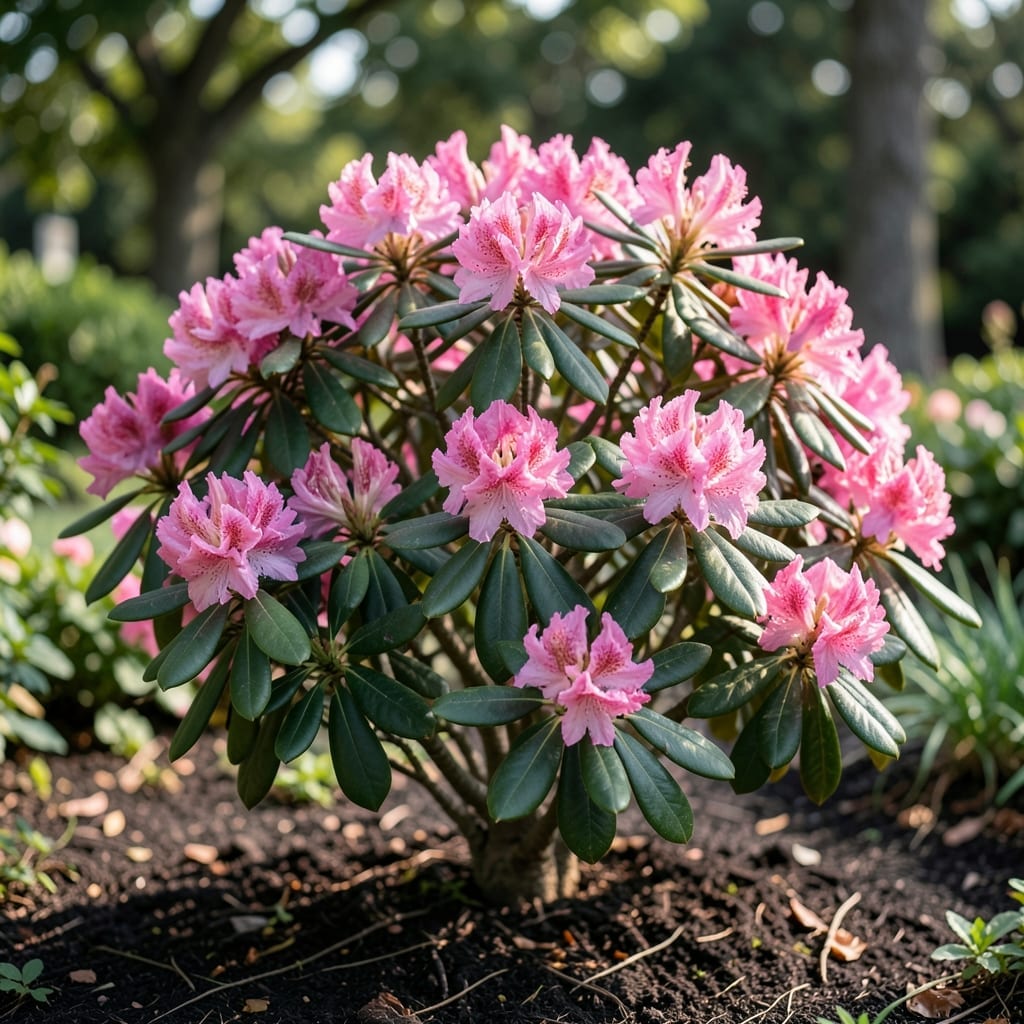
The Fort Bragg Botanical Garden showcases native North Carolina plants, walking trails, and educational exhibits in a serene outdoor setting perfect for nature lovers.
This living museum plays a vital role in preserving the region’s biodiversity, offering visitors a chance to see rare species up close while learning about their ecological importance. I appreciate how the space balances education with relaxation, making it ideal for families, photographers, and anyone seeking a peaceful escape. 🌟
The interpretive signage and seasonal blooms add layers of discovery to every visit, ensuring there’s always something new to explore. 💫
💡 In This Article
The garden’s 600+ native species represent North Carolina’s diverse ecosystems, from coastal plains to piedmont forests. You’ll find rare endemics like the Venus flytrap in carefully recreated bog habitats, alongside towering longleaf pines that define the Sandhills region. Each plant is meticulously labeled with both scientific and common names.
What makes this collection scientifically valuable is its focus on genetic preservation. The garden maintains seed banks for 200+ threatened species, including the federally endangered Michaux’s sumac. This ensures genetic diversity persists even if wild populations decline due to habitat loss or climate shifts. 🌟
The layout follows ecological zones, so as you walk the 3-mile trail system, you transition through distinct plant communities. The wiregrass savanna section, for example, features fire-adapted species that rely on controlled burns every 2-3 years to maintain their life cycles.
Seasonal rotations mean spring brings bloodroot and trillium blooms, while fall highlights witch hazel and sourwood with their vibrant foliage. The garden’s phenology records (tracking bloom times) provide critical data for studying climate change impacts on native flora. ✨
Educational displays explain how these plants support local wildlife. The butterfly garden section, for instance, hosts 12 native milkweed species that serve as host plants for monarch butterflies during their migration through North Carolina.
Yes, leashed pets are welcome on most trails, but they’re not permitted in the butterfly garden or sensitive habitat areas. Always clean up after your pet to protect the native plants.
Free parking is available in the main lot near the visitor center. Overflow parking is provided during peak seasons or special events. Arrive early for the best spots.
No reservations are required for the regular 90-minute tours on Saturdays. However, private group tours should be scheduled at least 2 weeks ahead through the visitor center.
Essentials include water, sunscreen, and comfortable walking shoes. A hat and camera are also recommended. Benches are available every 500 feet for resting.