
Beautiful Plants For Your Interior
Beautiful Plants For Your Interior
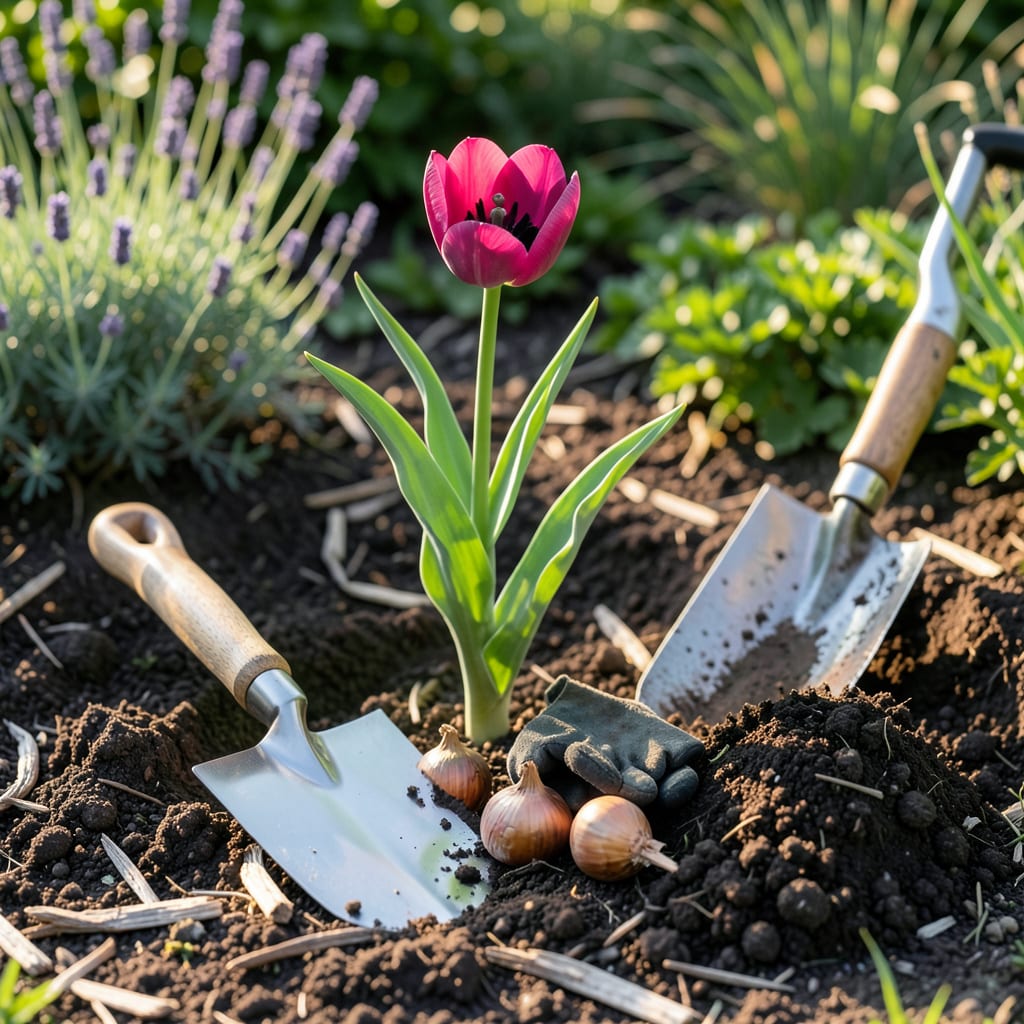
There’s nothing quite like the sight of vibrant 🌷 tulips bursting into bloom after a long North Carolina winter—but timing your planting wrong could leave you with lackluster results. I’ve seen too many gardeners miss their window and end up with sad, sprouting bulbs in February.
The difference between a stunning spring display and a flop often comes down to just a few weeks in fall. Whether you’re in the Piedmont or along the coast, I’ll show you exactly when to get those bulbs in the ground—and why it matters more than you think.
If you’ve ever wondered why your neighbor’s tulips bloom like clockwork while yours fizzle, the secret often lies in when and where you plant. North Carolina’s diverse climate—spanning USDA zones 6a to 8b—means what works in Asheville won’t cut it in Wilmington. Let’s break down the perfect planting windows.
In the Piedmont region (think Raleigh, Charlotte, or Greensboro), aim for mid-October to early December. The goal? Get bulbs in the ground 6–8 weeks before the first hard frost, when soil temps dip below 60°F. Coastal gardeners, you’ve got more wiggle room—late November to early January works thanks to milder winters.
| Region | USDA Zones | Planting Window | Soil Temp Threshold | First Frost Date |
|---|---|---|---|---|
| Mountains (Asheville, Boone) | 6a–7a | Early Oct–Mid Nov | Below 55°F | Oct 1–15 |
| Piedmont (Raleigh, Charlotte) | 7b–8a | Mid Oct–Early Dec | Below 60°F | Oct 15–30 |
| Coastal Plain (Wilmington, Outer Banks) | 8a–8b | Late Nov–Early Jan | Below 65°F | Nov 15–Dec 1 |
Pro Tip: Use a soil thermometer to check temps at 6″ depth—where bulbs reside!
Why does timing matter so much? Tulip bulbs need 12–16 weeks of chilling (below 40°F) to trigger spring blooms. Plant too early in warm soil, and you’ll get sprouts before winter—a death sentence for tender growth. Too late? Bulbs won’t root properly before the ground freezes.
For mountain gardeners, elevation is your wild card. Higher altitudes (above 2,000 ft) mean cooler temps and earlier frosts. If you’re in Boone or Blowing Rock, lean toward the early October side of the window. Unsure? Check your local frost dates via the NC State Extension tool.
Coastal folks, your sandy soil warms up faster in spring but also drains quickly. If you plant in January, add a 2–3 inch mulch layer (straw or shredded leaves) to insulate bulbs. Piedmont gardeners, your clay-heavy soil holds moisture—so amend with compost to prevent rot.
What if you miss the window? Don’t panic! You can still plant bulbs in late December or January—just pre-chill them in the fridge for 6–8 weeks first. Wrap bulbs in a paper bag (no fruit nearby—ethylene gas ruins them!) and store at 35–45°F.
Ever noticed how Dutch tulip farms use refrigeration? That’s your backup plan! For example, I once planted ‘Apeldoorn’ tulips in late January after chilling—they bloomed beautifully by April. Just avoid planting during a hard freeze; wait for a thaw.
Remember, tulips are perennials in theory but often act like annuals in NC’s heat. For reliable reblooming, stick to species tulips (like Tulipa clusiana) or treat hybrids as annuals. Pair them with daffodils or alliums for a layered spring show.
Still unsure? Here’s my foolproof rule: If the nighttime temps consistently hit 50°F or lower, it’s go time. Grab your trowel, some bone meal for root growth, and get planting—your spring self will thank you! 🌷
Even with perfect timing, small errors can sabotage your tulip display. I’ve seen gardeners in Raleigh and Wilmington make the same preventable mistakes—often without realizing it. Let’s tackle the top five pitfalls so your bulbs thrive, not just survive.
The biggest offender? Planting too shallow. Tulip bulbs need 6–8 inches of soil above them to protect against temperature swings. Skimp on depth, and you’ll get frost-heaved bulbs or weak stems. Coastal gardeners, your sandy soil makes this worse—dig deeper!
🚫 Mistake: Ignoring drainage. Clay-heavy Piedmont soil + tulips = rotten bulbs.
✅ Fix: Amend beds with compost or perlite (50/50 mix). Test drainage by digging a 12″ hole—water should drain in 1–2 hours.
🌡️ Pro Tip: Raise beds 3–4 inches in low-lying areas to improve airflow.
Another silent killer: Skipping the chill. Warm-winter zones (hello, Coastal NC!) often lack enough cold hours for bulbs to set blooms. If your tulips sprout leaves but no flowers, they’re under-chilled. Pre-chill bulbs in the fridge for 6–8 weeks before planting.
Overwatering ranks third on my list. Tulips hate soggy feet, especially in winter. Water once after planting, then hold off unless you hit a 3-week drought. Coastal gardeners, your sandy soil dries fast—check moisture at 3-inch depth before watering.
Here’s one I see in urban gardens: Poor site selection. Tulips need 6+ hours of sun, but afternoon shade helps in zone 8b. Avoid planting under evergreen trees or north-facing walls. I once lost a whole bed of ‘Parrot tulips’ to shade from a late-planted crepe myrtle!
Finally, forgetting fertilizer. Tulips are heavy feeders—they’ll bloom once without food but won’t return. Mix bone meal or 9-9-6 bulb fertilizer into the planting hole. Skip the fresh manure; it’s too nitrogen-heavy and can burn roots. A light spring feed (when shoots emerge) boosts reblooming odds.
Bonus mistake: Cutting foliage too soon. Those ugly yellow leaves? They’re feeding next year’s blooms. Wait until leaves turn brown and crispy before trimming. Braid or fold leaves if they bother you, but never remove them early!
Dodged these mistakes? You’re 90% there! Pair your tulips with daffodils (deer-resistant!) or grape hyacinths for a foolproof spring show. And remember: Even pros kill a few bulbs—it’s how we learn! 🌷
You’ve got your tulip bulbs and know when to plant—now let’s talk about where and how. The difference between meh tulips and a showstopping spring display often comes down to three things: soil prep, sunlight, and spacing. Get these right, and you’re golden. 🌷
First up: soil prep. Tulips despise soggy feet, so well-draining soil is non-negotiable. In the Piedmont’s clay-heavy soil, mix in 2–3 inches of compost or coarse sand to improve drainage. Coastal gardeners, your sandy soil drains too fast—add organic matter like peat moss or compost to retain moisture.
Pro Tip: Add a handful of bone meal to each hole for stronger roots!
Next, let’s talk sunlight. Tulips thrive in full sun, but in hotter zones (8a–8b), a bit of afternoon shade prevents scorched petals. Avoid planting under dense tree canopies or on the north side of buildings. If your garden is shady, opt for species tulips like Tulipa tarda, which tolerate partial shade.
Spacing and depth matter more than you think. Plant bulbs 4–6 inches apart for a full look, but give larger varieties (like ‘Darwin Hybrid’) extra room. Depth is critical: 6–8 inches deep ensures bulbs stay cool in summer and insulated in winter. Use a bulb planter tool for precision—or dig a trench for mass plantings.
Don’t forget companion plants! Pair tulips with daffodils (deer-resistant) or alliums (pest-repelling) for a layered look. For Piedmont gardens, add creeping phlox for early color. Coastal gardeners, try lobularia (sweet alyssum) to fill gaps as tulip foliage fades. Mulch with shredded bark to suppress weeds and retain moisture.
Finally, water wisely. After planting, give bulbs a deep soak to settle soil, then back off. Overwatering in fall leads to rot. In spring, resume watering when shoots appear—1 inch per week is plenty. Stop watering once foliage yellows post-bloom. Remember: tulips are drought-tolerant once established, but consistent moisture in fall and spring is key.
Planting too early in warm soil can cause bulbs to sprout prematurely. These early shoots are vulnerable to winter freezes, which often kills them. Aim for soil temps below 60°F—typically mid-October or later in most of NC.
Yes, but you’ll need to pre-chill bulbs in the fridge for 6–8 weeks first. Wrap them in a paper bag (away from fruit) at 35–45°F. Plant during a thaw, not a hard freeze, and add 2–3 inches of mulch for protection.
This usually means bulbs didn’t get enough chill hours (below 40°F for 12–16 weeks). In warmer zones like Coastal NC, pre-chill bulbs before planting. Poor nutrition or overcrowding can also cause this—feed with bone meal at planting time.
After planting, cover beds with 2–3 inches of straw or shredded leaves. This insulates soil and prevents frost heaving. In the Piedmont’s clay soil, add compost to improve drainage and reduce rot risk during wet winters.
Store unplanted bulbs in a cool, dry place (like a paper bag in the fridge’s crisper drawer). Avoid plastic bags—moisture causes mold. Check monthly for softness or sprouting; plant immediately if either occurs.
