
Beautiful Plants For Your Interior
Beautiful Plants For Your Interior
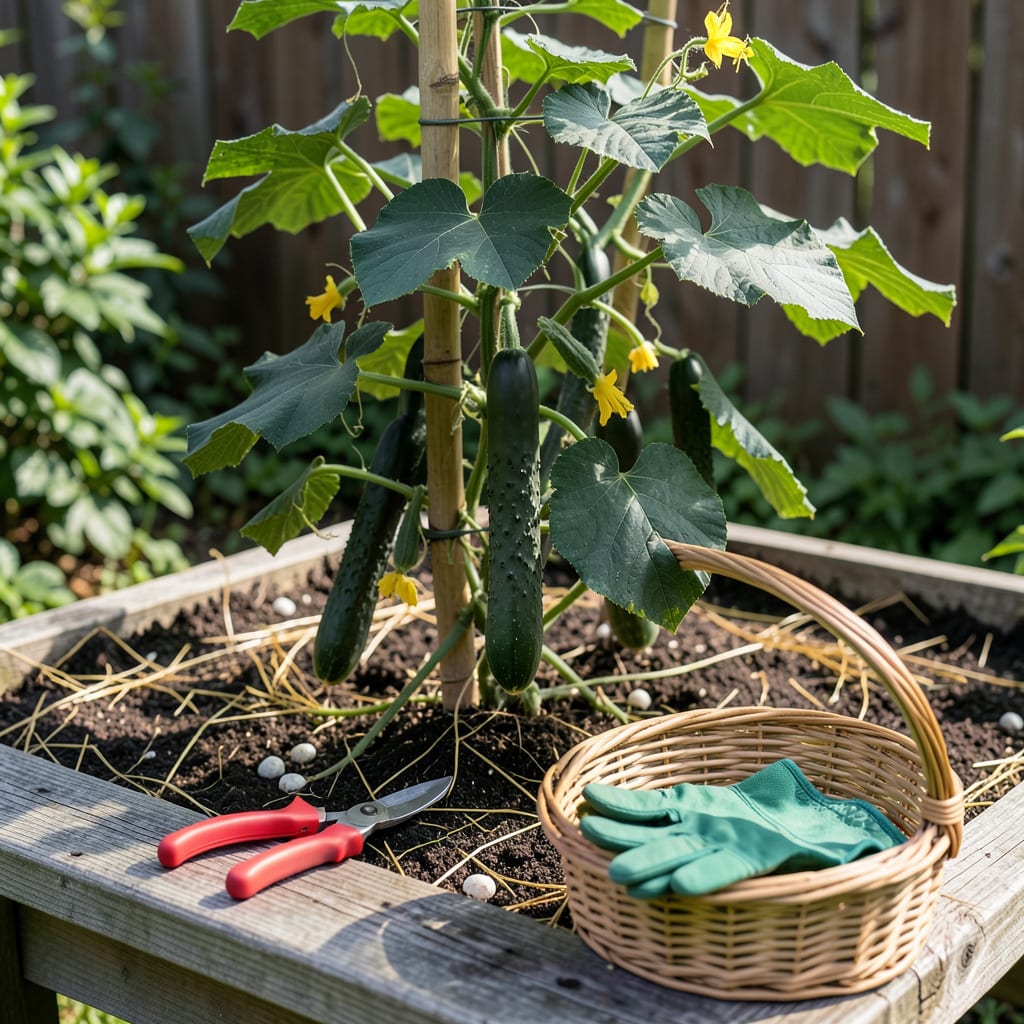
There’s nothing worse than watching your carefully grown Boston Pickling cucumbers turn into bitter, seedy disappointments—all because you missed the perfect harvest window. Those crisp, tangy pickles you dreamed of? They start with knowing exactly when to pluck them from the vine.
I’ve seen too many gardeners guess wrong, ending up with cucumbers that are either too small or overgrown. The good news? A few simple visual cues and a little timing know-how can make all the difference. Let’s break down how to get it right—every single time.


Timing is everything when it comes to Boston Pickling cucumbers. Pick them too early, and they’ll lack that signature crunch. Wait too long, and you’ll end up with bitter, seedy monsters. The sweet spot? Right when they hit 4–6 inches long and their skin glows with a deep, uniform green.
I’ve found that these cucumbers practically scream “I’m ready!” when they’re firm to the touch but still snap cleanly from the vine. If you’re unsure, give one a gentle squeeze—it should feel like a ripe avocado (but without the softness). Let’s dive into the five foolproof signs that say it’s go time.
One of the biggest mistakes I see is waiting for cucumbers to “fill out” like their slicing cousins. Boston Pickling cucumbers are meant to be harvested small—think pickle-sized, not salad-sized. If they start bulging or turning yellow, you’ve missed the window.
Here’s a pro tip: Check your vines every 2–3 days once flowers appear. These cucumbers grow fast, and a perfect specimen today could be overripe by tomorrow. I like to harvest in the early morning when temps are cool—it keeps the fruit crisp and reduces stress on the plant.
If you’re growing in containers, watch for cucumbers to mature even faster due to heat retention. In cooler climates, they might take an extra 5–7 days to reach peak ripeness. When in doubt, pick one and slice it open. The seeds should be tiny and underdeveloped—perfect for that snappy pickle texture.
Ever noticed how store-bought pickles stay crunchy? That’s because commercial growers harvest at the exact right moment. You can replicate this at home by focusing on the 4–6 inch range and that telltale glossy sheen. Overripe cucumbers turn mushy when brined, while underripe ones stay tough.
Don’t forget to use clean pruners or scissors to avoid damaging the vine. I snip the stem about ¼ inch above the fruit to prevent tearing. And here’s a bonus: Harvesting regularly encourages more production. The more you pick, the more cucumbers your plant will pump out!
If you do end up with a few overripe cucumbers, don’t toss them. They’re great for refrigerator pickles (just slice and brine them quickly) or even compost. But for those classic, crispy dill pickles? Stick to the 4–6 inch rule and you’ll nail it every time.
Finally, pay attention to the weather. A heatwave can speed up maturation, while cool spells might slow it down. Adjust your harvest schedule accordingly, and you’ll be rewarded with cucumbers that are perfect for pickling—crunchy, flavorful, and just the right size.
Knowing when to pick Boston Pickling cucumbers isn’t just about size—it’s about tracking their growth from seed to harvest. These cucumbers typically reach maturity in 50–60 days, but your climate and care routine can shift that timeline. Let me walk you through the ideal schedule.
In my experience, warmer regions see faster growth, while cooler areas may add 5–7 extra days. The key is monitoring your plants closely once flowers appear. I start checking daily when fruits hit 2–3 inches, because they’ll double in size seemingly overnight.
| Growth Stage | Timeline | Action Items |
|---|---|---|
| Germination | 7–10 days after sowing | Keep soil moist but not soggy |
| Vine Growth | 3–4 weeks after sprouting | Install trellis support when vines reach 6 inches |
| Flowering | 5–6 weeks after planting | Begin daily inspections for tiny cucumbers |
| Harvest Ready | 50–60 days total | Pick every 2–3 days at 4–6 inches |
| End of Season | Before first frost | Harvest all remaining fruits, even small ones |
I’ve found that container-grown cucumbers often mature 3–5 days faster than their in-ground counterparts due to heat retention. If you’re growing in pots, start checking for ripe cucumbers at day 45 instead of day 50. The same goes for greenhouse cultivation.
For the best continuous yield, I harvest every 2–3 days during peak season. This prevents overripe fruits from signaling the plant to stop production. I like to use clean pruners and make a sharp cut about ¼ inch above the fruit to avoid damaging the vine.
Remember that morning harvesting gives you the crispiest cucumbers. The fruits are most turgid after a cool night, which translates to better pickle texture. If you must harvest in the evening, soak them in ice water for 30 minutes to restore crispness before pickling.
If you notice your cucumbers growing slower than expected, check your watering routine—these plants need 1–1.5 inches of water weekly. Also verify they’re getting 6+ hours of sun daily. Stress from drought or shade can delay maturity by up to 2 weeks.
Finally, don’t forget that regular feeding keeps production steady. I apply a balanced 4-6-4 fertilizer every 4 weeks during the growing season. This ensures your plants have the energy to keep producing those perfect 4–6 inch pickling cucumbers all season long.
Timing your Boston Pickling cucumber harvest wrong can make or break your pickling dreams. I’ve seen gardeners end up with jars of disappointingly bitter or mushy pickles simply because they misjudged the harvest window. Let’s break down what happens when you pick too soon—or wait too long.
When you harvest underripe cucumbers (under 4 inches), you’ll get pickles that are unpleasantly tough and bitter. The seeds haven’t developed enough, and the flesh lacks that perfect crunch. I once made this mistake and ended up with pickles so hard they could’ve doubled as hockey pucks!
On the flip side, overripe cucumbers (over 6 inches) become seedy and soft. Their thick skins and large seeds make them mushy when brined. I learned this the hard way when my “just one more day” approach resulted in cucumbers better suited for compost than pickling.
Here’s my foolproof test: If your cucumber bends easily without snapping, it’s overripe. Perfect ones should be firm enough to snap cleanly when bent. For slightly overripe cucumbers, try making refrigerator pickles—they’ll be softer but still tasty.
Remember that morning harvesting gives you the crispiest results. Cucumbers picked in the heat of the day often lose turgor pressure, making them softer. If you must harvest later, plunge them in ice water for 30 minutes to restore crispness before pickling.
Finally, don’t stress if you make a mistake—even imperfect cucumbers can be salvaged. Underripe ones work well in quick pickles with extra vinegar to balance bitterness. Overripe ones can be hollowed and stuffed, or blended into cucumber gazpacho (though I’d rather see them in the compost!).
Once flowers appear, inspect your vines every 2–3 days. These cucumbers grow incredibly fast—what’s perfect today might be overripe tomorrow. Morning checks are ideal when fruits are most turgid.
Set a reminder to avoid missing the window. In hot climates, you might need daily inspections during peak season. Container-grown plants often need even more frequent checks.
Avoid harvesting wet cucumbers if possible. The moisture makes them slippery and can spread diseases. If you must, gently pat them dry with a clean towel before storing or pickling.
Morning dew is less problematic than rain. Wait until mid-morning after dew evaporates for the cleanest harvest. Always use clean tools to prevent contamination.
Place unwashed cucumbers in a perforated plastic bag in the fridge’s crisper drawer. They’ll keep for 5–7 days this way. Avoid sealing them completely—trapped moisture causes rot.
For absolute best texture, pickle within 24 hours of harvest. If you must wait, soak them in ice water for 30 minutes before pickling to restore crispness.
Soft pickles usually result from overripe cucumbers or improper brining. Always pick at 4–6 inches and use fresh, firm specimens. Adding grape leaves or alum to your brine can help maintain crunch.
Another common culprit is temperature fluctuations during fermentation. Store your jars in a cool, dark place (60–70°F) for consistent results.
