
Beautiful Plants For Your Interior
Beautiful Plants For Your Interior
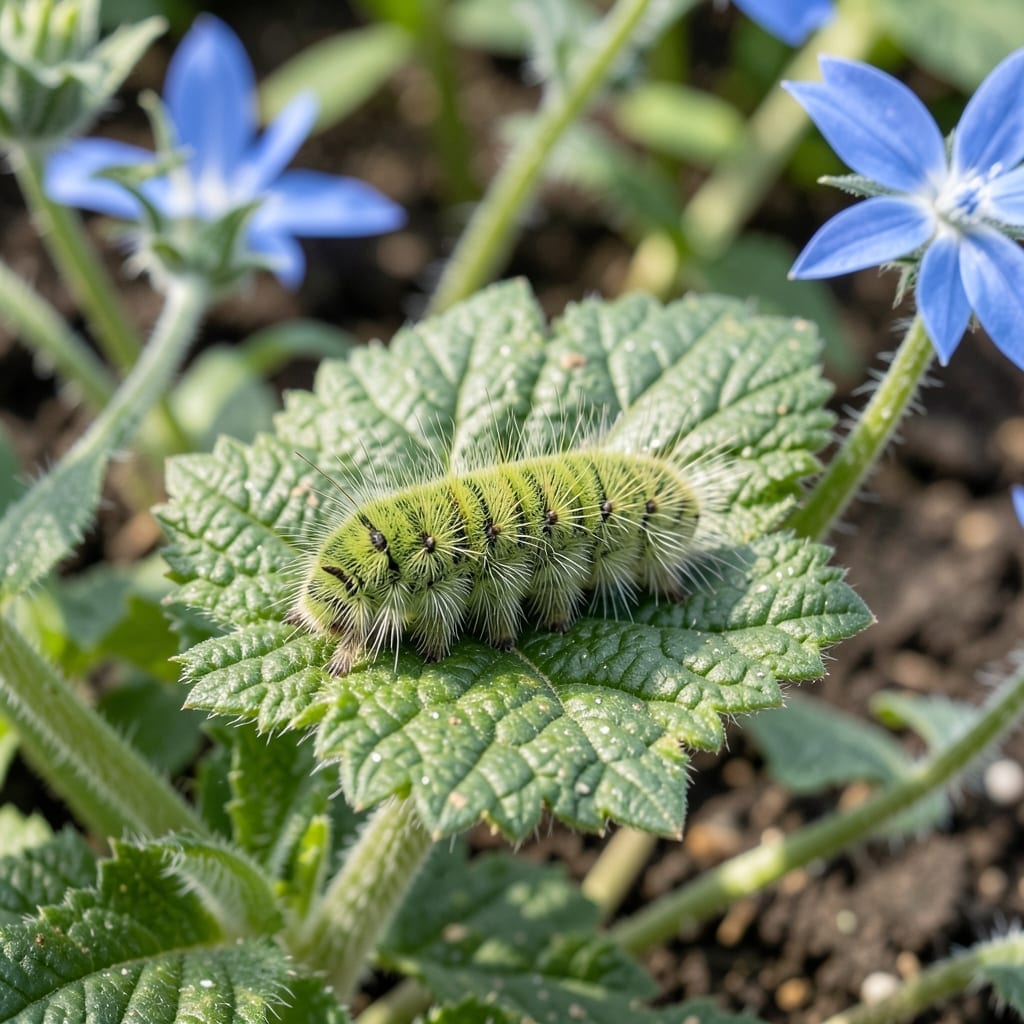
Borage is generally considered deer resistant due to its hairy leaves and stems, which most deer find unappetizing. However, hungry deer may still nibble young plants.
I’ve noticed borage’s fuzzy texture acts like a natural barrier, making it one of the few plants deer usually avoid in my garden. The coarse hairs can irritate their mouths, which is why mature plants often stay untouched. Still, I protect new growth with fencing during dry spells when deer get desperate for food. ✨
💡 In This Article
Borage’s defense starts with its physical structure. The plant’s leaves and stems are covered in coarse, stiff hairs called trichomes, measuring 1-2mm long. These hair-like structures create an unpleasant mouthfeel for deer, similar to how a wool sweater might irritate human skin. The texture acts as a first line of defense, discouraging browsing.
The chemical composition adds another layer of protection. Borage contains pyrrolizidine alkaloids, bitter compounds that deer instinctively avoid. These natural chemicals are concentrated in the foliage, making the plant taste unpalatable. Studies show deer typically reject plants with alkaloid levels above 0.1%, and borage exceeds this threshold.
The plant’s cucumber-like scent also plays a role. While humans find it refreshing, deer associate this aroma with potential toxicity. Their keen sense of smell, 14 times stronger than a human’s, allows them to detect these warning signals from several feet away. This olfactory deterrent works even before physical contact occurs.
Young borage plants are most vulnerable because their trichomes are less developed and alkaloid concentrations are lower. Mature plants produce more defensive compounds as they grow, with alkaloid levels increasing by up to 40% during the flowering stage. This explains why established borage patches often remain untouched while seedlings may get nibbled.
Environmental factors influence effectiveness too. During droughts when natural forage is scarce, deer become less selective. However, borage maintains its defenses year-round, unlike some seasonal deterrents. The combination of physical, chemical, and sensory barriers makes it one of the more reliable deer-resistant options for gardens. ✨
Deer avoid borage due to its coarse, hairy leaves and stems, which create an unpleasant mouthfeel. The plant also contains bitter compounds called pyrrolizidine alkaloids that deer instinctively dislike.
Yes, young plants have fewer defensive hairs and lower alkaloid levels. Until they mature, consider protecting them with a 3-foot tall barrier or companion planting with strongly scented herbs.
During extreme drought or food scarcity, deer may become less selective. However, borage maintains its defenses year-round, making it more reliable than seasonal deterrents.
Interplant borage with lavender, rosemary, or other aromatic herbs. Their strong scents create a layered deterrent system that keeps deer away.