
Beautiful Plants For Your Interior
Beautiful Plants For Your Interior
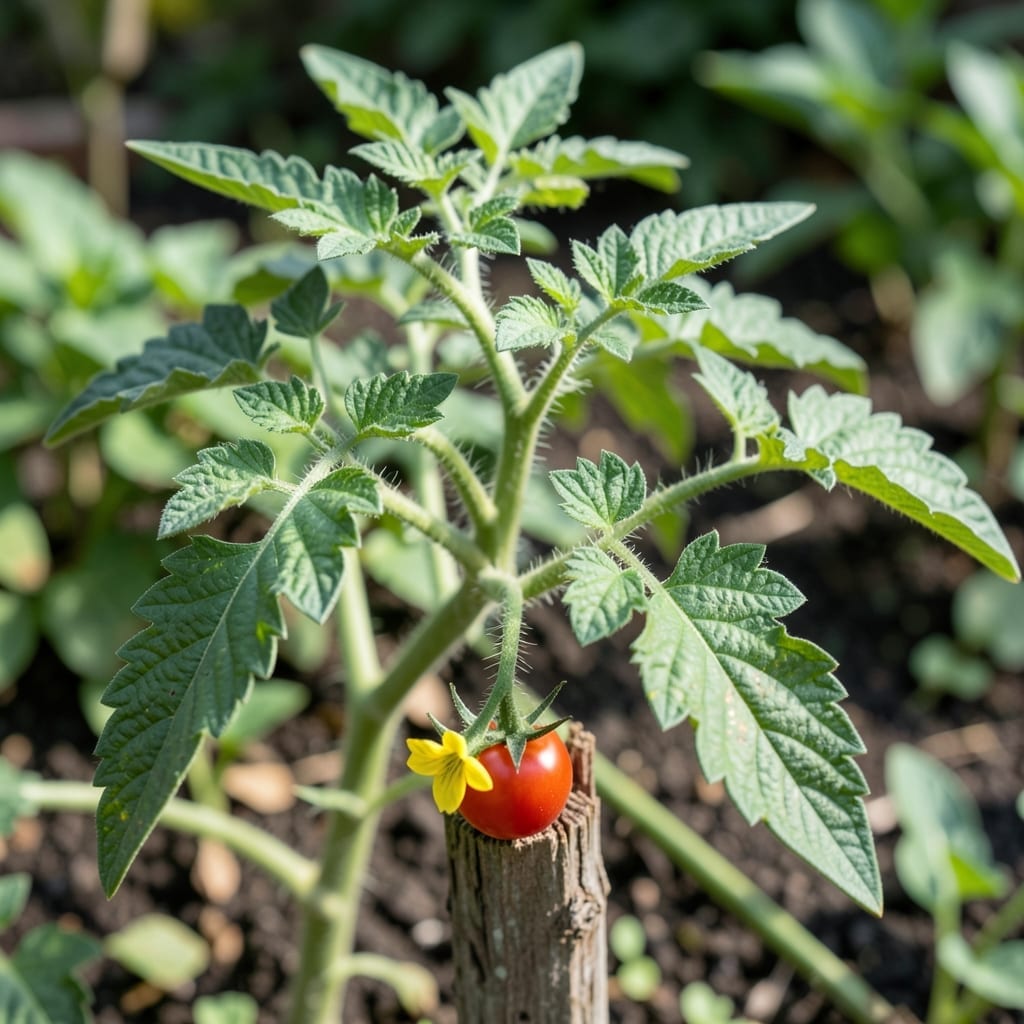
Tomato plants are not naturally deer resistant. Deer often browse young plants and ripe fruit, though strong odors from foliage may deter them temporarily. Protection is usually needed in deer-populated areas.
In my experience, deer are especially drawn to the tender new growth and sugar-rich fruit, making unprotected gardens a buffet. 🌟 The foliage’s scent might slow them down, but hungry deer will push past that minor deterrent when food is scarce. I’ve seen entire patches stripped overnight in high-traffic deer areas, which is why I always recommend proactive defense measures early in the season.
💡 In This Article
Deer gravitate toward tomato plants for their high nutritional value, particularly the young shoots and leaves, which are packed with protein and easy to digest. Studies show deer consume up to 4-6 pounds of foliage daily, and tomato plants offer a concentrated source of energy.
The tender new growth is especially appealing in early spring when alternative food sources are limited. 🔥
The fruit itself becomes a primary target as it ripens. Tomatoes contain natural sugars (fructose and glucose) that deer can detect from 50-100 feet away, drawing them in like a beacon.
Unlike mature plants with tougher stems, young tomato plants have soft tissues that require minimal chewing effort, making them an efficient food source for deer.
Seasonal patterns also play a role. During late summer and early fall, when tomatoes are at peak ripeness, deer browsing intensifies by up to 40% according to garden surveys. The foliage’s strong odor, while initially off-putting to some deer, becomes less effective as a deterrent when food scarcity increases in their habitat. ✨
Interestingly, plant maturity affects deer interest differently than you might expect. While mature tomato plants have tougher stems, their fruit becomes more aromatic as it ripens, actually increasing attractiveness. Research from Cornell University shows deer prefer plants with 15-20% sugar content in the fruit, which most ripe tomato varieties achieve.
This nutritional appeal is compounded by the plants’ accessibility. Tomato gardens are often located in open, sunny areas that deer find easy to navigate. Unlike wild plants that may have natural defenses like thorns or bitter compounds, cultivated tomato varieties have been bred for palatability, making them even more enticing to deer. 💫
Deer target young shoots first for their tender texture and high protein. Mature plants have tougher stems, but the ripe fruit becomes more appealing as sugars develop.
Install 8-foot tall fencing as deer can jump 6-8 feet easily. For small gardens, individual chicken wire cages around plants work well.
Strong-smelling plants like marigolds, lavender, or rosemary can help. Commercial sprays with putrescent eggs or hot pepper also deter them effectively.
No, motion-activated sprinklers are safe and provide dual benefits. They startle deer while watering your garden, making them a practical deterrent.