
Beautiful Plants For Your Interior
Beautiful Plants For Your Interior
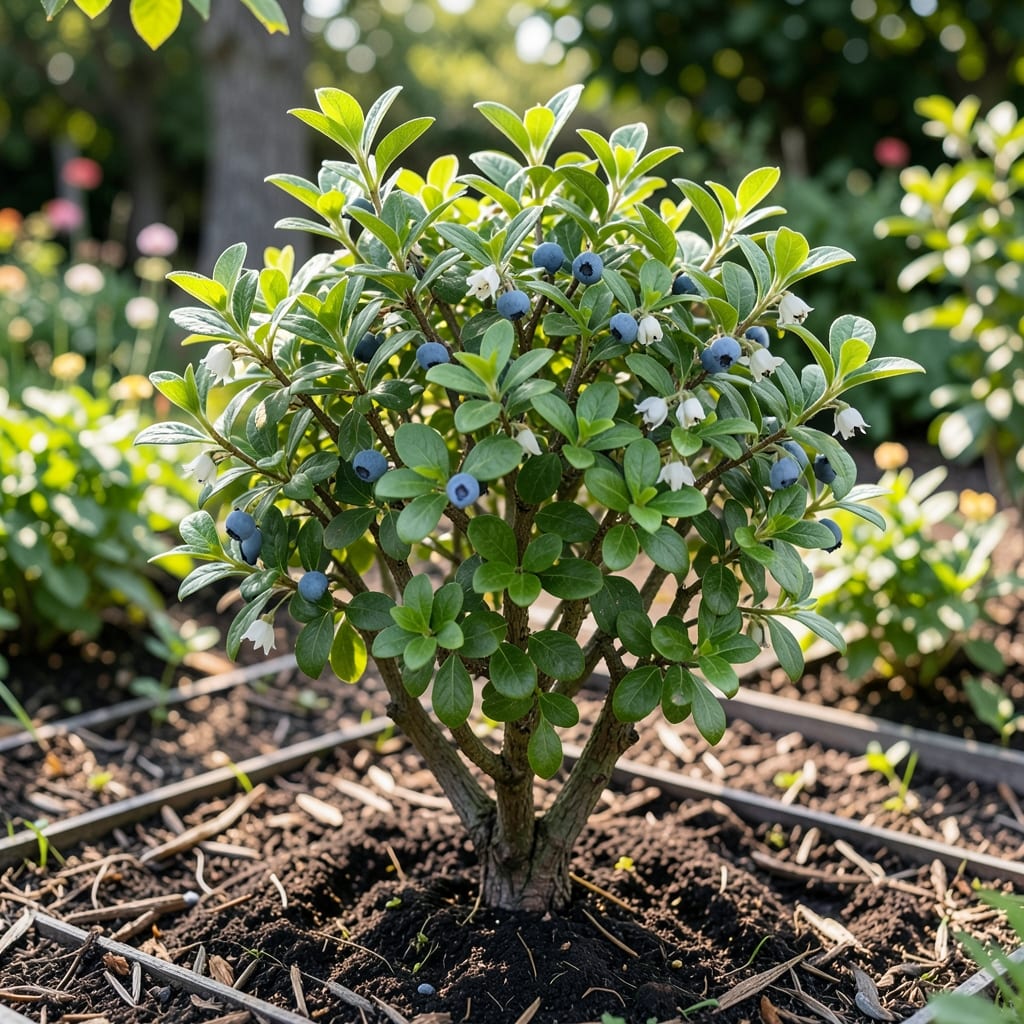
Blueberry plants thrive in USDA hardiness zones 3 through 7, with some varieties adapted to zones 8-10. Southern highbush types tolerate warmer climates, while northern highbush prefer cooler regions.
I’ve found the key to success lies in matching varieties to your local climate. 🌟 Rabbiteye blueberries, for example, excel in the heat of zones 7-9, while lowbush types are hardy down to zone 3. Always check your area’s chill hours and soil pH, as blueberries demand acidic conditions to flourish.
💡 In This Article
Blueberries need 400-800 chill hours below 45°F to break dormancy and set fruit. Northern highbush varieties require more cold, thriving where winters dip to -30°F. Southern types need fewer chill hours, often just 150-400, making them ideal for milder winters in zones 8-10.
Soil acidity is non-negotiable. Blueberries demand a pH between 4.0-5.5—far more acidic than most garden soils. In warmer zones, organic matter decomposes faster, so I amend with peanut hulls or pine bark to maintain acidity. This mimics their native forest floor conditions.
Temperature swings affect pollination. In zone 3, late frosts can damage blossoms, so I plant in sheltered spots. Zone 10’s heat may reduce fruit set, but afternoon shade and consistent irrigation help. Each variety has adapted to specific thermal patterns over generations.
Seasonal growth patterns differ dramatically. Northern plants enter dormancy early, while southern varieties may produce a second, smaller harvest in fall. This adaptation ensures survival—northern types store energy for harsh winters, while southern bushes allocate resources for extended growing seasons.
Humidity plays a subtle but critical role. High humidity in zones 7-10 can lead to fungal issues, so spacing plants 4-6 feet apart improves airflow. In drier zones 3-6, mulching with 2-3 inches of wood chips conserves moisture without waterlogging the shallow roots. 🔥
Northern highbush thrive in zones 3-7, requiring 600-800 chill hours below 45°F. They handle winters down to -30°F and produce large, sweet berries.
Yes! Choose southern highbush or rabbiteye varieties like ‘Climax’ or ‘Premier’. These need only 200-400 chill hours and tolerate heat with afternoon shade.
They require pH 4.0-5.5 to absorb iron and other nutrients. In neutral soils, they develop yellow leaves and poor growth. Amend with pine bark or peanut hulls to maintain acidity.
Space plants 4-6 feet apart for proper airflow, especially in humid zones 7-10. This prevents fungal diseases while allowing roots to spread.