
Beautiful Plants For Your Interior
Beautiful Plants For Your Interior
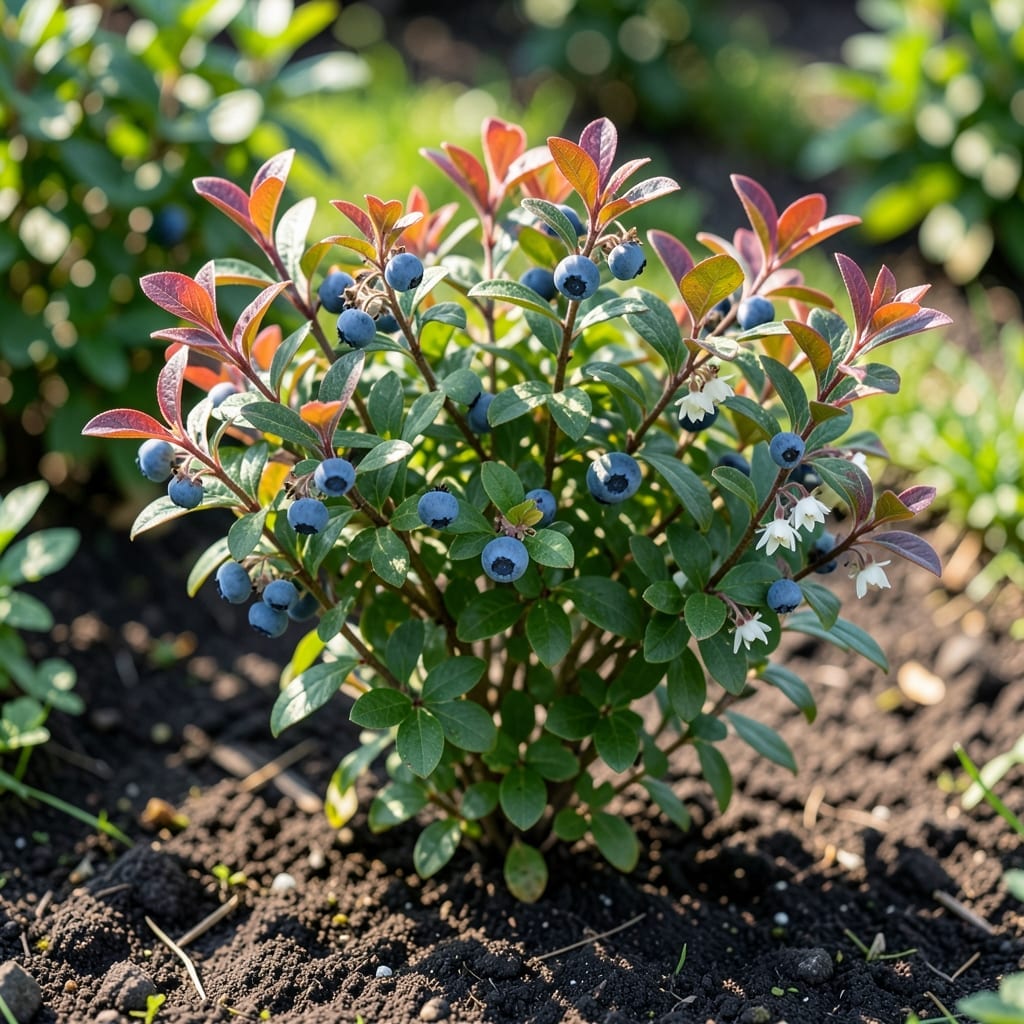
Red leaves on your blueberry bushes had me worried the first time I saw it too. Turns out it’s not always bad news—sometimes it’s just nature’s way of dressing up for fall.
But if it’s happening in spring or summer, we’re likely looking at a soil pH issue or nutrient deficiency. Blueberries need acidic soil, and when that’s off, the leaves start sending distress signals.
I fixed mine with a soil test and some amendments. The change back to green was slower than I’d hoped, but within 2 weeks the new growth looked healthier.
Simple fixes can save your plants. Here’s how to tell the difference between seasonal color and a real problem.
Blueberry plant leaves turning red isn’t always a sign of trouble—sometimes it’s just nature’s way of painting the landscape. But when it signals stress, the causes are usually tied to environmental conditions, nutrient imbalances, or pests. Here’s a breakdown of the most common culprits:
Extreme heat or cold can trigger red pigmentation (anthocyanins) in leaves as a protective response. Blueberries thrive in 60–70°F (15–21°C) during the growing season. If temperatures dip below 45°F (7°C) or spike above 85°F (29°C), the plant may produce red leaves to shield itself from damage. Cold snaps in early fall often turn leaves red prematurely.
The most likely nutrient shortages are phosphorus (P) or magnesium (Mg). Phosphorus deficiency slows energy transfer, causing red or purple hues in older leaves first. Magnesium deficiency, on the other hand, often starts with reddish-brown spots between leaf veins. A soil test (pH 4.5–5.5 is ideal for blueberries) will confirm if amendments like bone meal (for P) or Epsom salt (for Mg) are needed.
Red leaf spot (Exobasidium spp.) or anthracnose can cause irregular red patches or blotches. These fungi thrive in wet, humid conditions, especially if overhead watering leaves foliage damp. Improve air circulation, avoid evening watering, and apply copper-based fungicides preventatively in spring.
Sap-sucking pests like spider mites or aphids stress the plant, leading to reddened or bronzed leaves. Check the undersides of leaves for tiny webs, speckling, or sticky residue (honeydew). Treat with neem oil or insecticidal soap at first signs.
While blueberries love full sun, intense UV exposure (especially in containers or newly transplanted bushes) can scorch leaves, turning them red or purple. Provide afternoon shade in extreme heat, and ensure consistent moisture to help the plant cope.
If your blueberry plant’s leaves are turning red, don’t panic—most causes are fixable. Below are targeted solutions for the most common issues, along with prevention tips to keep your plant thriving.
If the reddening happens in fall, it’s likely natural. Blueberry leaves often turn red or purple as temperatures drop and chlorophyll breaks down.
Sudden cold snaps can shock the plant, causing premature reddening.
Too much or too little water can stress the plant, leading to red leaves.
Phosphorus or magnesium shortages often cause red leaves, especially in alkaline soil.
Red leaves can signal root rot or aphid infestations.
💡 Pro Tip: Always sterilize pruning tools between cuts to avoid spreading disease, and monitor new growth after treatments to confirm recovery.
Yes! Blueberry leaves naturally turn red or purple in fall as chlorophyll breaks down. This is a normal part of their seasonal cycle and doesn’t require intervention.
Use a home soil test kit from any garden center. Collect samples from 4-6 inches deep near the roots. Ideal pH for blueberries is 4.5-5.5. Amend with sulfur if too high.
First identify the cause. For nutrient issues, apply chelated iron or Epsom salt. For stress, improve watering consistency. Most plants show improvement within 2-3 weeks of treatment.
Overwatering leads to root stress and poor nutrient uptake. Let the top 1-2 inches of soil dry between waterings. Ensure your planting area has good drainage.