
Beautiful Plants For Your Interior
Beautiful Plants For Your Interior
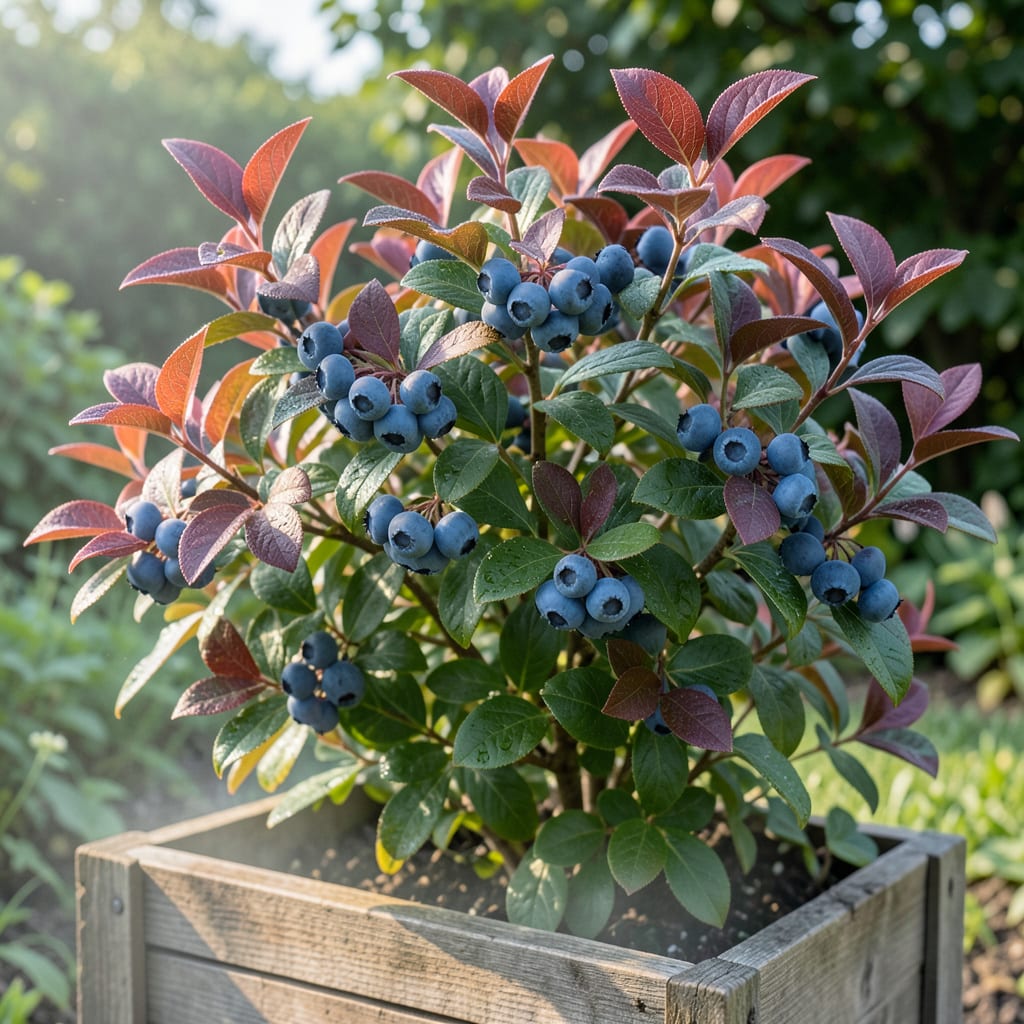
Red leaves on your blueberry bush aren’t just pretty—they’re a warning. I’ve seen this happen mid-season when soil pH drifts too high or phosphorus runs low.
Fix it fast with a soil test and targeted amendments. Most bushes bounce back in 2-3 weeks once conditions improve. The key is acting before stress turns to dieback.
📚 In This Guide
Here’s how to pinpoint the issue and restore your plants to vibrant green health.
Blueberries thrive in acidic soil (pH 4.5–5.5). Test your soil immediately—red leaves often signal iron deficiency caused by alkaline conditions. Use a home pH test kit for quick results. If the pH reads above 5.5, your plant can’t absorb iron even if it’s present.
Amend the soil with elemental sulfur or peated pine bark to lower pH. For a single bush, work in 1 cup of sulfur per 10 square feet and retest after 2-3 months. Avoid limestone or wood ash—these raise pH further and worsen the problem.
Reddish-purple leaves, especially on older growth, often indicate phosphorus deficiency. However, over-fertilizing with nitrogen can also cause reddening by disrupting nutrient uptake. Stop all fertilization immediately if you’ve recently applied a high-nitrogen product.
Use a balanced, acid-loving plant fertilizer (10-10-10 or 12-12-12) formulated for blueberries. Apply at half-strength and water deeply to flush excess salts from the root zone. You’ll see improvement in 2-4 weeks as new growth resumes its green color.
Both drought and waterlogging can trigger red leaves. Check soil moisture 2-3 inches deep—it should feel like a wrung-out sponge. If bone-dry, water deeply until the top 6 inches are moist. If soggy, improve drainage by amending with pine bark fines or creating a raised bed.
Examine roots for signs of rot (black, mushy texture) or drought stress (dry, brittle roots). Prune away any damaged roots with clean shears and adjust your watering schedule. Consistent moisture is key—blueberries have shallow roots that dry out quickly in hot weather.
Sudden temperature swings, especially late frosts or heatwaves, can cause temporary reddening. Blueberries are hardy in zones 3–7, but extreme cold (below 25°F) or heat (above 85°F) stresses the plant. Provide afternoon shade in hot climates or use frost cloth in late spring.
Herbicide drift from nearby lawn treatments is another culprit. Even small amounts of glyphosate or 2,4-D can cause red, cupped leaves. If you suspect chemical exposure, rinse the foliage with water and remove affected leaves to reduce stress on the plant.
These insights will help you diagnose and fix red leaf issues efficiently.
pH Precision: Blueberries absolutely require that pH 4.5–5.5 range mentioned in Step 1—even slightly above 5.5 can block iron uptake. I’ve seen bushes recover dramatically within weeks after adjusting soil acidity with the specified 1 cup of sulfur per 10 square feet.
Fertilizer Strategy: In Step 2, the recommendation for half-strength 10-10-10 or 12-12-12 fertilizer is critical. Over-fertilizing, especially with nitrogen-heavy products, often worsens reddening. Water deeply afterward to clear excess salts from the root zone.
Moisture Monitoring: For Step 3, check soil at 2-3 inches deep as directed—this is where blueberry roots concentrate. If the top 6 inches dry out, water thoroughly but ensure drainage to prevent root rot, which also causes red leaves.
Temperature Awareness: Step 4 highlights that blueberries stress below 25°F or above 85°F. In hot climates, afternoon shade can prevent heat-induced reddening, while frost cloth protects against late cold snaps.
Red leaves on blueberry bushes often indicate a phosphorus deficiency, cold stress, or acidic soil issues. Young leaves may turn reddish in early spring or fall, but persistent reddening could signal nutrient imbalances.
Yes! If the cause is temporary (like cold snaps or minor nutrient deficiencies), leaves may regain green color as conditions improve. Address soil pH (4.5–5.5) and fertilize with phosphorus-rich amendments.
Act quickly if reddening spreads or leaves look stunted. Test soil pH in early spring or late fall. Apply corrections (e.g., sulfur for acidity, phosphorus fertilizer) before new growth starts.
Rarely. Red leaves are usually environmental or nutritional. However, if accompanied by spots, wilting, or dieback, check for fungal diseases like anthracnose and treat with fungicide.
