
Beautiful Plants For Your Interior
Beautiful Plants For Your Interior
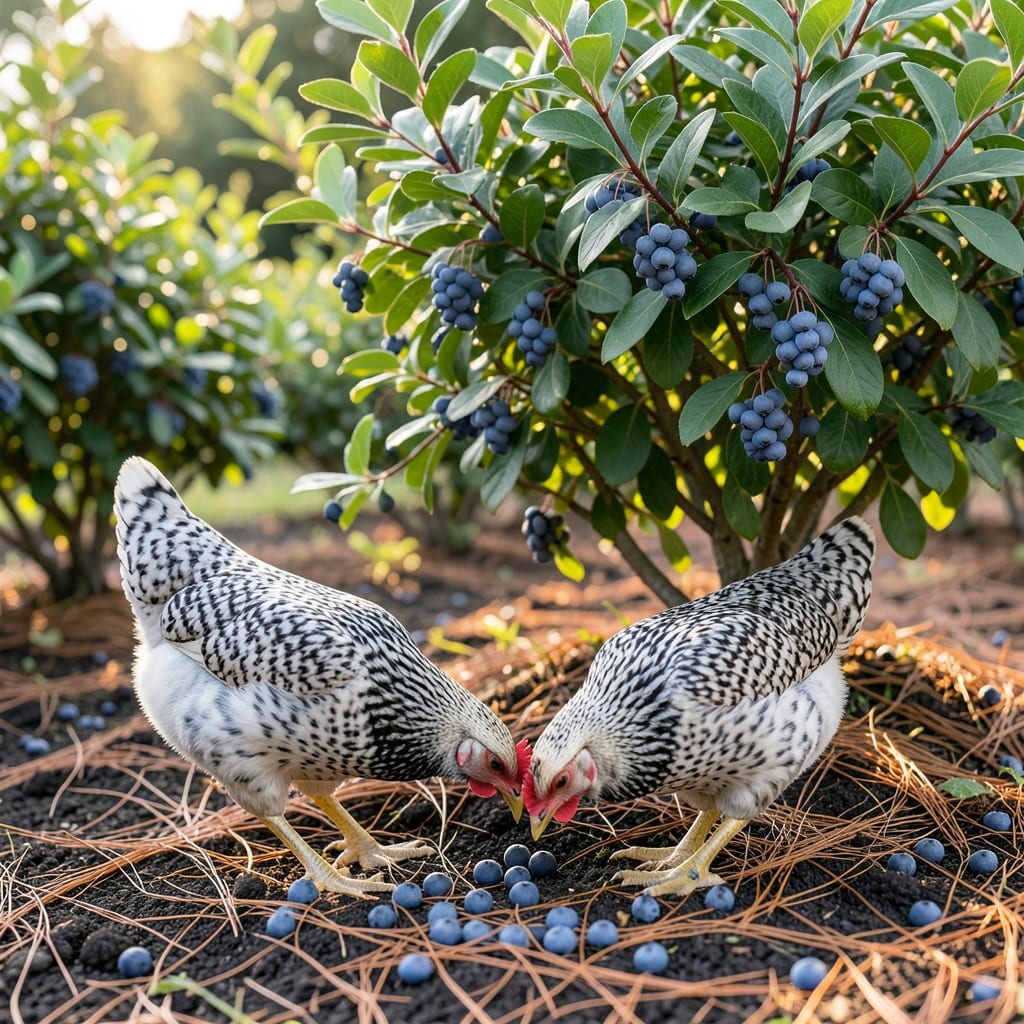
Chickens can safely eat blueberries in moderation as a nutritious treat. These berries provide vitamins, antioxidants, and natural sugars that support health. Avoid overfeeding to maintain a balanced diet.
I’ve found these berries work beautifully as a natural supplement to a flock’s diet, especially during molting season or extreme heat. The high water content helps with hydration, while the antioxidants support their immune systems. 🔥 Just remember to introduce any new food gradually to avoid digestive upsets.
💡 In This Article
Blueberries pack a nutritional punch that directly benefits poultry. Each 1/2 cup serving contains 14% of daily vitamin C needs and 24% of vitamin K, which supports blood clotting and bone health in chickens. The antioxidants, particularly anthocyanins, combat oxidative stress in their systems, much like how they protect human cells from damage. ✨
What most chicken keepers don’t realize is how these compounds boost immune function. The polyphenols in blueberries have been shown in poultry studies to enhance disease resistance, especially during high-stress periods like molting or extreme temperature swings. This natural immune support can reduce the need for medication in healthy flocks.
The fiber content, at 3.6g per cup, aids digestion by promoting healthy gut bacteria. This is particularly valuable for chickens, as their digestive systems rely heavily on microbial balance. The natural sugars provide a quick energy source without the crash associated with processed treats, making them ideal for active foragers. 🔥
Chickens also benefit from the 84% water content in blueberries, which helps maintain hydration levels. This is especially crucial during summer months when heat stress can impact egg production and overall health. The berries’ low calorie count (42 calories per 1/2 cup) means they won’t contribute to obesity when fed in proper portions.
Compared to other fruits, blueberries offer a unique nutritional profile. They contain 3 times more antioxidants than strawberries and 4 times more than apples, while having half the sugar of grapes. This makes them one of the most nutrient-dense treat options for backyard flocks. 💫
Feed them 2-3 times per week in small amounts. This prevents digestive issues while allowing your flock to enjoy the nutritional benefits. Always introduce new treats gradually.
Always rinse thoroughly to remove pesticides or chemicals. Even organic berries should be washed to eliminate potential contaminants. Safety comes first for your chickens.
Wait until chicks are at least 8 weeks old before offering any treats. Their digestive systems are too delicate for anything beyond starter feed. Once matured, introduce in tiny portions.
Watch for diarrhea or lethargy. If these occur, remove all treats and return to their regular feed for 2-3 days. Their systems will typically recover quickly with proper care.
Yes, but thaw completely first to prevent choking. Frozen berries retain the same nutrients as fresh, making them a convenient option. Never give frozen berries directly from the freezer.