
Beautiful Plants For Your Interior
Beautiful Plants For Your Interior
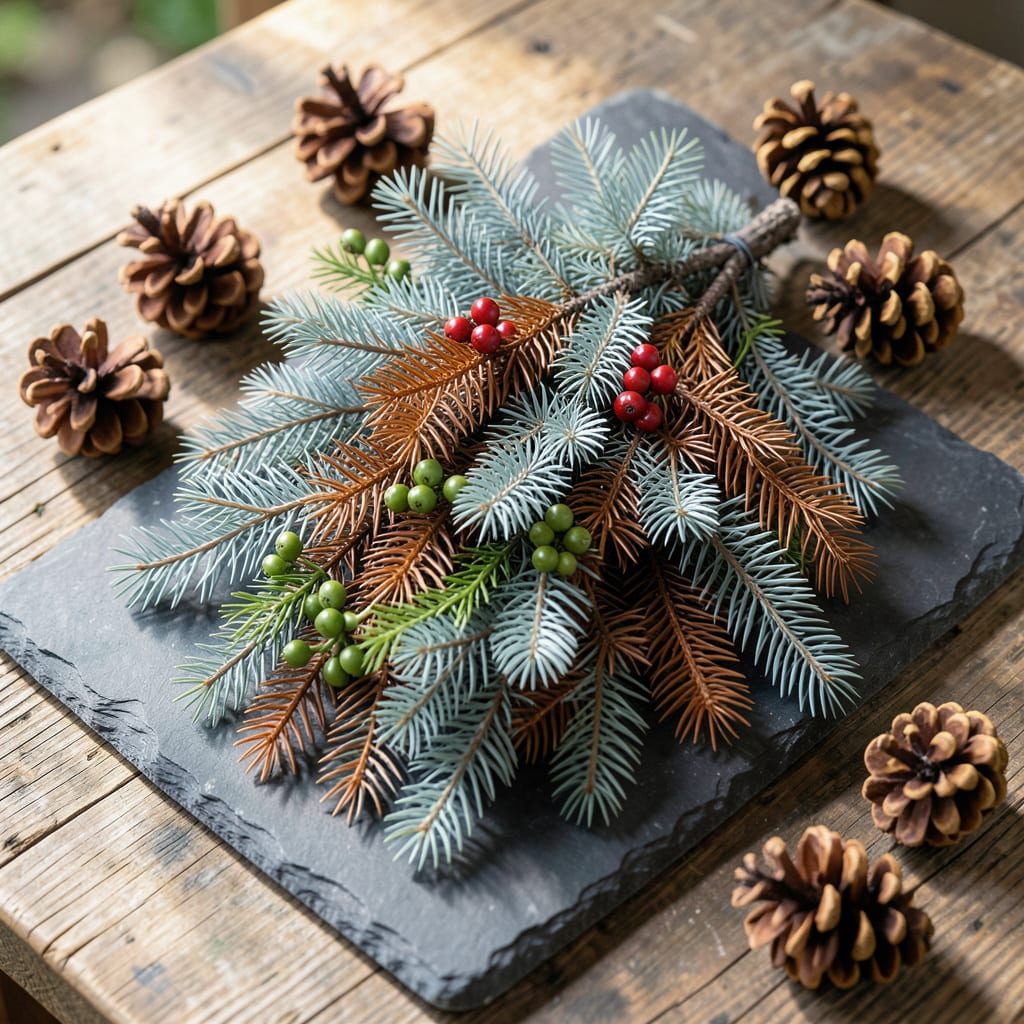
Nothing stops a gardener faster than watching that vibrant blue foliage fade to brown. I’ve lost count of how many times I’ve panicked over this exact issue, only to realize most causes have simple fixes.
Between you and me, it’s rarely a death sentence. More often it’s drought stress, winter burn, or a fungus taking advantage of wet conditions. The good news? Your juniper can bounce back with the right diagnosis and care.
You’ll see new growth return that signature blue within 4-6 weeks of addressing the root cause. The key is acting fast before the damage spreads to healthy branches.
Works for established plants and new plantings alike. Here’s how to play detective with your shrub.
The Blue Star Juniper (Juniperus squamata ‘Blue Star’) is prized for its striking silvery-blue foliage, so when it starts turning brown, it’s a sign something’s amiss. Here are the most common causes, explained with actionable insights:
Extreme temperatures, especially winter burn or heat scorch, can cause browning. Junipers are hardy, but exposed foliage in harsh winters (below 0°F/-18°C) or intense summer heat (above 90°F/32°C) may desiccate. Dry winds worsen the effect by accelerating moisture loss. Solution: Mulch heavily in fall to retain soil moisture and use burlap screens in winter for wind protection.
Both overwatering and underwatering trigger browning. Junipers prefer well-draining soil; soggy roots lead to root rot, while drought stress causes needle dieback. Check soil moisture 2 inches deep—water only if dry. Avoid overhead watering to prevent fungal growth.
Phomopsis or Kabatina tip blight are common culprits. These fungi thrive in humid, wet conditions, turning tips brown and progressing inward. Act fast: Prune affected branches (sterilize tools with rubbing alcohol), improve airflow, and apply a copper-based fungicide in early spring or fall.
Spider mites and bagworms suck sap from needles, causing yellowing or browning. Inspect undersides of branches for webs or small bags. Treatment: Blast mites off with water or use horticultural oil; handpick bagworms or apply Bacillus thuringiensis (Bt).
Poor soil drainage or nutrient deficiencies (e.g., iron or magnesium) can stress the plant. Test soil pH (aim for 6.0–7.5); amend with compost or apply a balanced, slow-release fertilizer in early spring if needed.
If your blue star juniper is turning brown, don’t panic—most causes are fixable with the right care. Below are targeted solutions for common issues, plus prevention tips to keep your plant thriving.
Check the soil: if it’s bone-dry, water deeply (1–2 inches per week) and mulch to retain moisture. If it’s soggy, improve drainage by amending the soil with sand or gravel. Prevention tip: 💡 Stick your finger 2 inches into the soil—water only if it feels dry.
Brown patches after cold snaps often mean winter desiccation. Wrap the plant in burlap in late fall, or apply an anti-desiccant spray before freezing temps hit. Prevention tip: ✨ Plant in a sheltered spot or use a windbreak.
For spider mites or scale, spray with horticultural oil or insecticidal soap. For fungal issues like Phomopsis blight, prune infected branches (sterilize tools!) and apply a copper fungicide. Prevention tip: 🎯 Space plants for airflow and avoid overhead watering.
Test your soil—juniper prefers slightly acidic to neutral pH (6.0–7.5). Amend with compost or use a balanced, slow-release fertilizer in spring. Prevention tip: 🌿 Avoid high-nitrogen fertilizers, which can harm evergreens.
Pro move: If browning spreads rapidly, take a sample to your local extension office for diagnosis before treating.
With proper care, new growth should appear in 4-6 weeks. Severely damaged sections may not regrow, but the plant will fill in over time. Consistency is key for full recovery.
Yes! Soggy roots lead to rot, which prevents the plant from absorbing nutrients. Always check that soil is dry 2 inches down before watering again.
Apply anti-desiccant spray in late fall and wrap the shrub in burlap. Planting in a sheltered location also reduces exposure to harsh winds.
Only if they’re clearly dead or diseased. Otherwise, wait until spring to see if new growth emerges. Always sterilize pruning tools with rubbing alcohol.
