
Beautiful Plants For Your Interior
Beautiful Plants For Your Interior
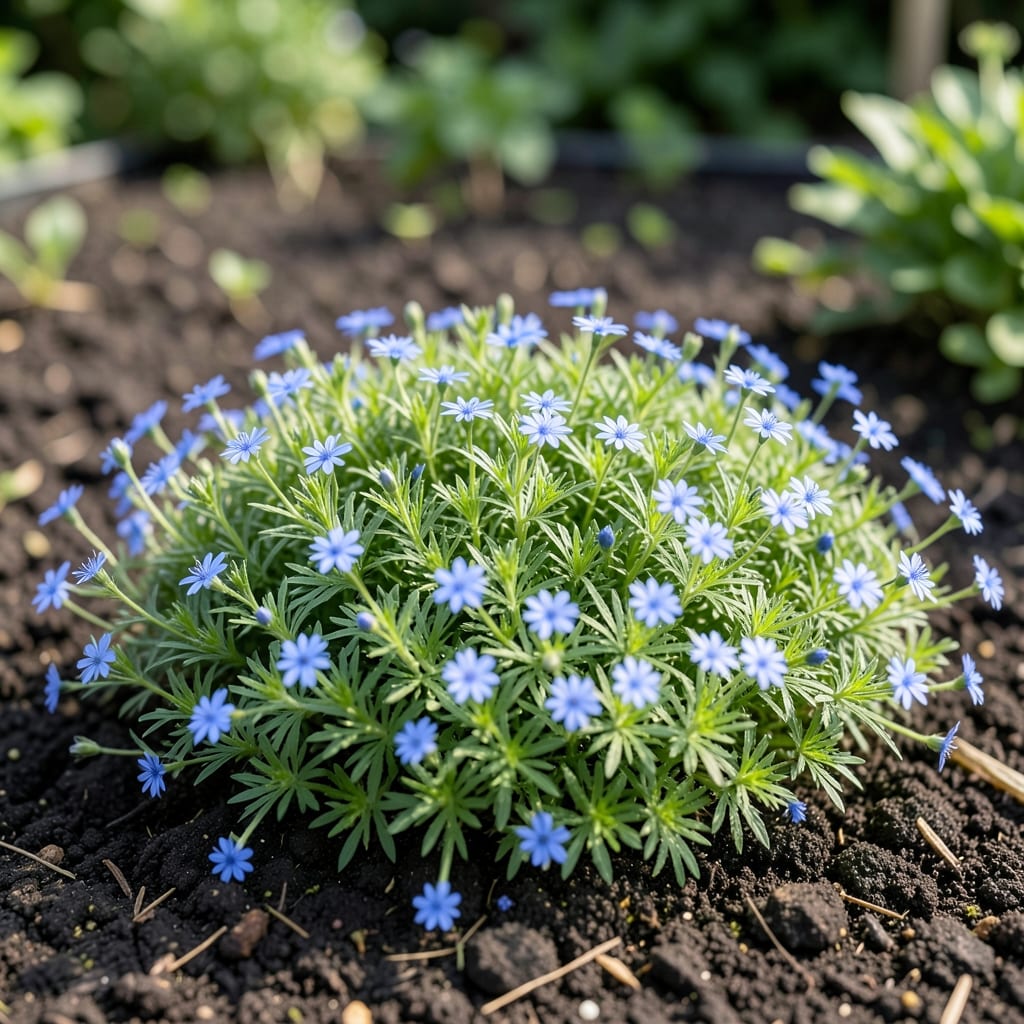
Blue star creeper thrives in USDA hardiness zones 5 through 9, tolerating temperatures down to -15°F. It performs best in partial shade to full sun with well-drained soil.
I love this ground cover because it handles both cold winters and warm summers with ease. Its ability to spread quickly in zones 6-8 makes it a favorite for gardeners looking to fill gaps between pavers or under trees. Just be sure to plant it where it won’t get waterlogged, as soggy roots are its biggest enemy. ✨
💡 In This Article
Blue star creeper’s resilience stems from its native Australian origins, where it adapted to varied climates. In USDA zones 5-9, it survives winter lows of -15°F by entering dormancy, with foliage dying back but roots remaining alive. This dormancy period conserves energy, allowing rapid regrowth when spring temperatures rise above 50°F. 🔥
Summer heat tolerance is equally impressive. The plant thrives in temperatures up to 90°F, though it benefits from afternoon shade in zone 9’s intense heat. Its shallow root system, typically 2-3 inches deep, allows it to absorb moisture quickly but makes it sensitive to drought. Mulching helps retain soil moisture in hotter zones.
Frost sensitivity varies by zone. In zone 5, late frosts may damage new spring growth, while zone 9 plants rarely experience frost. The creeper’s low-growing habit (1-2 inches tall) protects it from wind damage but means it competes with lawn grasses for space.
Its spreading nature, up to 12-18 inches wide, makes it ideal for filling gaps in pathways. ✨
Seasonal growth patterns show peak vigor in spring and fall. During these periods, the creeper produces its characteristic tiny, star-shaped blue flowers. In summer, growth slows in extreme heat, while winter dormancy in colder zones ensures survival. This adaptability explains its popularity across such a wide hardiness range.
Climate also affects its spread rate. In cooler zones 5-6, it grows more slowly, taking 2-3 years to fully establish. In warmer zones 8-9, it can spread aggressively, sometimes requiring edging to control its expansion. This variability means gardeners must adjust their expectations based on their specific climate conditions. 💫
No, zone 4 winters typically drop below -20°F, which is too cold. Consider growing it in containers and bringing them indoors during winter.
In zones 5-6, it tolerates partial shade but thrives with 4-6 hours of sunlight. More sun helps it establish faster and produce more flowers.
In zone 9, it can spread 12-18 inches per year under ideal conditions. Use edging to control its growth in pathways.
Plant in early spring or fall to avoid summer heat stress. This gives roots time to establish before extreme temperatures.