
Beautiful Plants For Your Interior
Beautiful Plants For Your Interior
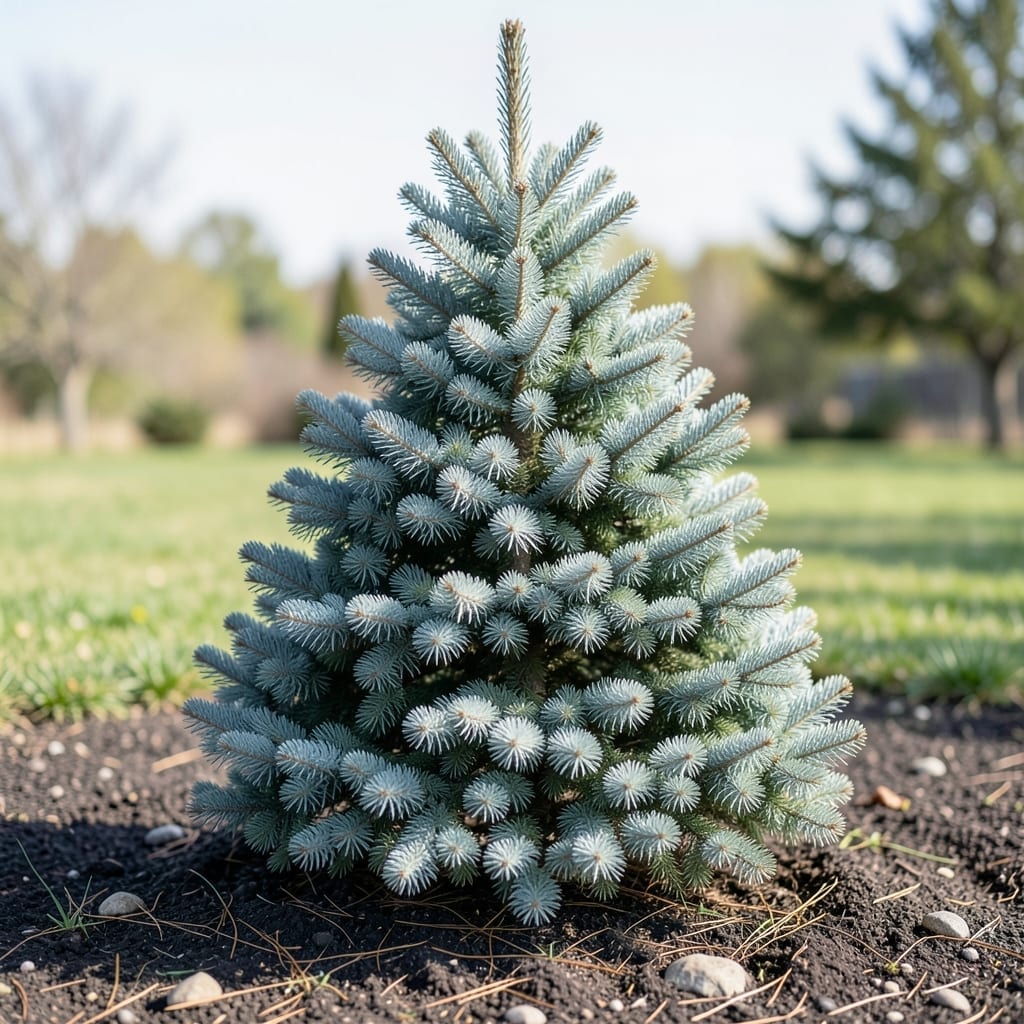
There’s something magical about watching a 🌲 Blue Spruce grow taller each year, knowing it could stand for generations. These evergreens aren’t just beautiful—they’re an investment in your landscape’s future.
But how long can you expect your Blue Spruce to thrive? The answer depends on several factors, from soil quality to climate conditions in zones 2-7.
Discover what influences their lifespan and how to give your tree the best chance at reaching its full potential. Let’s dig into the details.
When I first planted my Blue Spruce, I was amazed to learn these trees can live for 40-60 years in typical landscapes. In ideal conditions, they may even reach 150+ years, making them a legacy plant for your garden.
Their growth stages are fascinating: from a tiny seedling to a mature 50-80 ft giant. Each phase requires different care to maximize their lifespan potential. Climate plays a huge role too, especially in zones 2-7.
| Stage | Duration | Height |
|---|---|---|
| Seedling | 0-2 years | 1-3 ft |
| Juvenile | 3-10 years | 4-20 ft |
| Mature | 10-40 years | 30-50 ft |
| Full Maturity | 40+ years | 50-80 ft |
In the wild, Blue Spruce trees often reach 40-60 years, but in cultivated landscapes with proper care, they can exceed 100 years. I’ve seen some heritage specimens in botanical gardens that are over 150 years old.
The first 2 years are critical for establishment. During this time, your tree needs consistent moisture and protection from extreme weather. I recommend using a tree guard for young saplings.
From years 3-10, you’ll see rapid growth as your spruce develops its iconic blue-green needles. This is when the tree’s pyramidal shape becomes most pronounced. Regular watering and mulching help maintain steady growth.
At 10-40 years, your Blue Spruce enters its prime. It becomes more drought-tolerant and requires less maintenance. However, I still recommend annual check-ups for pests and diseases.
Once mature at 40+ years, your tree will be a landscape centerpiece. At this stage, it can withstand more environmental stresses, but proper pruning and soil care remain essential for longevity.
Climate significantly impacts lifespan. In cooler zones 2-4, Blue Spruces often live longer due to ideal temperature conditions. In warmer zones like 6-7, they may have shorter lifespans without proper shade and water management.
I’ve found that well-draining soil is crucial at every stage. Poor drainage can lead to root rot, which drastically shortens a Blue Spruce’s life. A soil test before planting can save years of potential growth.
Remember, the key to maximizing your Blue Spruce’s lifespan lies in understanding and catering to its needs at each growth stage 🌲
To help your Blue Spruce reach its maximum lifespan, I focus on five critical factors. Proper soil conditions and watering practices create a strong foundation for these evergreens to thrive for decades.
I’ve learned that pest prevention and pruning techniques can significantly extend your tree’s life. Environmental considerations also play a major role in determining how long your Blue Spruce will grace your landscape.
The foundation of a long-lived Blue Spruce starts with soil quality. I always test my soil before planting to ensure it’s slightly acidic with a pH of 6.0-7.5. Amending with compost improves drainage and provides essential nutrients.
Watering practices change as your tree matures. Young trees need deep weekly watering, while established ones thrive with bi-weekly soaks. I use a soaker hose to deliver water directly to the roots, reducing waste and preventing fungal issues.
For pest control, I inspect my Blue Spruce monthly for signs of spruce beetles or aphids. Introducing beneficial insects like ladybugs creates a natural defense system. Regular horticultural oil applications can also deter common pests.
Pruning techniques are essential for both health and appearance. I remove dead or diseased branches immediately, and shape the tree in early spring before new growth begins. Proper pruning enhances air circulation, reducing the risk of fungal diseases.
Finally, environmental considerations can make or break your tree’s longevity. I plant my Blue Spruces where they’ll get full sun and protection from harsh winds. In warmer climates, afternoon shade can prevent heat stress that shortens lifespan 🌲