
Beautiful Plants For Your Interior
Beautiful Plants For Your Interior
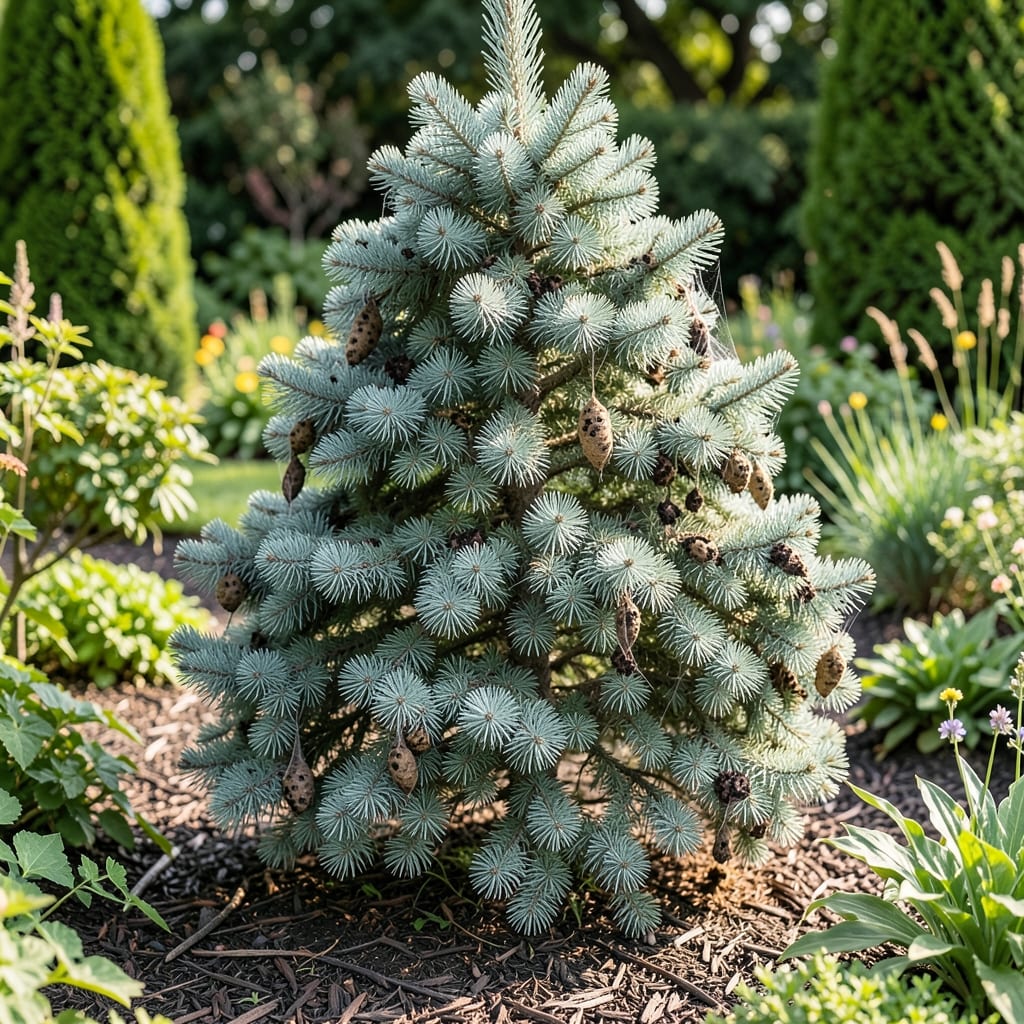
My blue atlas cedar nearly died before I learned to spot trouble early. These trees signal distress in subtle ways—yellowing needles, brown tips, or stunted growth that’s easy to miss until it’s serious.
Most issues stem from three preventable problems: poor drainage, improper watering, or pest infestations. I’ve seen all three firsthand, and each has a simple organic fix that restores health without harsh chemicals.
Catch the signs early, and you can reverse damage before it spreads. The key is checking the tree regularly, especially after extreme weather or seasonal changes.
With the right approach, your cedar can thrive for decades. Here’s how to keep it lush and blue year after year.
The Blue Atlas Cedar (Cedrus atlantica ‘Glauca’) is a hardy conifer, but several environmental, biological, and cultural factors can trigger its decline. Below are the primary causes of its most common problems.
Extreme temperatures, drought, or poor drainage can weaken the tree, making it susceptible to disease. Blue Atlas Cedars thrive in USDA zones 6–9 but struggle in areas with high humidity or waterlogged soil, which suffocate roots and promote fungal growth. Winter burn—browning foliage from cold, dry winds—is another stressor, particularly in exposed locations.
Fungi like Phomopsis (needle blight) and Botryosphaeria (canker) exploit stressed trees. Phomopsis thrives in wet conditions, causing brown, mottled needles, while Botryosphaeria creates sunken, oozing cankers on branches. Poor air circulation and overhead watering exacerbate these infections.
Sap-sucking pests such as spider mites and bagworms drain the tree’s resources. Spider mites thrive in hot, dry weather, leading to stippled or yellowing needles. Bagworms, which resemble small cones, defoliate branches if left unchecked. Scale insects also secrete honeydew, promoting sooty mold growth.
Improper planting or pruning can invite problems. Planting too deep suffocates roots, while over-pruning removes protective foliage, exposing the tree to sunburn or disease. Additionally, compacted or nutrient-poor soil limits root development, reducing the tree’s vigor.
When your Blue Atlas Cedar shows signs of trouble, quick and targeted action can restore its health. Below are practical fixes for the most common problems, paired with prevention tips to keep your tree thriving long-term.
Fix: If drought or heat stress is the culprit, deeply water the tree at its base (not the needles) once a week during dry spells. Use a slow-dripping hose to ensure moisture reaches the roots. For salt damage (e.g., from road salt), flush the soil with fresh water to leach out excess salts.
Prevent: Mulch around the base with 2–3 inches of organic material (e.g., wood chips) to retain moisture and regulate soil temperature. Avoid overhead watering to prevent fungal issues. 💡
Fix: Prune infected branches with sterilized shears (dip in rubbing alcohol between cuts) and dispose of debris far from the tree. For root rot, improve drainage by amending heavy clay soil with compost or sand. Apply a copper fungicide (organic option) as directed on the label.
Prevent: Ensure good airflow by spacing trees properly (15–20 feet apart). Water in the morning so foliage dries quickly, and avoid soggy soil. ✨
Fix: Handpick bagworms in early summer before they mature and remove their bags. For spider mites, blast them off with a strong stream of water or apply neem oil (mix 2 tbsp per gallon of water) weekly until gone.
Prevent: Encourage natural predators like ladybugs by planting companion flowers (e.g., marigolds). Inspect trees regularly for early signs of pests. 🎯
Fix: Test your soil (kits are available at garden centers). If iron deficiency is confirmed (common in alkaline soils), apply chelated iron or sulfur to lower pH. For general malnutrition, use a balanced, slow-release organic fertilizer in early spring.
Prevent: Feed your cedar annually with compost or a 10-10-10 organic fertilizer to maintain soil health. Avoid over-fertilizing, which can harm roots. 🌡️
Brown needles often signal drought stress or fungal issues. Check soil moisture at 2-3 inches deep—if dry, water deeply. For fungal causes, improve airflow and avoid overhead watering.
Remove bags by hand in early summer before they mature. For heavy infestations, apply neem oil weekly. Encourage ladybugs by planting marigolds nearby for natural control.
Yes! Waterlogged soil suffocates roots and invites root rot. Water only when the top 2-3 inches of soil feel dry. Ensure good drainage by amending clay soil with compost.
Apply 2-3 inches of mulch around the base in late fall. Wrap young trees in burlap for extra protection. Avoid late-season fertilizing, which promotes tender new growth.