
Beautiful Plants For Your Interior
Beautiful Plants For Your Interior
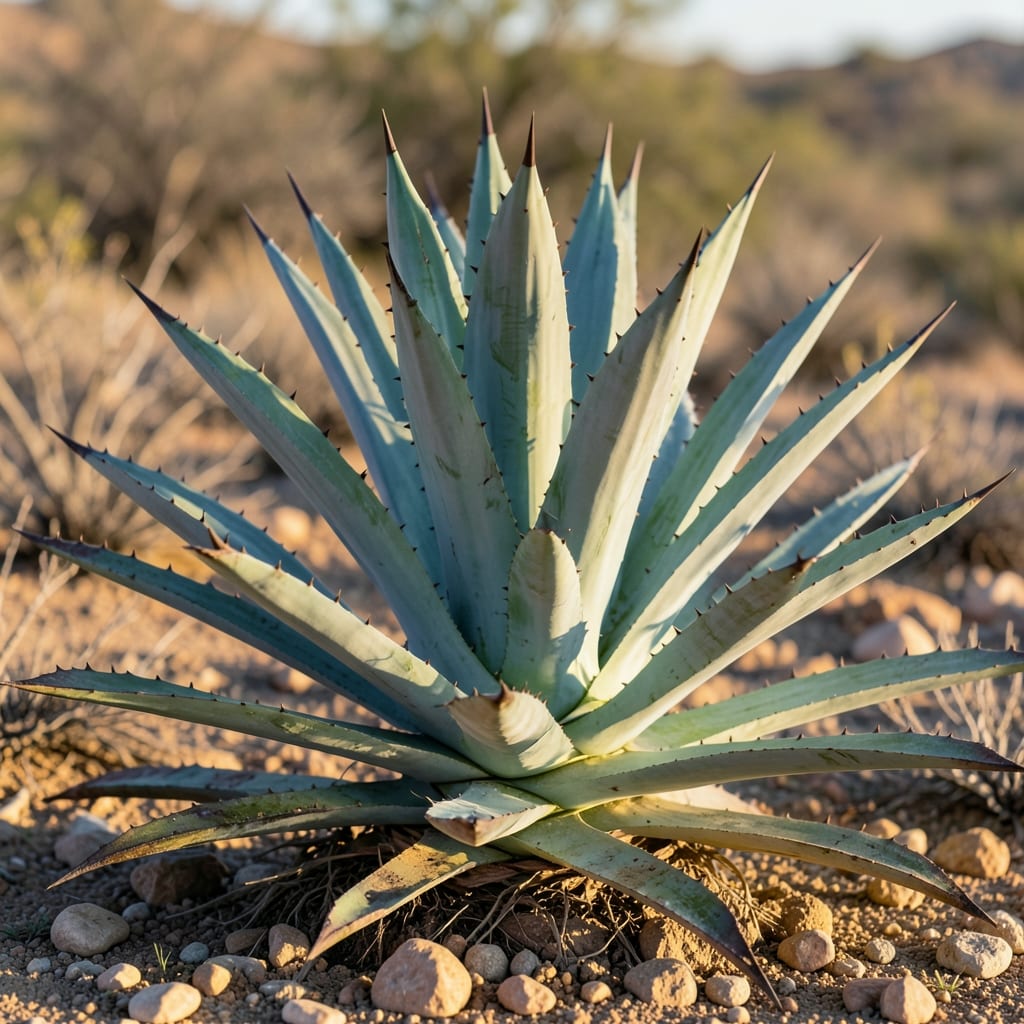
Blue agave is the primary plant used to make tequila, with its sugary piña (core) fermented and distilled to create the spirit. Only 100% blue agave tequila comes from this plant exclusively.
This spiky succulent thrives in volcanic soils of Jalisco, Mexico, where its high fructose content makes it perfect for fermentation. 🔥 I’ve learned that the plant’s slow 7-10 year growth cycle allows sugars to concentrate, which is why authentic tequila can’t be rushed. The piña’s weight at harvest directly impacts the spirit’s sweetness and complexity.
💡 In This Article
The blue agave’s piña contains 20-25% natural sugars, primarily fructose, which ferments more efficiently than glucose. This high sugar concentration allows for a cleaner, more flavorful distillation compared to other agave varieties. The plant’s slow growth in Jalisco’s red clay soil concentrates these sugars over 7-10 years, creating the perfect raw material for tequila. 🔥
Volcanic soil in Mexico’s tequila region provides unique mineral content that the plant absorbs. These minerals contribute subtle earthy notes to the final spirit, distinguishing it from agave grown elsewhere. The blue agave’s thick leaves also protect the piña from harsh sun, preserving its delicate flavor compounds during maturation.
Historically, the blue agave was sacred to ancient Aztecs, who called it “maguey” and used it for ritual drinks. Modern tequila production honors this tradition by using only blue agave for 100% agave tequila, while “mixed” tequilas may contain up to 49% other sugars. This purity requirement ensures the spirit retains the plant’s true character.
The piña’s size at harvest (typically 80-200 lbs) directly impacts yield. Larger piñas contain more fermentable sugars, but size isn’t everything—mature plants develop complex flavor compounds that younger ones lack. Jimadores (harvesters) can tell when a plant is ready by the color and firmness of its leaves.
What most people don’t realize is that the blue agave’s genetic makeup makes it particularly good at storing sugars. Unlike other agave varieties that might produce more fiber or less sweet nectar, blue agave evolved to pack its core with the perfect balance of sweetness and structure for fermentation. ✨
The 7-10 year growth cycle allows the piña to concentrate high levels of natural sugars. This slow maturation in volcanic soil develops the complex flavors essential for premium tequila. Rushing the process would result in weaker, less flavorful spirits.
Yes, but it requires well-draining soil, full sun, and warm temperatures above 60°F. Plant offsets spaced 6-8 feet apart and water sparingly. Remember it’s a long-term commitment—you won’t harvest for nearly a decade.
Immature piñas lack sufficient sugars, producing weak, bitter tequila. The plant needs the full 7-10 years to develop its characteristic sweetness and depth. Harvesting prematurely wastes years of growth.
Look for yellowing leaves and a firm piña weighing 80-200 lbs. Experienced harvesters (jimadores) also check the leaf color and firmness. The dry season is the ideal time to harvest for maximum sugar content.