
Beautiful Plants For Your Interior
Beautiful Plants For Your Interior
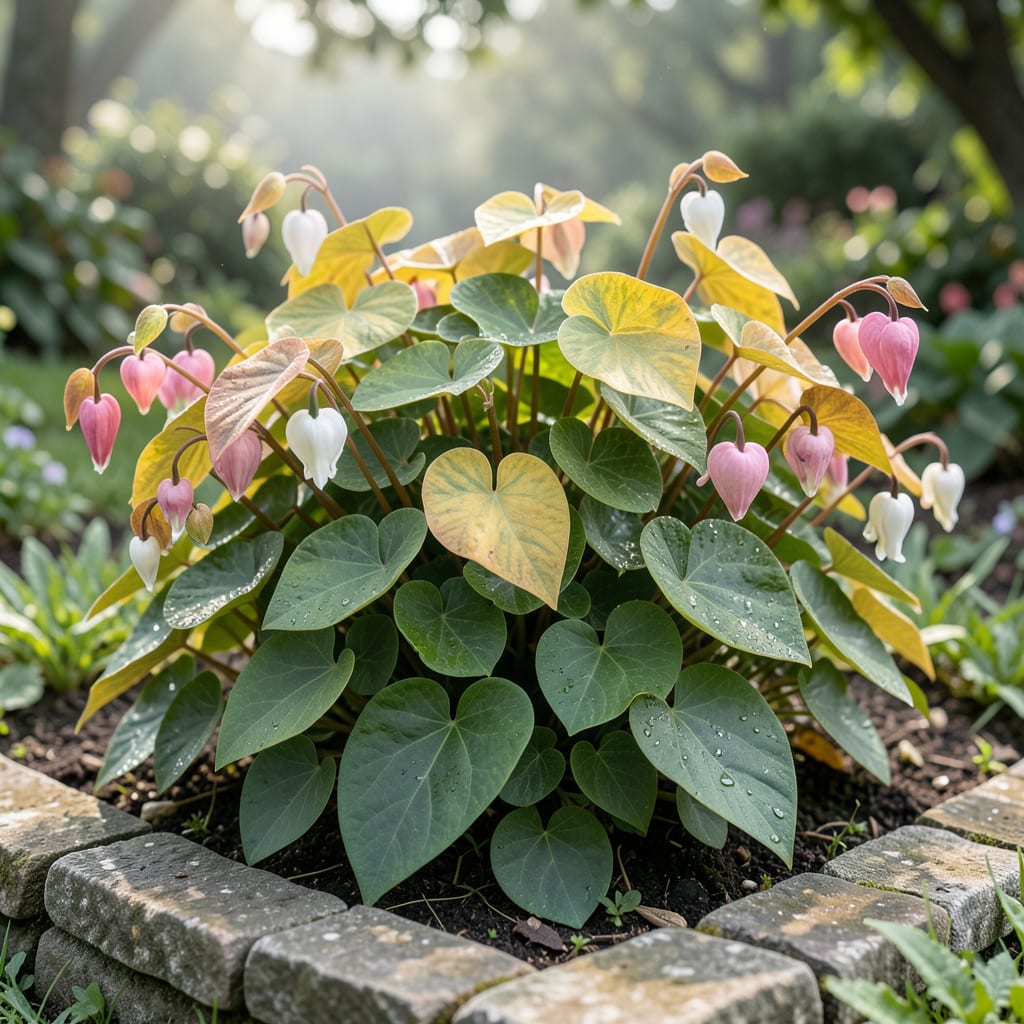
My bleeding hearts looked stunning last week, then suddenly their leaves started fading to yellow. 🌿 I’ve seen this happen before, and the good news is it’s usually fixable once you know what’s causing it.
Overwatering, nutrient shortages, or even temperature swings can trigger the color change. The key is diagnosing the right issue quickly—before the problem spreads to the whole plant.
With the right adjustments, you’ll see new green growth pushing through within 2-3 weeks. It’s about balancing moisture, soil health, and the plant’s natural cycle.
Works for both established plants and new additions to your garden. Here’s how to bring them back to life.
Bleeding heart leaves turn yellow due to several underlying issues, each tied to the plant’s health and environment. Here are the most common causes:
A lack of nitrogen or iron is a primary culprit. Nitrogen supports leaf greenery, while iron aids in chlorophyll production. Yellowing often starts in older leaves (nitrogen deficiency) or between veins (iron deficiency). Test soil pH—bleeding hearts prefer 6.0–7.0; alkaline soil can lock out iron.
Soggy roots suffocate, reducing nutrient uptake. Yellowing leaves may feel limp or appear with brown edges. Ensure pots have drainage holes, and amend heavy clay with compost to improve aeration.
Bleeding hearts thrive in partial shade. Excessive sun bleaches chlorophyll, causing pale or yellow leaves. If leaves also feel crispy, heat stress is likely. Relocate plants to dappled shade, especially in hot climates.
In late summer, bleeding hearts enter dormancy, and leaves naturally yellow and die back. This is normal! Cut back foliage after it yellows completely to tidy the garden.
Don’t panic—yellow leaves on your bleeding heart can often be fixed with a few simple steps. Below are targeted solutions for the most common causes, along with prevention tips to keep your plant thriving.
If soggy soil is the culprit, stop watering immediately and let the top 1-2 inches of soil dry out. Check drainage—ensure pots have holes and garden beds aren’t waterlogged. Repot in fresh, well-draining soil if root rot is present. Prevention tip: 💡 Water only when the soil feels dry to the touch, and use a moisture meter for precision.
Revive parched plants with a deep soak (until water runs from the drainage holes). Mulch around the base to retain moisture. If heat is scorching the leaves, move potted plants to a shadier spot or provide afternoon shade for in-ground plants. Prevention tip: 🌡️ Water early in the morning to reduce evaporation and avoid wilt.
Yellowing often signals a lack of nitrogen or iron. Apply a balanced, water-soluble fertilizer (10-10-10) every 4-6 weeks during growing season. For iron deficiency (yellow leaves with green veins), use chelated iron or amend soil with compost. Prevention tip: ✨ Test soil annually and adjust amendments as needed.
Check undersides of leaves for aphids or spider mites. Blast them off with water or use neem oil for severe infestations. For fungal issues (like powdery mildew), improve air circulation and apply a fungicide. Prevention tip: 🎯 Space plants properly and remove debris to deter pests and disease.
With these fixes, your bleeding heart should bounce back in no time! Consistency in care is key to preventing future yellowing.
Yes, trim yellow leaves at the base using clean shears. This redirects energy to healthy growth and prevents potential disease spread.
Water when the top 1-2 inches of soil feel dry. Aim for 1 inch per week, adjusting for rain. Overwatering is a common cause of yellowing.
No, once leaves yellow they won’t regain color. Focus on correcting the underlying issue to support new green growth.
A balanced 10-10-10 fertilizer helps nitrogen deficiency. For iron issues, use chelated iron or sulfur to lower soil pH.
