
Beautiful Plants For Your Interior
Beautiful Plants For Your Interior
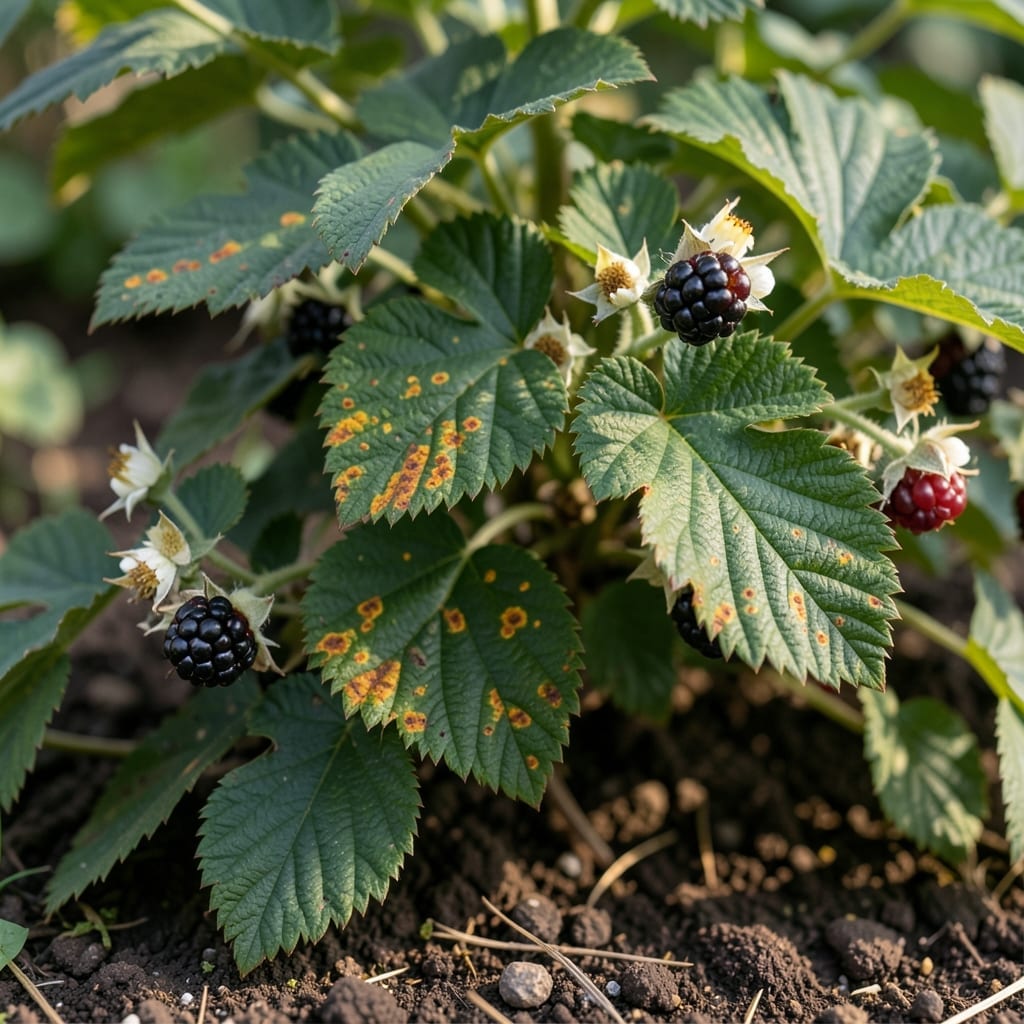
Spotted orange pustules on your blackberry leaves mean trouble. I first noticed this problem three seasons ago when my entire patch turned yellow overnight, and I’ve been perfecting the response ever since.
This fungal issue spreads fast in wet weather, but catching it early changes everything. You’ll see the first signs on the undersides of leaves, then watch as they multiply across the plant within 7-10 days.
Organic solutions work surprisingly well if you act quickly. I’ve tested copper sprays, neem oil, and even simple sanitation methods that stop the spread in its tracks.
The key is removing infected leaves immediately and improving air circulation. Your plants can recover completely with the right approach.
Blackberry leaf rust doesn’t appear out of thin air—it’s often the result of specific environmental and biological factors. Understanding these causes helps you prevent and manage the issue effectively.
This fungal disease, caused by Phragmidium violaceum or similar pathogens, thrives in damp conditions. Prolonged leaf wetness from rain, dew, or poor drainage creates the perfect breeding ground. Overhead irrigation can also contribute by keeping foliage wet for extended periods.
Temperatures between 60–75°F (15–24°C) with high humidity are ideal for rust spores to germinate and spread. These conditions are common in spring and early summer, making blackberry plants particularly vulnerable during these seasons.
Dense plantings or overgrown canes restrict airflow, trapping moisture around leaves. This stagnant environment accelerates spore development and infection. Pruning and proper spacing are key to reducing this risk.
Rust spores overwinter on fallen leaves, canes, and other plant debris. If not removed, these spores can reinfect new growth in the following season. Sanitation—removing and destroying infected material—is critical to breaking the disease cycle.
Some blackberry cultivars are more prone to leaf rust than others. Older or heirloom varieties may lack resistance, while newer, disease-resistant hybrids are less likely to succumb. Choosing resistant varieties can significantly reduce the risk of infection.
Dealing with rust on your blackberry plants requires quick action and consistent care. Below are practical solutions for each common cause, along with prevention tips to keep your plants healthy.
Rust thrives in damp, stagnant conditions. Prune overcrowded canes to allow airflow between branches. Space plants at least 3–4 feet apart to reduce humidity buildup. For existing infections, remove affected leaves and burn or trash them—do not compost.
Prevention tip: 💡 Plant in sunny spots and avoid overhead watering to minimize moisture on leaves.
Fungal spores spread easily on wet leaves. Water at the base of the plant using a drip irrigation system or soaker hose. If using a sprinkler, do it early in the morning so leaves dry quickly in the sun.
Prevention tip: 🌡️ Mulch around plants to reduce soil splash, which can carry spores upward.
For active rust, spray infected plants with neem oil or copper-based fungicides (follow label instructions). A homemade mix of 1 tsp baking soda + 1 quart water + a few drops of dish soap can also help suppress spores. Apply every 7–10 days until symptoms disappear.
Prevention tip: ✨ Remove fallen leaves and debris around plants to eliminate spore sources.
Check leaves weekly for yellow or orange pustules, especially after rain. Act at the first sign—rust spreads fast! Use a magnifying glass if needed to spot early spores on leaf undersides.
Prevention tip: 🎯 Rotate crops and avoid planting blackberries near other susceptible hosts like raspberries.
Early symptoms appear as small yellow-orange spots on leaf undersides. These develop into raised pustules that may turn reddish-brown. Check weekly during warm, wet weather for best results.
Yes, the fruit remains safe to consume. Rust only affects leaves and canes, not the berries themselves. However, severely infected plants may produce fewer fruits.
Under ideal wet conditions, spores can multiply and infect new leaves within 7-10 days. Early detection and removal of infected leaves can stop the spread effectively.
Yes, if infected debris remains. Always remove and destroy all affected plant material in fall. This breaks the disease cycle and prevents reinfection.