
Beautiful Plants For Your Interior
Beautiful Plants For Your Interior
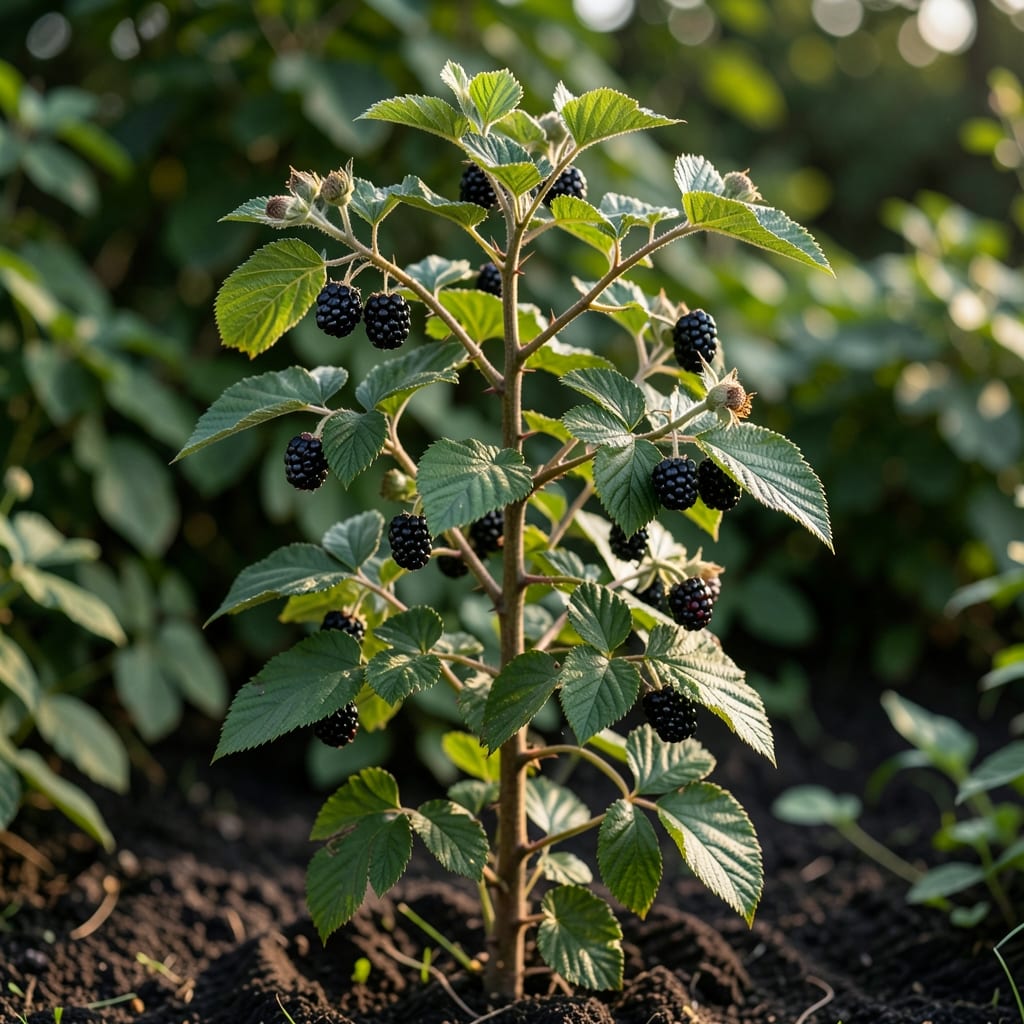
Blackberry bush thorns are sharp, stiff spines that grow along the stems, serving as a natural defense. They can be fine or thick, curved or straight, depending on the variety.
I’ve found these spines act like the plant’s built-in security system against hungry animals and harsh weather. Thornier varieties often produce sweeter berries, as the protection allows them to focus energy on fruit development rather than defense. 🔥
What’s fascinating is how they adapt—some cultivated types have nearly thornless stems, while wild bushes develop longer, more menacing thorns for survival. ✨
💡 In This Article
Blackberry thorns are a brilliant evolutionary adaptation for survival. These modified stems, called prickles, act as the plant’s first line of defense against herbivores like deer and rabbits. The sharp points deter animals from grazing, allowing the bush to conserve energy for growth and fruit production instead of constantly regenerating damaged foliage.
What many don’t realize is that thorns also provide environmental protection. They create a microclimate that reduces water loss by breaking up wind flow around the leaves.
In wild varieties like the Himalaya blackberry, thorns can reach 1-2 inches long, forming nearly impenetrable thickets that protect the plant from physical damage and provide shelter for beneficial insects. 🔥
The thorn structure varies significantly between cultivated and wild types. Domestic varieties often have finer, less aggressive thorns because they’ve been selectively bred for easier harvest. Meanwhile, wild bushes develop thicker, more numerous spines as they compete for resources in harsher conditions. This adaptation explains why thornless cultivars often require more careful cultivation.
Another fascinating aspect is how thorns contribute to the plant’s reproductive success. By making the bush less appealing to animals, they ensure the berries remain undisturbed until fully ripe. This gives the fruit maximum time to develop its sweet flavor and deep color, which then attracts birds that help spread the seeds through their droppings.
✨
From a botanical perspective, these thorns are technically different from true thorns (which are modified branches) or spines (modified leaves). Blackberry prickles are outgrowths of the epidermis, which is why they can be easily removed from the stem without damaging the plant’s vascular system.
This unique structure allows them to be both effective and energy-efficient for the plant.
Thornless varieties are cultivated hybrids bred for easier handling. Wild bushes develop thorns naturally for protection. Even thornless types may have small, soft prickles.
Wear thick leather gloves, long sleeves, and eye protection. Use long-handled pruners for hard-to-reach areas. Always work slowly and deliberately to avoid snags.
Yes, thorn punctures can introduce bacteria. Clean the wound immediately with soap and water, then apply antiseptic. Seek medical attention if redness or swelling occurs.
No, thorns don’t impact flavor or fruit quality. In fact, thornier wild varieties often produce sweeter berries due to their protective advantage.
Look for smooth, green canes with no visible spines. Thornless varieties also tend to have larger, more uniform berries. Check plant tags when purchasing.