
Beautiful Plants For Your Interior
Beautiful Plants For Your Interior
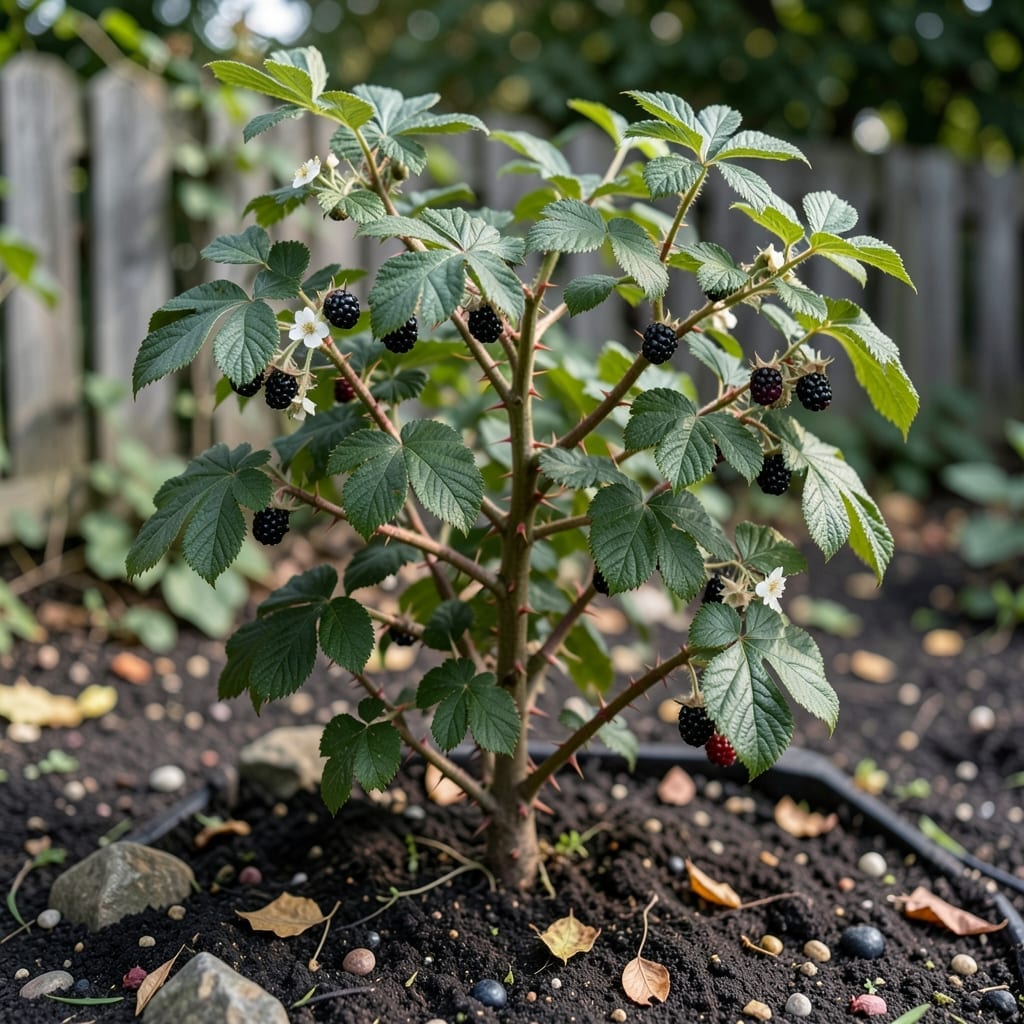
Blackberry thorn pricks hurt more than they should. I learned this the hard way last summer when a careless reach left my arm looking like a pincushion for 3 days. The good news? These thorns aren’t poisonous to humans.
They can, however, carry bacteria that might cause infection. The real danger comes from their sharpness—thin, brittle, and designed to break off in your skin. My garden gloves now have reinforced palms after too many close calls.
You’ll want thick gloves, long sleeves, and a healthy respect for how far these canes can reach. Even dead canes stay dangerously sharp. The plants don’t need to be alive to cause trouble.
Works for any blackberry variety, wild or cultivated. Safety first means you can enjoy the berries without the battle scars.
Blackberry bush thorns aren’t inherently poisonous, but they can cause irritation or infection due to several factors. Here’s why it happens:
Thorns are a physical defense mechanism for blackberry bushes. They contain tannins and alkaloids, compounds that can trigger mild skin reactions in some people. These substances may cause redness, itching, or swelling upon contact, especially if the skin is broken.
When thorns puncture the skin, they create tiny wounds that can allow bacteria (like Staphylococcus or Streptococcus) to enter. If left untreated, these wounds may become infected, leading to pain, pus, or more severe symptoms.
Some individuals have allergies to plant compounds in blackberry thorns. Histamine release from the immune system can cause localized swelling, hives, or even systemic reactions in rare cases.
Thorns can carry pesticides, dirt, or fungi from the bush into the skin. If the plant was sprayed with chemicals or grows in contaminated soil, the thorns may introduce irritants or pathogens into the wound.
To minimize risks, wear thick gloves and long sleeves when handling blackberry bushes, and clean any punctures immediately.
Dealing with blackberry bush thorns safely ensures you enjoy your garden without harm. Here’s how to address common concerns and prevent problems.
If thorns cause minor scratches or irritation, start by cleaning the area with mild soap and water to prevent infection. Apply an antiseptic cream and cover with a bandage if needed. For itching or redness, a cold compress or over-the-counter hydrocortisone cream can soothe the skin.
Prevention: Wear long-sleeved shirts, thick gloves, and pants when pruning or harvesting. 💡 Pro tip: Use arm guards for extra protection.
If a thorn breaks off in your skin, do not squeeze it—this can push it deeper. Instead, use sterilized tweezers to gently remove it. If the thorn is deep or hard to reach, seek medical help to avoid infection.
Prevention: Trim thorny branches with long-handled pruners to keep distance between you and the thorns. Always cut away from your body.
Some people may experience allergic reactions to blackberry thorns, leading to swelling, itching, or rashes. If this happens, wash the area immediately and apply an antihistamine cream. For severe reactions (e.g., difficulty breathing), seek emergency care.
Prevention: Test a small patch of skin for sensitivity before extensive contact. If you’re prone to allergies, wear protective clothing and consider using a barrier cream.
To reduce thorn-related issues, prune bushes regularly to limit thorny growth. Choose thornless blackberry varieties if available. When handling thorns, always use thick, puncture-resistant gloves and store them properly to avoid accidents.
💡 Pro tip: Keep a first-aid kit nearby when working in the garden for quick access to supplies.
Yes, punctures from thorns can introduce bacteria into the skin. Always clean wounds with soap and water, then apply antiseptic to prevent infection.
Use sterilized tweezers to remove it gently. If it’s deep or hard to reach, see a doctor to avoid pushing it further in or causing infection.
Yes, some may experience swelling, itching, or rashes. Wash the area immediately and use antihistamine cream. Seek medical help for severe reactions.
Wear thick gloves, long sleeves, and pants. Use long-handled pruners and always cut away from your body to stay safe.