
Beautiful Plants For Your Interior
Beautiful Plants For Your Interior
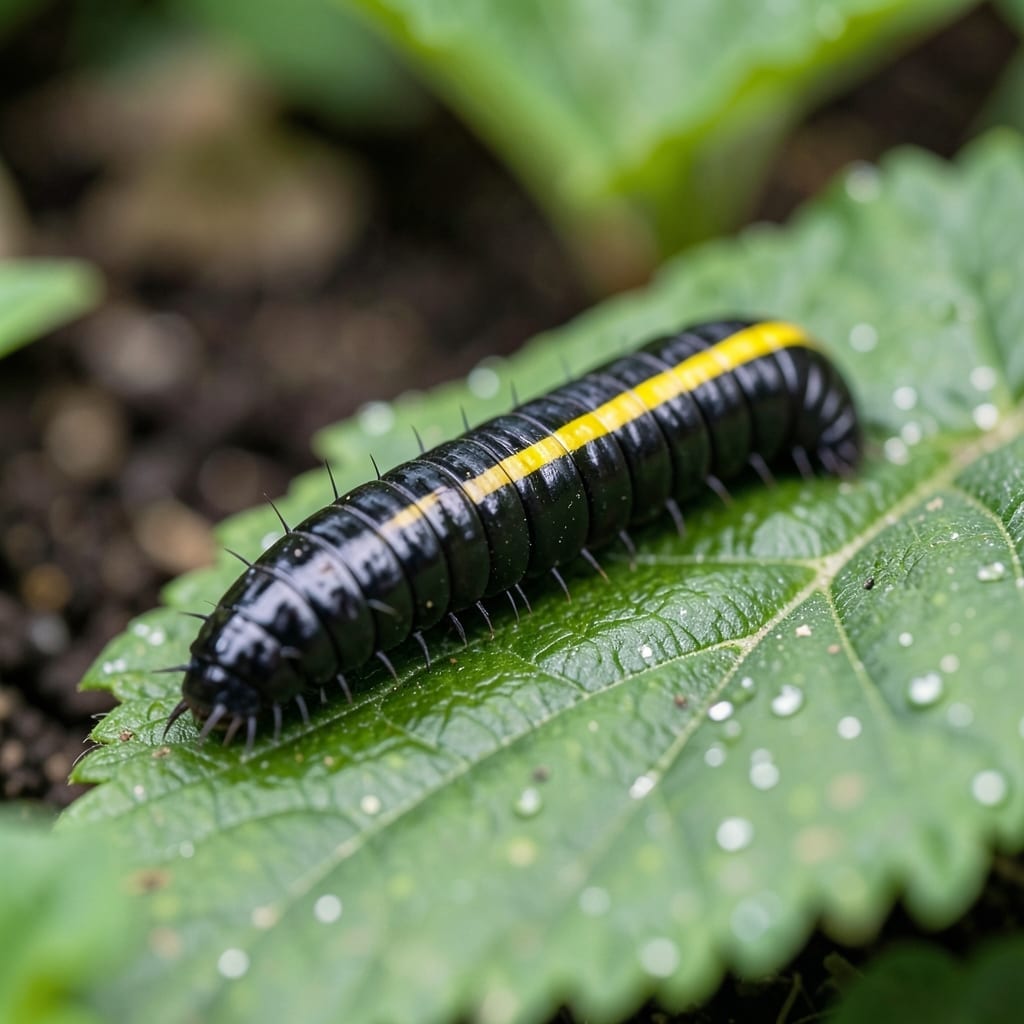
Spotted a black worm with a yellow stripe in your garden? I’ve been there—first time I saw one, I thought it was some exotic caterpillar. Turns out, it’s likely a cutworm, and they can wreak havoc on your plants overnight.
These pests chew through stems at soil level, toppling young seedlings in a flash. I lost an entire row of lettuce to them before I learned their telltale signs: dark, smooth bodies with that faint yellowish stripe down the back.
Here’s the thing—control starts with identification. Once you confirm what you’re dealing with, the solution becomes straightforward. No need for guesswork or harsh chemicals.
With the right approach, you’ll protect your garden without harming beneficial insects. Let’s tackle this together before they take out another crop.
The appearance of black worms with yellow stripes in gardens or homes is often tied to specific environmental and biological factors. These pests, commonly identified as caterpillars of the yellow-striped armyworm (Spodoptera ornithogalli) or similar species, thrive under certain conditions. Below are the primary causes behind their infestations.
These worms primarily feed on a variety of plants, including grasses, vegetables, and ornamental species. An overabundance of their preferred host plants—such as corn, soybeans, or lawn grasses—creates an ideal breeding ground. Unchecked plant growth provides ample food and shelter, allowing populations to multiply rapidly. Regularly pruning or rotating crops can disrupt their life cycle.
Like many pests, black worms with yellow stripes thrive in warm, humid environments. Temperatures between 75–85°F (24–29°C) combined with consistent moisture accelerate their development from eggs to larvae. Heavy rainfall or overwatering can exacerbate the problem by creating damp soil, which protects eggs and young larvae from desiccation.
Soil rich in organic matter but lacking in beneficial microbes can inadvertently support worm populations. Overuse of nitrogen fertilizers promotes lush plant growth, which attracts adult moths to lay eggs. Additionally, compacted or poorly drained soil retains moisture, further enabling larval survival. Aerating soil and using balanced fertilizers can reduce these risks.
In ecosystems where natural predators—such as parasitic wasps, ground beetles, or birds—are absent, worm populations can spiral out of control. Pesticide overuse often kills these beneficial insects, leaving worms unchecked. Encouraging biodiversity through companion planting or reducing chemical interventions can restore balance.
Dealing with an infestation of these striped pests starts with targeted action. Below are practical fixes for the most common causes, paired with prevention tips to keep them from returning.
If excess moisture is the culprit, reduce watering frequency and ensure pots have drainage holes. Let the top inch of soil dry out between waterings. For garden beds, improve drainage by mixing in perlite or coarse sand. Prevention tip: 💡 Use a moisture meter to avoid overwatering in the future.
Clear away fallen leaves, mulch, or rotting plant matter where these worms thrive. Turn the soil to expose and disrupt their habitat. For potted plants, repot with fresh, sterile soil. Prevention tip: 🌡️ Regularly clean up garden debris and avoid thick mulch layers near plant stems.
If the worms hitched a ride in compost, stop using it immediately and switch to heat-treated or well-aged compost. Solarize contaminated compost by spreading it thinly in the sun for a few days to kill larvae. Prevention tip: ✨ Always source compost from trusted suppliers and check for pests before use.
For a natural approach, introduce beneficial nematodes (like Steinernema carpocapsae) to the soil—they’ll prey on the worms without harming plants. Diatomaceous earth can also be sprinkled around affected areas to dehydrate them. Prevention tip: 🎯 Reapply nematodes every 4–6 weeks during warm months for ongoing protection.
If the problem persists, remove and isolate heavily infested plants or soil. Treat the remaining area with neem oil or insecticidal soap, focusing on the soil surface. Prevention tip: 🔥 Rotate crops annually to break the pest’s life cycle.
Yes, they can severely damage young plants by chewing stems at soil level. Armyworms like the yellow-striped variety often cut down seedlings overnight, so early action is crucial.
Look for small, white to pale yellow egg clusters on leaves or stems. They’re often covered in fuzzy scales from the moth, typically laid in rows of 50-100.
No, these caterpillars don’t bite or sting. They’re harmless to people but devastating to gardens, so focus on removing them from plants rather than fearing contact.
Handpick them at dawn or dusk when they’re most active. Drop them into soapy water to ensure they don’t return. For larger infestations, try organic pesticides like Bt (Bacillus thuringiensis).