
Beautiful Plants For Your Interior
Beautiful Plants For Your Interior
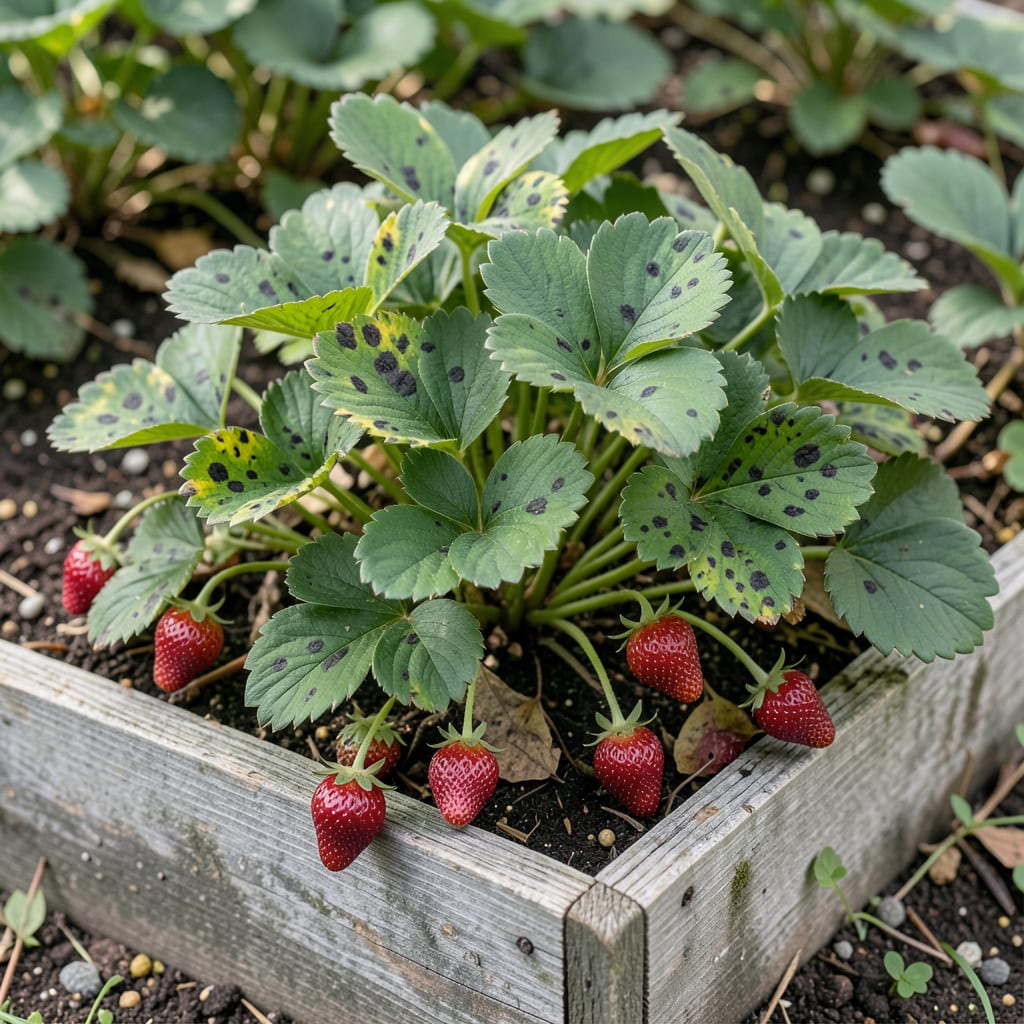
Those black spots on your strawberry plants aren’t just unsightly—they’re a warning sign. I’ve lost entire patches to this before learning how to spot the difference between leaf spot and anthracnose early.
The good news? Both are treatable if you act fast. I saved my June-bearing plants last season by catching the spots when they were still dime-sized. The key is removing affected leaves immediately and adjusting your watering routine.
You’ll see new growth return within 2-3 weeks with the right approach. Organic solutions like neem oil work surprisingly well, though copper fungicides are my backup for stubborn cases.
Works for both in-ground beds and container strawberries. Here’s exactly how to diagnose and fix it.
Black spots on strawberry plants are a distress signal, and understanding the root causes is key to saving your crop. Below are the most common culprits, each with a clear explanation to help you diagnose the issue.
The primary cause of black spots is fungal diseases, particularly Leaf Spot (Mycosphaerella fragariae) and Anthracnose (Colletotrichum spp.). These pathogens thrive in warm, humid conditions and spread via water splashes or contaminated tools. Fungal spores infect leaves, stems, or fruit, creating dark, sunken lesions that expand over time. Poor air circulation and overhead watering exacerbate the problem by keeping foliage wet.
Excess moisture is a breeding ground for trouble. Overwatering or poor soil drainage leads to waterlogged roots and stressed plants, making them vulnerable to infections. Strawberries prefer consistent but moderate moisture—soggy soil suffocates roots and invites fungal growth. Mulching with straw can help, but ensure it doesn’t trap excessive moisture against the crown.
A lack of essential nutrients, especially potassium or calcium, can weaken plant tissues, making them prone to spotting. Potassium deficiency often manifests as purple or black edges on leaves, while calcium shortages lead to blossom end rot—dark, sunken spots on fruit. Conduct a soil test to identify imbalances and amend with organic fertilizers like wood ash (for potassium) or crushed eggshells (for calcium).
Though less common, pests like spider mites or aphids can indirectly cause black spots. Their feeding weakens the plant, creating entry points for secondary fungal or bacterial infections. Inspect the undersides of leaves for webbing or tiny insects, and treat with neem oil or insecticidal soap if infestations are present.
Tackling black spots on strawberry plants starts with identifying the cause and applying targeted fixes. Here’s how to address common triggers and keep your plants thriving:
If the spots are circular with a yellow halo, it’s likely leaf spot or anthracnose. Prune infected leaves immediately and dispose of them in the trash (not compost). Follow up by spraying the plants with a copper-based fungicide or a homemade mix of 1 tsp baking soda + 1 quart water + a few drops of dish soap. Reapply every 7–10 days, especially after rain.
Prevention tip: 💡 Space plants 12–18 inches apart for airflow, and water at the base to keep foliage dry.
Black spots caused by sap-sucking pests like aphids or spider mites? Blast them off with a strong stream of water, then apply neem oil or insecticidal soap every 3–5 days until they’re gone. For severe infestations, introduce ladybugs or lacewings.
Prevention tip: 🎯 Encourage beneficial insects by planting companion flowers like marigolds or alyssum nearby.
Soggy soil leads to root rot and fungal growth. Let the top inch of soil dry between waterings, and ensure pots have drainage holes. Add a 2-inch layer of straw mulch to retain moisture without waterlogging.
Prevention tip: ✨ Water early in the day so excess moisture evaporates before evening.
Purple-tinged black spots? Your plants may lack phosphorus or potassium. Switch to a balanced fertilizer (10-10-10) or a strawberry-specific organic feed. Yellowing leaves with spots suggest nitrogen deficiency—side-dress with compost or a nitrogen-rich amendment.
Prevention tip: 🌡️ Test soil annually and amend as needed to maintain pH between 5.5 and 6.5.
Not always. While fungi like leaf spot are common, pest damage or nutrient deficiencies can also cause dark spotting. Check for webbing under leaves or purple edges to rule out mites or potassium shortages.
No. Toss them in the trash to prevent spores from spreading. Composting may not reach high enough temperatures to kill fungal pathogens, risking reinfection next season.
With proper treatment, new healthy growth appears in 2-3 weeks. Remove all spotted foliage first, then apply fungicide or adjust care. Consistent prevention keeps them spot-free long-term.
Neem oil works best as a preventative or for mild cases. For established fungal infections, use copper fungicide or baking soda spray instead. Always apply in the evening to avoid leaf burn.
