
Beautiful Plants For Your Interior
Beautiful Plants For Your Interior
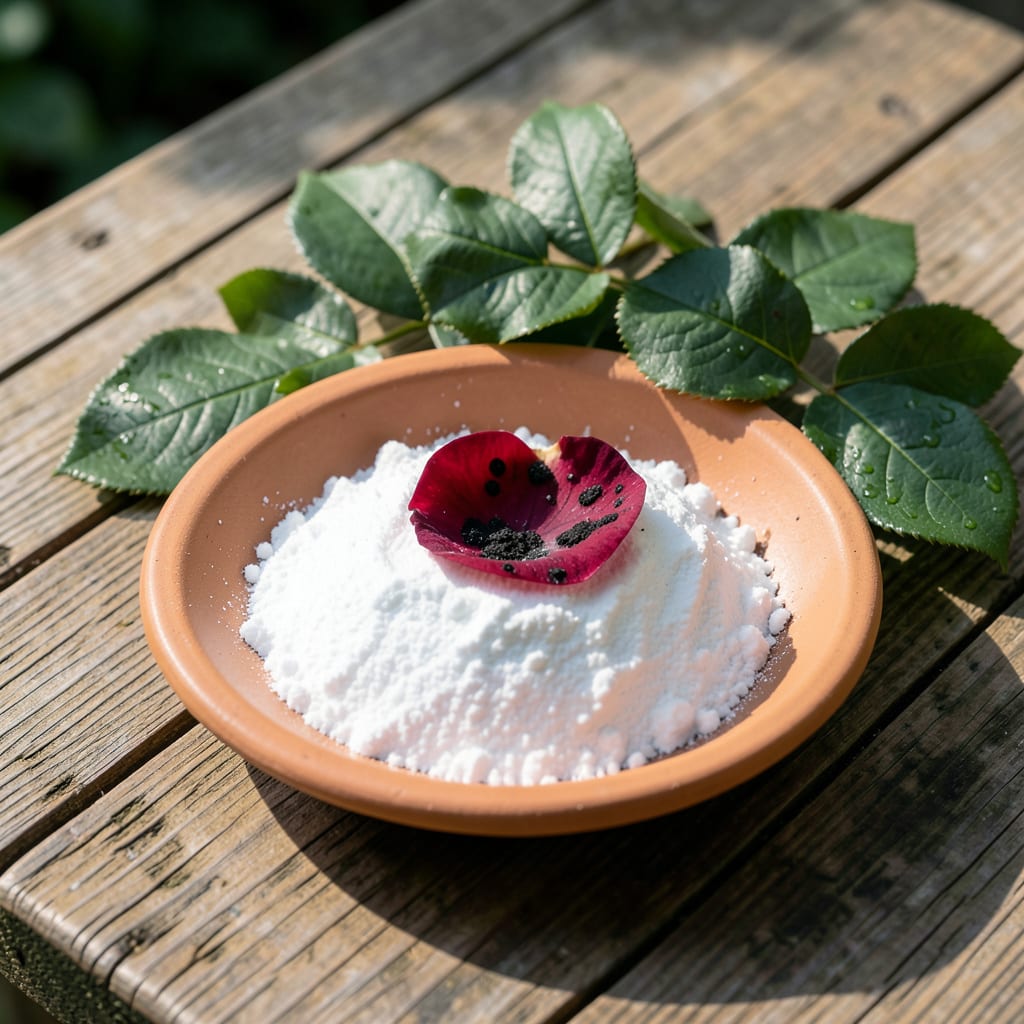
Those ugly black spots on your roses aren’t just unsightly—they’re a fungus spreading fast. I lost half my rose bushes to black spot one summer before discovering a simple household solution.
Baking soda creates an alkaline environment that stops the fungus in its tracks. It’s cheap, effective, and won’t harm your plants when mixed correctly. The treatment works best when applied early, before the disease takes over.
You’ll need just a few items from your kitchen and garden shed. Within 2-3 applications, you’ll see new growth emerging spot-free. The best part? It prevents future outbreaks too.
Works on all rose varieties, from climbers to shrubs. Here’s the exact method that saved my garden.
Black spots on roses, often called black spot disease, are primarily caused by the fungus Diplocarpon rosae. This pathogen thrives in warm, humid conditions, making roses especially vulnerable during wet seasons or in poorly ventilated gardens. 🌧️ Below are the key causes behind this common issue:
The main culprit is the Diplocarpon rosae fungus, which spreads through water splashes, contaminated tools, or infected plant debris. It germinates on rose leaves when moisture lingers for 7+ hours, creating dark, circular lesions with feathery edges. Without intervention, it weakens the plant by disrupting photosynthesis.
Overwatering, poor drainage, or high humidity create the perfect breeding ground for fungal spores. Roses watered overhead (especially in the evening) stay damp longer, accelerating spore growth. Densely planted gardens with limited airflow also trap moisture, exacerbating the problem.
Crowded rose bushes or thick foliage restrict airflow, preventing leaves from drying quickly. Stagnant air increases humidity around the plant, giving fungi like Diplocarpon rosae more opportunities to infect. Pruning for better ventilation is a critical preventive measure.
Roses deficient in key nutrients (e.g., potassium or phosphorus) are more susceptible to diseases, including black spot. Over-fertilizing with nitrogen, however, promotes lush but weak growth that’s easier for fungi to penetrate. Balanced fertilization strengthens plant resilience.
Black spots on roses are often caused by Diplocarpon rosae, a fungus that thrives in damp, poorly ventilated conditions. Here’s how to treat and prevent it using simple, organic solutions like baking soda, along with other practical fixes.
Mix 1 tablespoon of baking soda, 1 teaspoon of mild liquid soap, and 1 gallon of water in a spray bottle. Apply this solution to the affected leaves and stems every 5–7 days until the spots disappear. The baking soda disrupts the fungus’s growth, while the soap helps the mixture stick to the plant.
Prevention tip: 💡 Water roses at the base in the morning to allow foliage to dry quickly. Avoid overhead watering to reduce moisture on leaves.
If water sits on the leaves for too long, it creates a breeding ground for fungi. Switch to drip irrigation or a soaker hose to keep the foliage dry. If you must use a sprinkler, water early in the day so the sun can evaporate the moisture.
Prevention tip: 💡 Space your roses properly to improve air circulation, which helps leaves dry faster.
Fallen leaves and plant debris can harbor fungal spores. Rake and remove any dead leaves or petals around your roses regularly. Dispose of them in the trash—not the compost—to prevent re-infection.
Prevention tip: 💡 Apply a layer of mulch around the base of your roses to reduce soil splash, which can spread spores.
Dense foliage traps moisture and limits airflow, encouraging fungal growth. Prune affected leaves and stems immediately, cutting back to healthy tissue. Thin out crowded canes to allow light and air to reach the center of the plant.
Prevention tip: ✨ Choose disease-resistant rose varieties if black spot is a recurring issue in your garden.
Apply the mixture every 5–7 days until the black spots disappear. For prevention, continue spraying every 10–14 days during humid weather. Consistency is key to stopping fungal growth.
Soap helps the baking soda solution stick to leaves. Without it, the mix may wash off too quickly. Use 1 teaspoon of mild liquid soap per gallon for best results.
Spray early in the morning so leaves dry quickly in the sun. Avoid evening applications, as damp leaves overnight encourage fungal growth.
No, when mixed correctly (1 tablespoon per gallon), it’s safe. Overuse can raise soil pH, so stick to the recommended ratio.
