
Beautiful Plants For Your Interior
Beautiful Plants For Your Interior
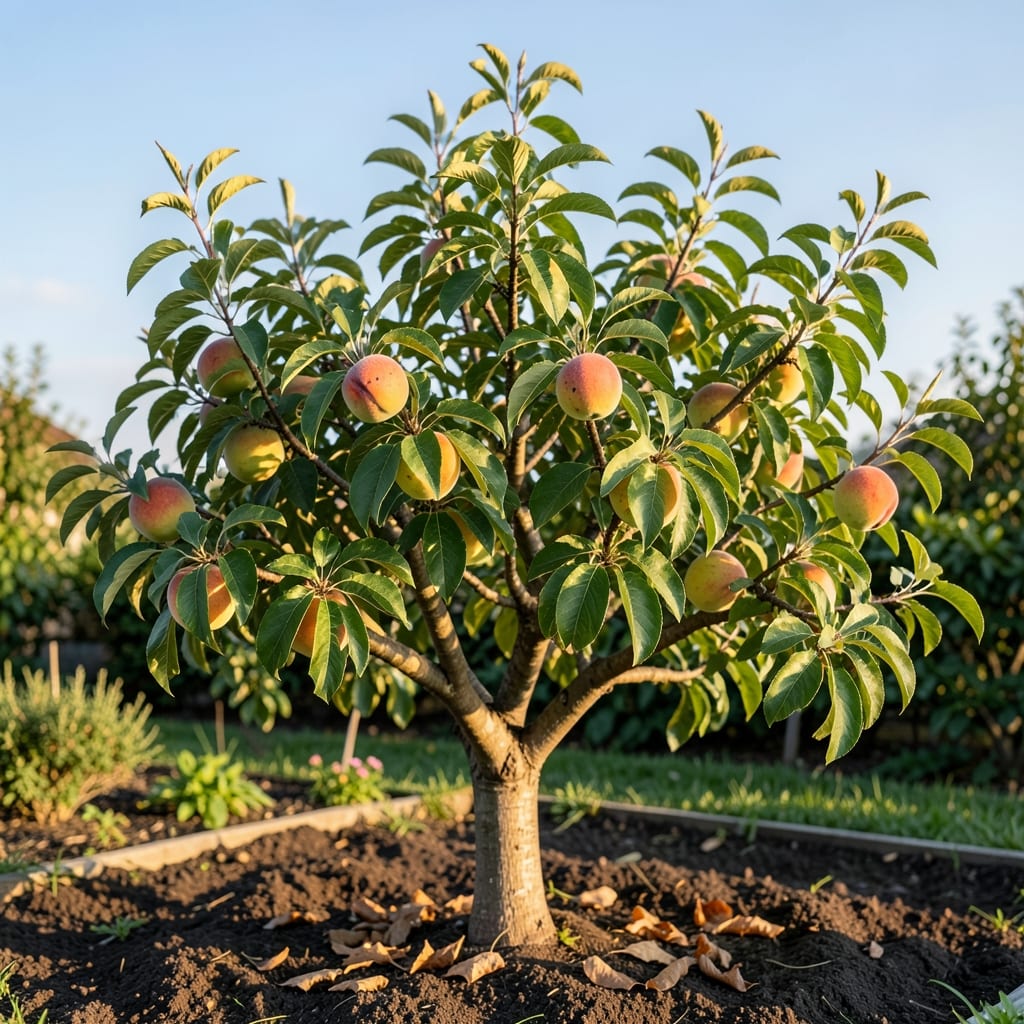
Small black spots on peaches are usually safe if the fruit smells fresh and the flesh is firm. Larger or sunken spots with mold or an off odor mean the peach should be discarded.
I often see these small dark marks caused by minor bruising or natural blemishes during growth. They’re harmless as long as you check for firm texture and a fresh scent. What matters most is the condition beneath the skin—cut open any questionable areas to confirm there’s no internal spoilage. 🔥
💡 In This Article
Those tiny dark specks often appear when peaches rub against each other during growth or harvesting. The friction damages surface cells, which then oxidize—similar to how an apple browns after cutting. These superficial blemishes don’t penetrate the flesh and pose no health risk. 🔥
Larger, irregular black patches usually signal fungal infections like brown rot. This fungus thrives in warm, humid conditions and can spread rapidly, causing the fruit to become mushy with an unpleasant sour smell. Unlike surface bruises, these spots often have a sunken appearance and may ooze liquid when pressed. ✨
Insect damage creates another type of black marking. Peach twig borers and oriental fruit moths lay eggs in the fruit, leading to small entry holes that later darken as the surrounding tissue dies. These spots are typically 1-3mm wide and may have a rough texture compared to smooth bruising. 💫
Natural ripening can also produce dark freckles, especially in varieties like ‘Redhaven’ or ‘Elberta’. These appear as the sugar content increases near full maturity. They’re uniformly distributed and don’t affect flavor or safety. Unlike decay spots, they won’t spread or deepen over time. ⚡
Environmental stress plays a role too. Extreme heat or hail can cause localized cell death that turns black. These spots are often accompanied by indentations in the skin. While unsightly, they’re harmless if the surrounding tissue remains firm and odor-free. 🌟
Not necessarily. If the spots are small and superficial, simply wash and eat as usual. Peeling only becomes important with larger or sunken discolorations where mold might be present beneath the skin.
Minor surface spots are perfect for pies, cobblers, or jams since cooking kills most surface bacteria. Just cut away any deeply affected areas first. The heat process makes them safe to enjoy.
Store peaches separately from other produce in a paper bag at room temperature. Check every 2-3 days and remove any showing new discoloration. Refrigerate once ripe to slow further development.
No, they vary by cause. Tiny specks from bruising are harmless, while large fuzzy patches indicate mold. Insect damage creates rough, 1-3mm holes. Natural ripening produces even freckles that don’t spread.