
Beautiful Plants For Your Interior
Beautiful Plants For Your Interior
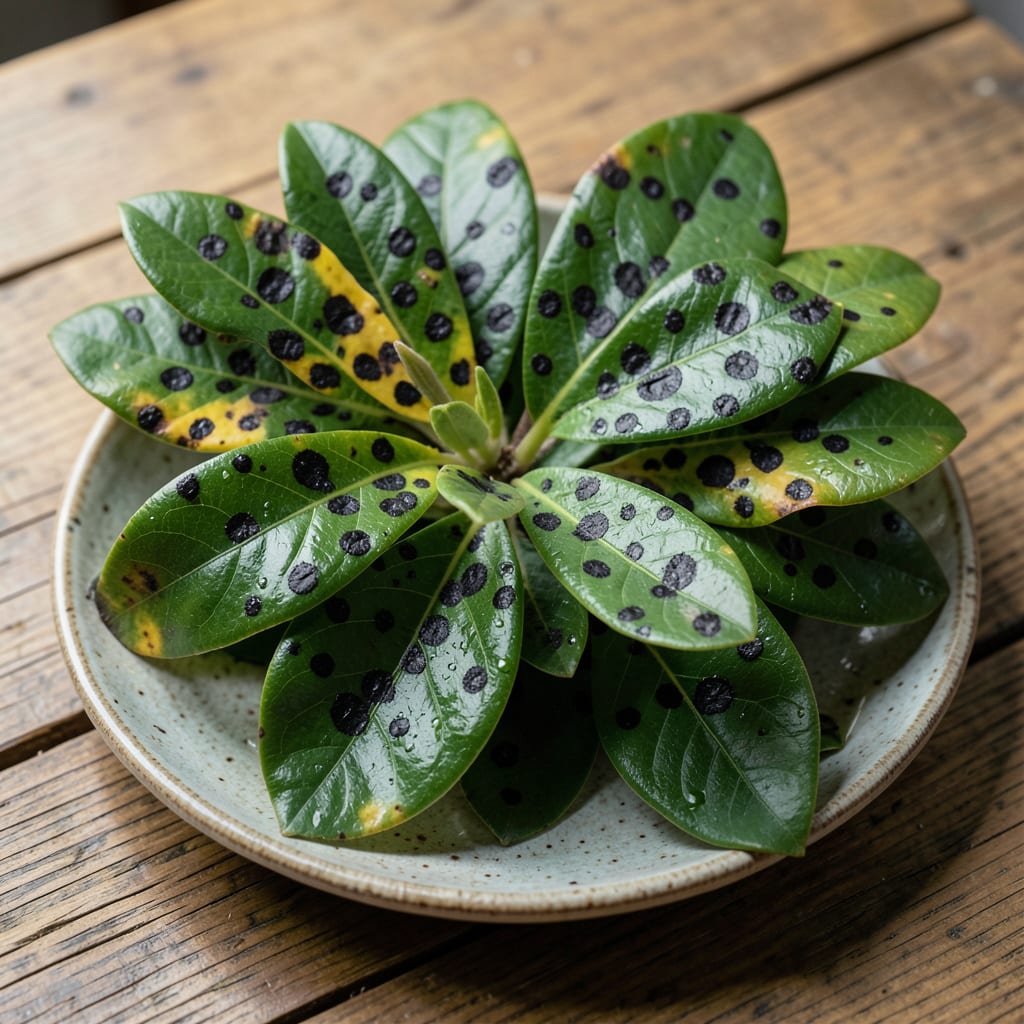
Those dark splotches on your azalea leaves aren’t just unsightly—they’re a warning sign. I’ve seen healthy shrubs turn patchy overnight, and the culprit is usually hiding in plain sight: too much moisture, poor air flow, or a sneaky fungal guest.
Here’s the thing—most black spots start with overhead watering or crowded branches trapping humidity. Left unchecked, they spread fast, weakening the plant and ruining next year’s blooms. The fix often starts with your watering can and pruning shears.
With a few simple adjustments—better drainage, morning watering, and removing affected leaves—you can stop the spread in its tracks. Prevention is easier than cure, and healthy azaleas bounce back surprisingly fast.
Works for potted plants too. No fancy sprays required, just consistent care and a watchful eye.
Black spots on azalea leaves are often a sign of underlying issues, ranging from fungal infections to environmental stress. Here’s a breakdown of the most common causes:
Fungi like Cercospora and Colletotrichum thrive in warm, humid conditions, leading to dark, circular lesions on leaves. These pathogens spread through water splashes or contaminated tools, often starting as small spots that expand over time.
Excess moisture on foliage, especially from sprinklers or rain, creates a perfect breeding ground for fungi. Azaleas prefer consistent moisture at the root level, not on their leaves. Prolonged leaf wetness accelerates spore germination.
Extreme temperatures, poor air circulation, or sudden changes in light exposure can weaken azaleas, making them susceptible to diseases. High humidity combined with poor drainage often exacerbates fungal growth.
Insects like lace bugs or aphids pierce leaf tissues, creating entry points for pathogens. Their feeding damage can also mimic fungal spots, so inspect leaves closely for tiny pests or their residue.
Imbalances in soil nutrients, particularly iron or magnesium, can cause leaf discoloration that may resemble fungal spots. A soil test can help identify deficiencies before they progress.
Tackling black spots on azalea leaves starts with identifying the root cause. Below are targeted solutions for the most common culprits, along with prevention tips to keep your azaleas thriving. 🌿
Fix: Remove and destroy infected leaves to prevent the fungus from spreading. Apply a copper-based fungicide or neem oil to the plant, following the product’s instructions. For severe cases, use a systemic fungicide like propiconazole.
Prevention: Improve air circulation by pruning dense foliage. Water at the base of the plant (not overhead) to keep leaves dry. Mulch with pine bark to deter fungal spores.
Fix: Spray leaves with insecticidal soap or horticultural oil to smother pests. For stubborn infestations, use a systemic insecticide like imidacloprid.
Prevention: Encourage natural predators (e.g., ladybugs) by planting companion flowers. Inspect leaves regularly, especially the undersides, for early signs of pests.
Fix: Let the soil dry slightly between waterings. If root rot is suspected, trim affected roots and repot the azalea in fresh, well-draining acidic soil mix (pH 4.5–6.0).
Prevention: Use containers with drainage holes or amend garden soil with compost and perlite. Avoid waterlogging by checking soil moisture with your finger before watering.
Fix: Move potted azaleas to a spot with dappled shade. For nutrient deficiencies, apply a balanced, acid-loving plant fertilizer (e.g., 10-10-10 for azaleas) and test soil pH.
Prevention: Protect plants from harsh afternoon sun. Feed azaleas in early spring and again after blooming to maintain vigor.
💡 Pro Tip: Always sterilize pruning tools with rubbing alcohol between cuts to avoid spreading disease.
They often signal fungal infections or pest damage. Fungi thrive in damp conditions, while pests like lace bugs create entry points for disease. Check for humidity issues or tiny insects first.
Excess moisture on leaves promotes fungal growth. Always water at the base and ensure good drainage to keep foliage dry.
Remove affected leaves immediately and improve air circulation. Use a copper fungicide for severe cases, and avoid overhead watering.
Yes, but only if done correctly. Prune to increase airflow and remove diseased branches, but sterilize tools between cuts to avoid contamination.
