
Beautiful Plants For Your Interior
Beautiful Plants For Your Interior
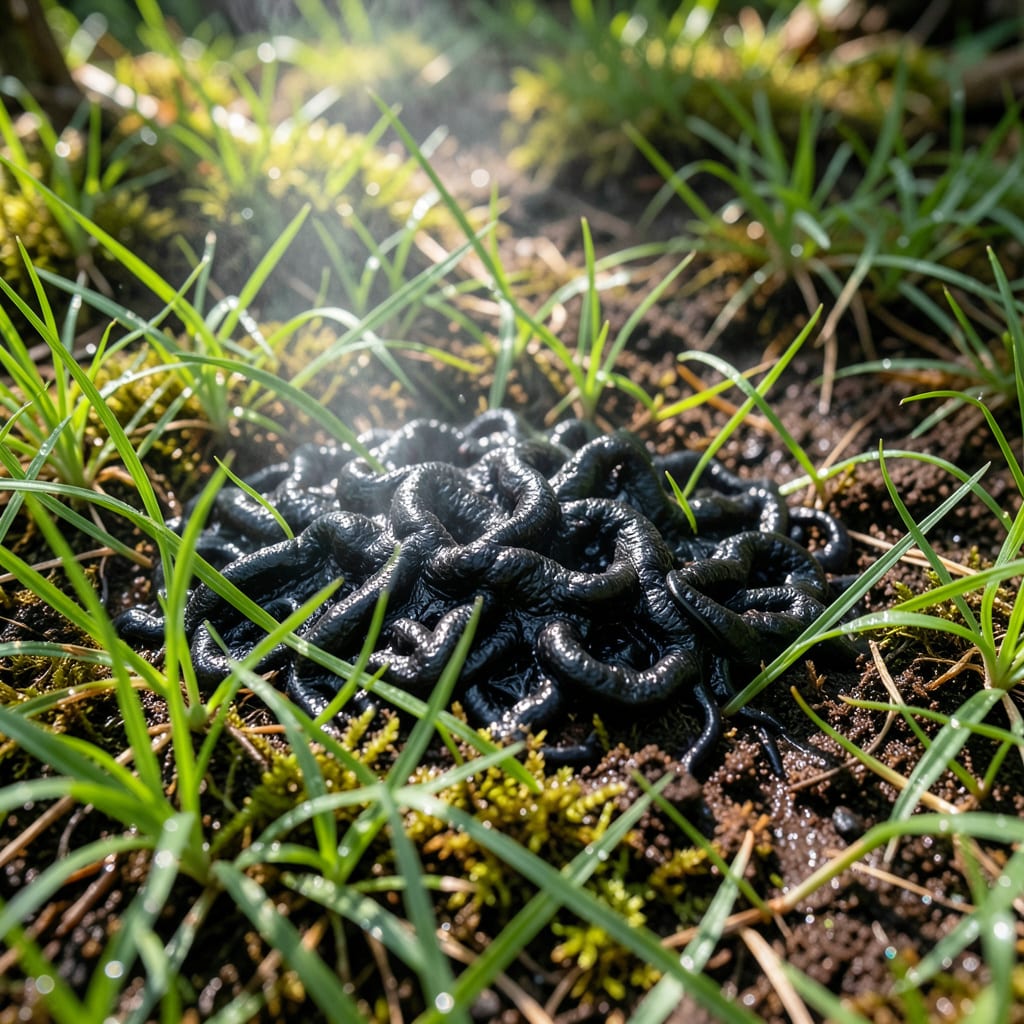
Black slime mold in your lawn looks alarming, but it’s not as bad as it appears. I first noticed it during a particularly wet spring, and my initial panic turned to relief once I understood what it actually was.
This issue thrives in damp, shaded areas where grass stays wet for 24+ hours. It doesn’t kill the grass but can block sunlight and look terrible. The good news is it’s temporary and won’t spread like a disease.
Natural removal is straightforward—just rake it up when it’s dry. For prevention, improving drainage and reducing shade makes all the difference. I’ve kept my lawn clear for 3 seasons now with these simple steps.
Works for any grass type in any climate. Here’s exactly how to handle it without harsh chemicals.
Black slime mold in grass is a common but often misunderstood issue. This dark, slimy substance isn’t actually a fungus—it’s a primitive organism called Fuligo septica, also known as “dog vomit slime mold.” It thrives in specific environmental conditions, and understanding these triggers can help you prevent and manage its appearance.
Slime molds love damp environments. Heavy rainfall, overwatering, or poor drainage creates the perfect breeding ground. Grass that stays wet for extended periods gives the mold spores a chance to germinate and spread. If your lawn has low-lying areas or compacted soil that traps water, you’re more likely to see black slime mold take hold.
Decaying leaves, grass clippings, and other organic matter provide food for slime molds. When these materials accumulate on your lawn, they create a nutrient-rich layer that fuels the growth of Fuligo septica. Regularly raking and removing debris can significantly reduce the chances of an outbreak.
Slime molds are most active in temperatures between 50°F and 70°F (10°C–21°C) with high humidity. Spring and early summer often see spikes in slime mold growth because these conditions are ideal for spore development. If your region experiences prolonged warm, muggy weather, your lawn may be at higher risk.
A weak or thin lawn struggles to compete with slime mold. Compacted soil, low fertility, or sparse grass coverage create gaps where slime mold can establish itself. Aerating your lawn, improving soil quality, and overseeding can help strengthen your grass and make it less hospitable to slime mold.
Tackling black slime mold in your grass starts with identifying the root cause and applying the right fix. Here’s how to address the most common issues:
If your lawn stays soggy, focus on drainage. Aerate compacted soil with a garden fork or core aerator to let water flow away from the grass roots. For low-lying areas, consider installing a French drain or adding topsoil to level the ground. Pro tip: Water your lawn early in the morning so the sun can dry excess moisture during the day.
Slime mold thrives in decomposing leaves, grass clippings, and thatch. Rake up debris regularly, especially in fall and spring. Use a thatch rake or dethatching machine if the layer exceeds ½ inch. Bag clippings after mowing if the lawn is prone to mold. Prevention: Mulch leaves thinly with a lawn mower instead of letting them pile up.
Dense grass or overhanging trees block airflow, creating a humid microclimate. Trim back tree branches and thin out thick grass patches to improve circulation. For shaded areas, choose shade-tolerant grass varieties like fine fescue. Pro tip: Mow slightly shorter in shaded spots to reduce moisture retention.
Weak soil encourages mold growth. Test your soil’s pH and nutrients, then amend with compost or organic matter to improve its structure. Over-seed bare spots to prevent mold from taking hold. Prevention: Apply a thin layer of compost (¼ inch) annually to maintain soil health.
Bonus: If mold persists, apply a natural fungicide like neem oil or baking soda solution (1 tbsp baking soda + 1 gallon of water + a few drops of dish soap). Spray in the early morning for best results.
No, it’s completely harmless to grass, pets, and people. It just looks unsightly. The mold doesn’t damage grass blades or roots, and animals can safely walk on affected areas.
Once dry, it typically vanishes within 1-2 weeks. Raking speeds up removal, while improving drainage prevents recurrence.
Yes! Aerate compacted soil, remove debris weekly, and water before 10 AM. These steps reduce moisture that triggers growth.
Chemical fungicides aren’t necessary. This isn’t a true fungus, so natural methods like raking or baking soda spray work better.
