
Beautiful Plants For Your Interior
Beautiful Plants For Your Interior
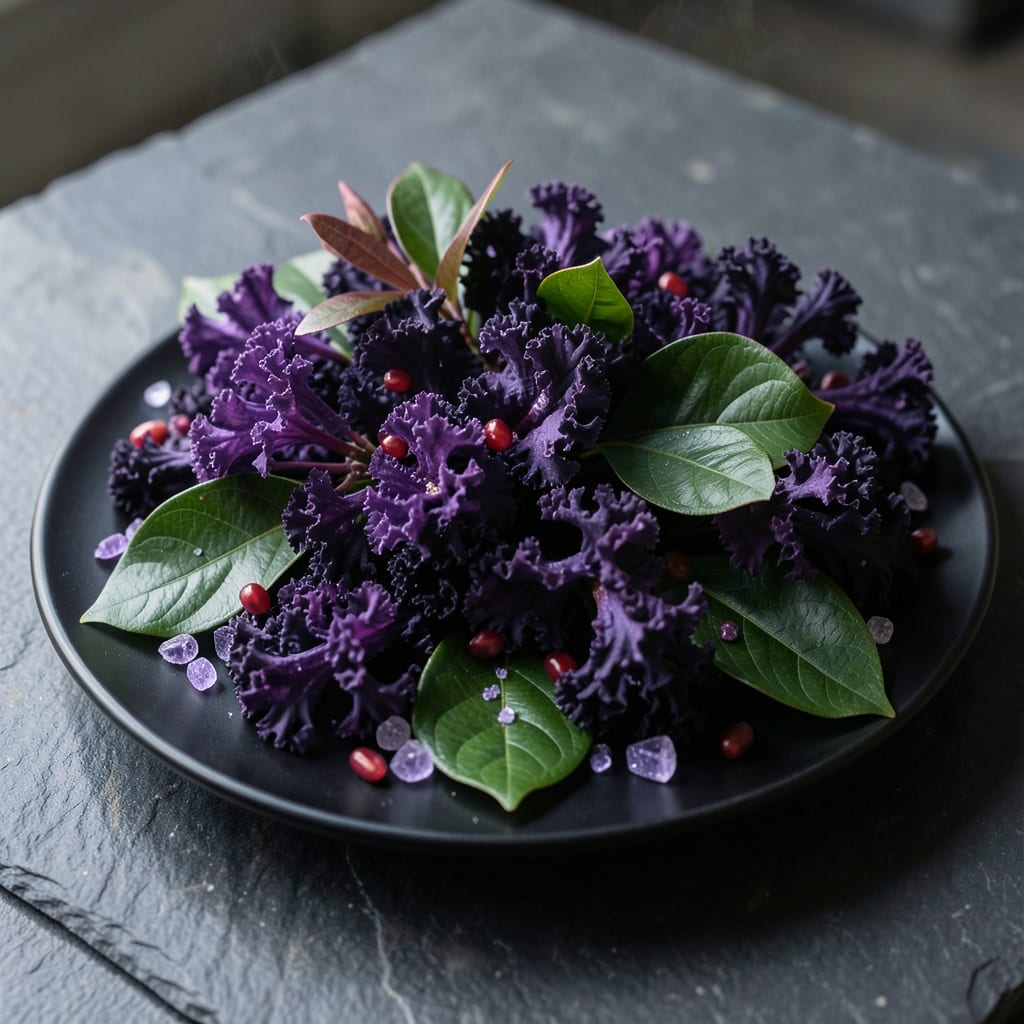
Deep purple blooms that stop traffic in summer heat. Black Magic crape myrtle delivers drama with minimal effort, transforming any yard into a vibrant showcase.
I’ve watched these shrubs thrive in full sun with basic care—just water weekly the first year, then let drought tolerance take over. The deep purple flowers and dark foliage create a bold contrast that lasts for months.
📚 In This Guide
This proven method ensures vibrant blooms and healthy growth for years to come.
Select a site with full sun exposure—this variety thrives on 6+ hours of direct sunlight daily. The soil should drain well; avoid low spots where water pools after rain. I always test drainage by digging a 12-inch deep hole, filling it with water, and checking if it drains within 2-3 hours.
Space multiple plants 8-10 feet apart to accommodate mature width. If planting near a structure, position it at least 6 feet from foundations to prevent root damage. The location should also allow for easy viewing—those deep purple blooms deserve to be admired.
Dig a hole that’s twice as wide as the root ball but no deeper. A wider hole encourages roots to spread outward, establishing faster. I loosen the soil at the sides of the hole with a garden fork to help roots penetrate the surrounding earth.
Remove the plant from its container and gently tease apart any circling roots. If the root ball is densely packed, make 3-4 vertical cuts with a sharp knife to stimulate outward growth. This step prevents girdling, which can stunt or kill the plant over time.
Place the root ball in the hole so the top sits 1-2 inches above the surrounding soil level. This slight mound helps prevent water from pooling around the trunk. Backfill with the native soil you removed, breaking up any large clumps as you go.
Tamp the soil lightly as you fill to eliminate air pockets, but don’t press too hard—you want the soil firm enough to support the plant but loose enough for roots to grow. Water thoroughly with 5-10 gallons to settle the soil and remove air gaps around the roots.
Apply a 2-3 inch layer of organic mulch (like wood chips or pine bark) around the base, keeping it 6 inches away from the trunk to prevent rot. Mulch conserves moisture, suppresses weeds, and insulates roots from temperature swings.
Water deeply 2-3 times per week for the first 6-8 weeks, then reduce to once weekly unless rainfall is scarce. The goal is consistent moisture without waterlogging. You’ll know it’s working when the soil feels damp 3-4 inches down but never soggy.
Wait until late winter or early spring to prune, just before new growth starts. Remove any crossing or inward-growing branches first, then shape the plant by cutting back one-third of the previous year’s growth. This encourages vigorous new stems, which produce the most abundant blooms.
Avoid heavy pruning in fall, as it can stimulate tender new growth that won’t harden off before winter. Always use clean, sharp pruners and make cuts at a 45-degree angle just above a bud or branch junction. This technique promotes quick healing and reduces disease risk.
Let me share what I’ve learned through trial and error to help your plant thrive.
Sunlight Requirement: The 6+ hours of direct sunlight daily in Step 1 isn’t just a suggestion—it’s critical for those deep purple blooms. I’ve tried planting in partial shade, and the difference in flower production and vibrancy is dramatic. Full sun exposure ensures the most abundant and colorful display.
Drainage Test: Don’t skip the drainage test mentioned in Step 1. That 12-inch deep hole should drain within 2-3 hours—if it doesn’t, your soil may need amending. I learned this the hard way when one of my early plantings suffered from root rot in poorly draining soil.
The Planting Height: In Step 3, placing the root ball 1-2 inches above the surrounding soil is a game-changer. This slight mound prevents water from pooling around the trunk, which can lead to rot. I’ve seen many gardeners make the mistake of planting too deep, which can stunt growth or even kill the plant over time.
Pruning Precision: When you get to Step 5, those 45-degree angle cuts aren’t just for aesthetics—they promote quick healing and reduce disease risk. Also, cutting back one-third of the previous year’s growth encourages the vigorous new stems that produce the most blooms. Timing matters too: late winter or early spring is ideal, as fall pruning can stimulate tender growth that won’t survive winter.
Plant in early spring or fall to allow roots to establish before extreme heat or cold. Avoid summer planting in hot climates to reduce stress on the tree.
This variety typically reaches 10–12 feet tall with a 6–8-foot spread. Regular pruning can help maintain a smaller size if needed.
Consider ‘ Dynamite’ (red blooms) or ‘Natchez’ (white blooms) for similar drama. For smaller spaces, try dwarf varieties like ‘Pocomoke’ or ‘Chickasaw.’
Lack of blooms can stem from too much shade, over-fertilizing (especially high nitrogen), or improper pruning. Ensure it gets full sun and prune in late winter.
Mulch heavily around the base to insulate roots. In colder zones, wrap young trees in burlap. Prune only after the last frost to avoid cold damage.
