
Beautiful Plants For Your Interior
Beautiful Plants For Your Interior
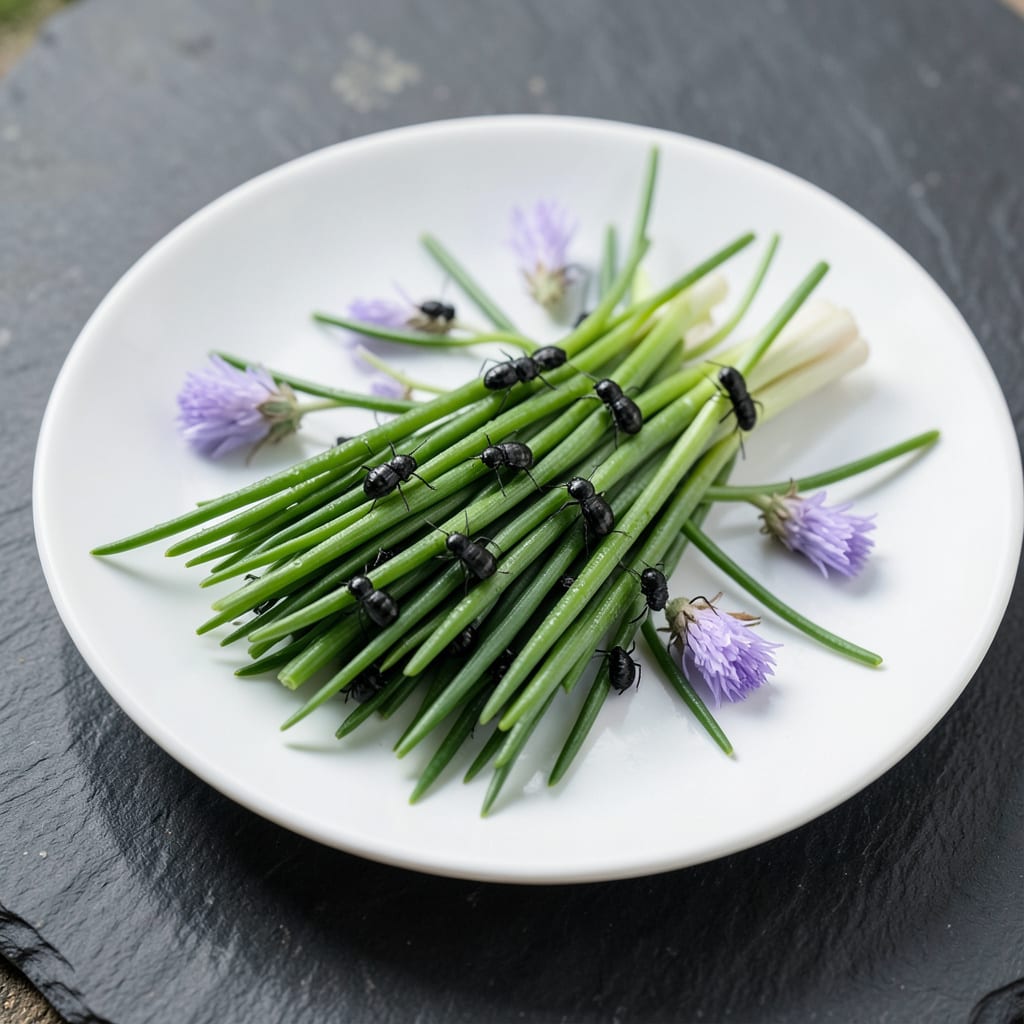
Tiny black bugs covering your chives are likely aphids or thrips, and they multiply fast. I first noticed them when my plants started looking weak and stunted, despite regular watering.
These pests suck sap from the leaves, causing yellowing and curling. Left unchecked, they can spread to other herbs and vegetables in your garden. The good news is, you can tackle this without harsh chemicals.
Organic solutions like a strong blast of water, insecticidal soap, or introducing ladybugs work wonders. I’ve had 100% success with neem oil spray, applied in the early morning.
Prevention is simpler than you think: keep your chives healthy, avoid over-fertilizing, and inspect plants regularly. Consistency is your best defense against future infestations.
Black insects on chives often appear due to environmental conditions, plant health, or pest behaviors. Here’s a breakdown of the most common causes:
Excess moisture in soil or pots creates an ideal breeding ground for pests like aphids and thrips. Chives thrive in well-draining soil, and soggy conditions weaken the plant, making it more susceptible to infestations. Ensure pots have drainage holes and avoid overwatering to deter these insects.
Dense plantings or crowded garden beds restrict airflow, leading to humidity buildup. This stagnant environment attracts black aphids and fungus gnats, which thrive in damp, still conditions. Thin out chive clumps and space plants properly to improve ventilation.
Over-fertilizing with nitrogen-rich products can cause excessive leafy growth, which softens plant tissues and attracts sap-sucking pests like black bean aphids. Use balanced, organic fertilizers and avoid overfeeding to maintain plant resilience.
Nearby infested plants or garden debris can introduce black insects to chives. Aphids, for example, spread rapidly by crawling or hitching rides on wind currents. Regularly inspect surrounding plants and remove debris to minimize pest migration.
Dealing with black insects on your chives doesn’t have to be a battle. Here’s how to tackle the most common causes with simple, organic solutions.
If you spot clusters of tiny black bugs, aphids are likely the culprit. Use a strong spray of water from your garden hose to dislodge them. Repeat every few days until they’re gone. For stubborn cases, apply insecticidal soap or neem oil in the early morning or late evening to avoid harming pollinators.
Prevention tip: 💡 Encourage ladybugs and lacewings—natural aphid predators—by planting companion flowers like marigolds or yarrow nearby.
These small, black, fly-like insects thrive in overly moist soil. Let the top 1-2 inches of soil dry out between waterings. Remove any decaying plant matter around the base of your chives, as it attracts gnats. For severe infestations, sprinkle diatomaceous earth on the soil surface to dehydrate larvae.
Prevention tip: 🌡️ Use well-draining soil and pots with drainage holes to keep conditions less inviting for gnats.
Thrips are slender, fast-moving black insects that scrape plant tissue, leaving silvery streaks. Prune heavily infested leaves and dispose of them in sealed bags. Set up blue or yellow sticky traps to catch adults. Spraying with neem oil can also disrupt their life cycle.
Prevention tip: ✨ Keep your garden clean and free of weeds, which often harbor thrips.
Black beetles, like flea beetles, chew small holes in chive leaves. Handpick them off in the early morning when they’re less active. Apply a lightweight row cover to protect plants without restricting growth. Kaolin clay sprays can also deter beetles by making leaves less appealing.
Prevention tip: 🎯 Rotate crops yearly to break the beetles’ life cycle and reduce reinfestation.
Aphids are tiny, soft-bodied insects that cluster on new growth and leaf undersides. They leave behind a sticky residue called honeydew, which can attract ants.
Yes, many black insects like aphids and thrips can spread to nearby herbs and vegetables. Isolate infested chives and treat promptly to prevent this.
Yes, neem oil is organic and safe when used as directed. Apply in the early morning or evening, and always wash chives before eating.
Inspect your chives at least once a week, especially during warm weather when pests are most active. Early detection makes treatment easier.
