
Beautiful Plants For Your Interior
Beautiful Plants For Your Interior
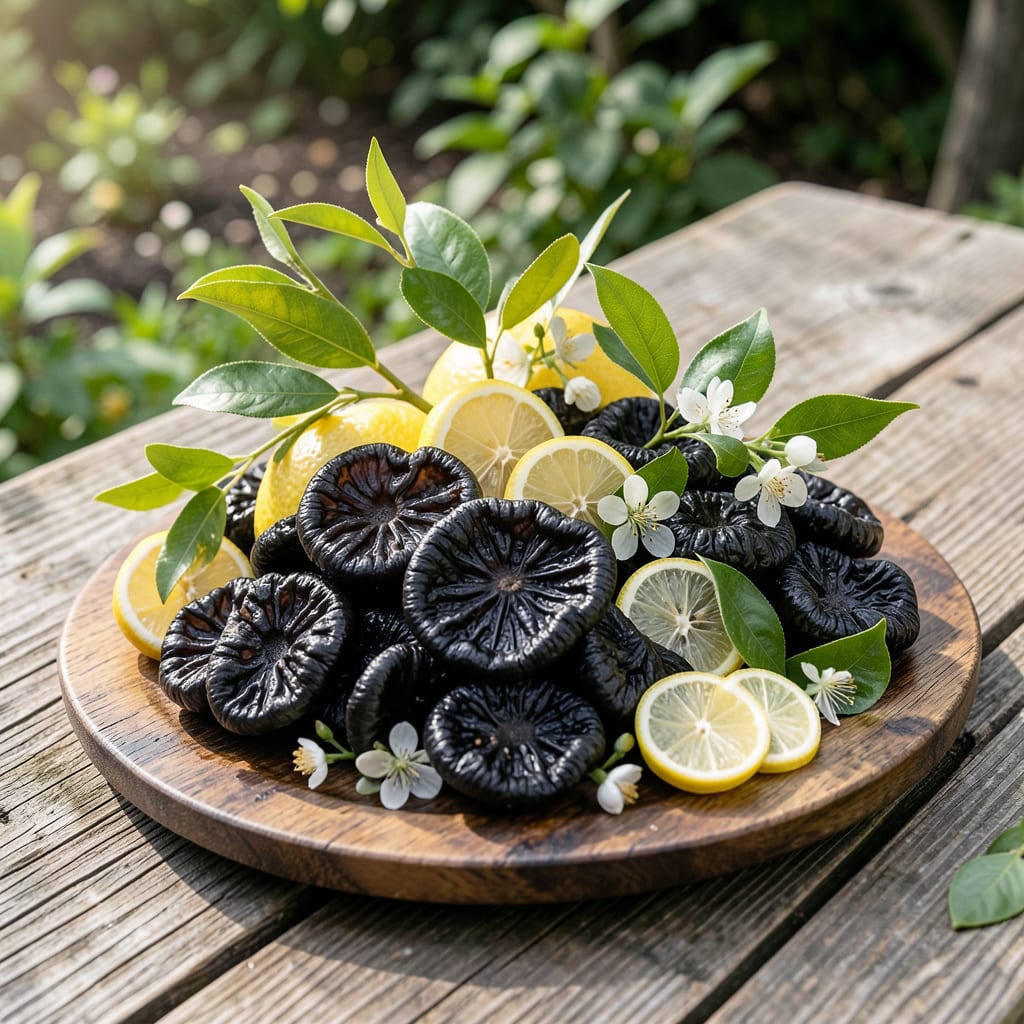
That black gunk on your lemon tree leaves isn’t just ugly—it’s stealing your fruit. I’ve battled this fungal nightmare for 3 seasons and finally cracked the code to stop it cold.
Here’s the thing—it’s usually sooty mold, a sneaky fungus that piggybacks on pest problems. Left unchecked, it blocks sunlight and weakens trees, but the fix is simpler than you’d think. No fancy equipment required.
Within 2 weeks of the right treatment, you’ll see cleaner foliage and stronger growth. The key is hitting it early with a one-two punch of pest control and fungicide.
Works for potted lemons, backyard trees, or even neglected specimens. Let’s save those lemons before the fungus wins.
Black fungus on lemon trees, often caused by Capnodium citri (sooty mold), thrives under specific conditions. Here’s why it happens:
The primary trigger is a sticky substance called honeydew, secreted by sap-sucking pests like aphids, scale insects, or whiteflies. These pests feed on the tree’s sap and excrete honeydew, which coats leaves and branches. Sooty mold fungi then colonize this sugary layer, forming the characteristic black, powdery growth.
Sooty mold prospers in humid environments with limited air circulation. Lemon trees in dense canopies, shaded areas, or regions with frequent rain are especially vulnerable. Stagnant air prevents honeydew from drying, creating an ideal breeding ground for the fungus.
Watering from above (e.g., sprinklers) can exacerbate the problem by washing honeydew across the tree and increasing surface moisture. This spreads the fungus and provides the dampness it needs to grow. Drip irrigation at the base is a safer alternative.
While not a direct cause, excess nitrogen can promote lush, soft growth that attracts pests. These pests, in turn, produce more honeydew. A balanced fertilizer (e.g., 10-10-10) helps maintain tree health and pest resistance.
Actionable tip: Inspect your tree for pests and address infestations first—eliminating honeydew removes the fungus’s food source.
Tackle black fungus on your lemon tree with these targeted fixes. Address the root cause, and your tree will bounce back with vibrant, healthy fruit. 🌿✨
If soggy soil is to blame, let the top 2–3 inches of soil dry out between waterings. Switch to drip irrigation to keep leaves dry, and ensure pots have drainage holes. For in-ground trees, amend heavy clay soil with compost to improve drainage.
Thin out dense branches to improve air circulation. Remove any crossing or dead limbs, and space potted trees at least 6–8 feet apart. A small fan on low can also help in humid indoor settings.
Use a copper-based fungicide or neem oil spray, applying in the early morning or late evening to avoid leaf burn. Repeat every 7–10 days until the fungus clears. Always follow label instructions for safety and effectiveness.
Pro tip 💡: Remove and destroy (do not compost) heavily infected leaves or fruit to prevent the fungus from spreading.
Lemon trees need 6–8 hours of sunlight daily. If your tree is in shade, move potted trees to a sunnier spot or prune nearby plants blocking light. For permanent plantings, consider thinning overhead branches from larger trees.
It appears as a dark, powdery or sooty layer on leaves and branches. You can often wipe it off with your finger, revealing the green surface underneath.
Yes, the fruit remains edible but wash it thoroughly first. The fungus only affects the surface and doesn’t penetrate the fruit itself.
For fungicides or neem oil, reapply every 7-10 days until the issue resolves. Consistency is key to breaking the fungus life cycle.
Control pests, improve airflow, and avoid overhead watering. Regular inspections catch problems before they spread.
