
Beautiful Plants For Your Interior
Beautiful Plants For Your Interior
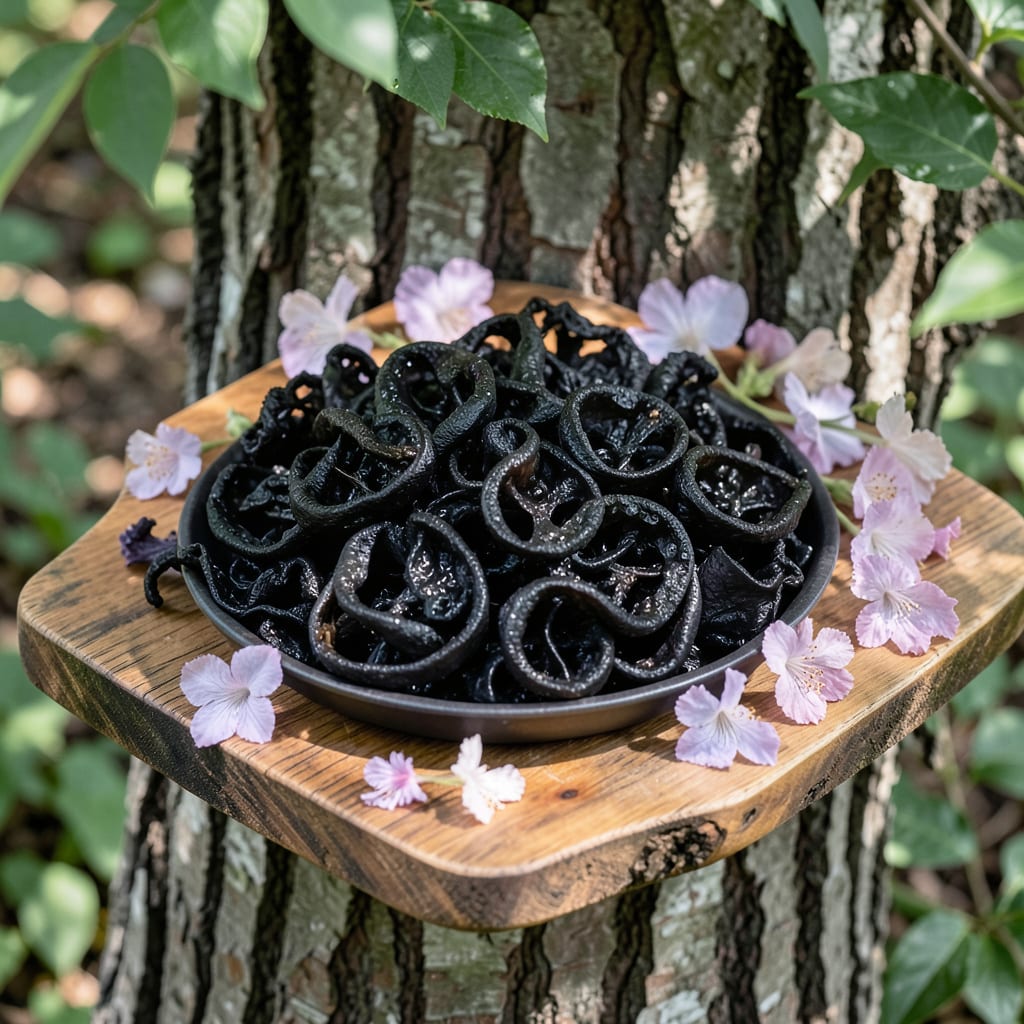
My crape myrtles looked like they’d been dusted with soot last summer. Black fungus isn’t just ugly—it signals your trees are stressed and struggling to thrive.
This isn’t a death sentence though. I’ve cleared it up with organic sprays and better air circulation. The key is catching it early before it spreads to every branch.
You’ll see clean, vibrant bark return within 2-3 weeks of treatment. The real win is preventing it from coming back next season with simple habitat adjustments.
Works for established trees and new plantings alike. Here’s exactly how to tackle it without harsh chemicals.
Black fungus on crape myrtles, often sooty mold, thrives under specific conditions. Here’s why it happens and how to address the root causes.
The primary culprit is honeydew—a sticky waste secreted by sap-sucking insects like aphids, scale, and whiteflies. This sugary residue coats leaves and branches, creating the perfect feeding ground for sooty mold fungi (Capnodium spp.). Without pest control, the cycle continues: more pests mean more honeydew, which fuels fungal growth.
Sooty mold spores germinate in moist, stagnant environments. Overcrowded branches, dense canopies, or shaded areas trap humidity, accelerating fungal spread. Crape myrtles in poorly ventilated spaces (e.g., near walls or fences) are especially vulnerable. Pruning for airflow disrupts this ideal habitat.
Frequent overhead irrigation keeps foliage wet, promoting spore attachment and growth. Unlike ground-level watering, sprinklers that drench leaves extend the window for infection. Switching to drip irrigation or watering early in the day (allowing leaves to dry) reduces risk.
While not a direct cause, excess nitrogen can trigger lush, soft growth that’s more susceptible to pests—and thus, sooty mold. Balanced fertilization (with adequate phosphorus and potassium) strengthens plant resilience. A soil test can reveal deficiencies driving vulnerability.
Actionable takeaway: Tackle the root cause (e.g., pests, moisture) to break the fungal cycle naturally.
Tackling black fungus on your crape myrtle starts with pinpointing the root cause. Here’s a clear, step-by-step guide to address the most common issues and keep your tree thriving.
If you’re watering from above, switch to a soaker hose or drip irrigation to keep leaves dry. Water early in the morning so foliage dries quickly in the sun. This reduces the damp conditions that sooty mold loves. Prevention tip: Always aim water at the base of the plant, not the leaves.
Black fungus often feeds on honeydew left by aphids, scale, or whiteflies. Spray affected areas with insecticidal soap or neem oil to wipe out pests. For severe cases, use horticultural oil. Prevention tip: 💡 Regularly inspect leaves and stems for pests—catch them early!
Thick canopies trap moisture, creating a breeding ground for fungus. Thin out crowded branches to improve airflow. Trim lower branches to allow sunlight to penetrate. Prevention tip: Plant crape myrtles with enough space (6–10 feet apart) to ensure good ventilation.
For mild cases, wipe leaves with a damp cloth and mild soap. For heavier infestations, use a fungicide labeled for sooty mold,
With these targeted fixes and a little consistency, your crape myrtle will shake off the black fungus and flourish. Stay proactive, and your garden will thank you! 🌿
Yes, a mild solution of 1 teaspoon dish soap per quart of water works well for light cases. Gently wipe leaves with a soft cloth, then rinse. This removes sooty mold without harming the plant.
Check leaves and stems weekly during growing season. Look for sticky residue or tiny insects. Early detection prevents honeydew buildup that leads to black fungus.
Not if you address the root cause. Control pests, improve airflow, and avoid overhead watering. With these steps, most gardeners see no recurrence.
Yes, neem oil disrupts the life cycle of aphids and scale. Apply every 7-10 days during active pest periods for best results. Always spray in the evening.
