
Beautiful Plants For Your Interior
Beautiful Plants For Your Interior
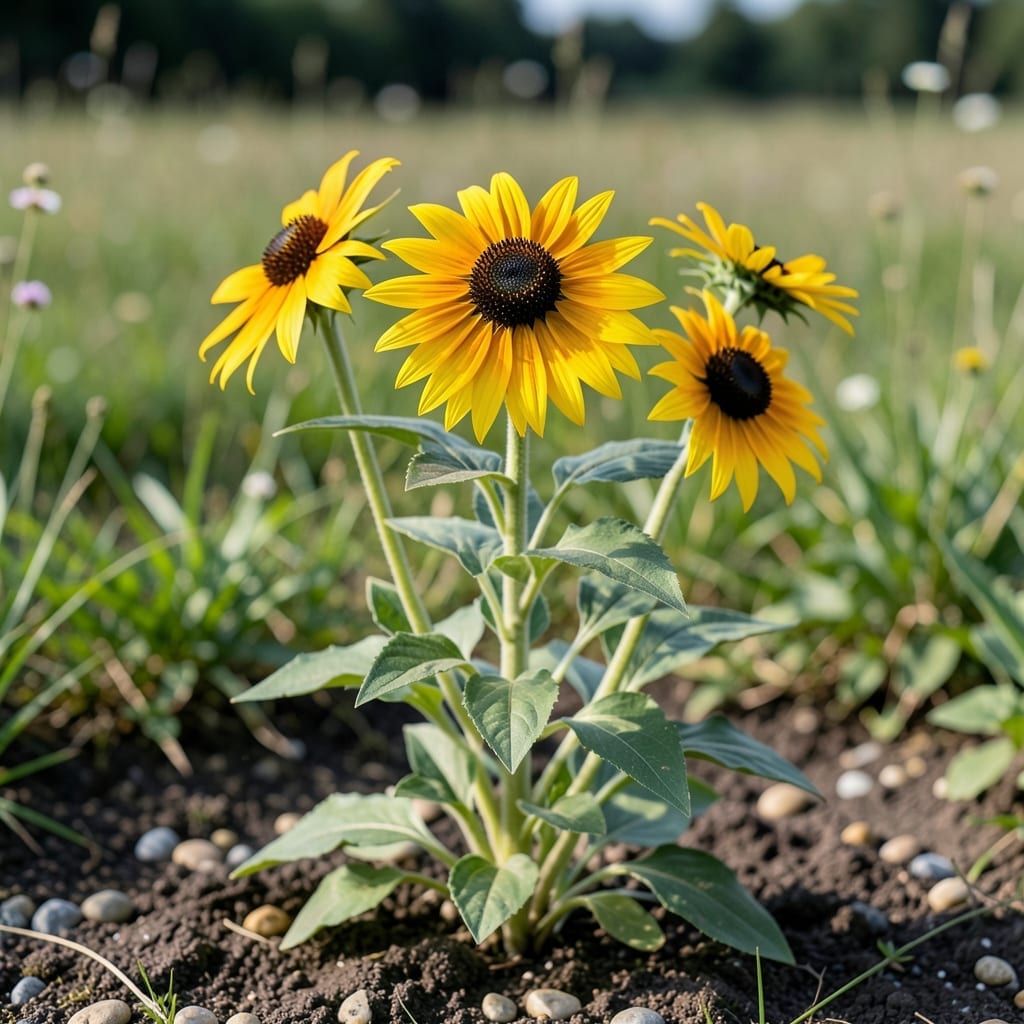
There’s nothing quite like watching cheerful 🌻 Black Eyed Susan blooms light up a garden. These hardy flowers bring vibrant color when you need it most, but timing their display takes a little know-how.
I’ve learned that understanding their natural rhythm makes all the difference. From early summer through fall, these perennials can keep your garden glowing with minimal effort.
Discover how to align their bloom time with your garden’s peak season. The secret lies in when you plant and how you care for them.
If you’re wondering when to expect those golden yellow blooms in your garden, Black Eyed Susans typically start flowering in early summer. In most regions, this means you’ll see the first bright faces appearing around June.
Their main bloom period stretches through July and August, with some varieties continuing to produce flowers well into September or even October. This makes them a fantastic choice for long-lasting color in your landscape.
| Bloom Factor | Details |
|---|---|
| Primary Bloom Time | June to September |
| USDA Zones | 4 to 9 |
| Peak Flowers | July to August |
| Extended Bloom | With deadheading |
| Sunlight Needs | 6+ hours daily |
The exact timing can vary based on your USDA hardiness zone. In warmer zones like 7-9, you might see blooms starting as early as late May. Cooler zones like 4-6 typically see flowers emerging in early to mid-June.
I’ve noticed that planting time also affects bloom schedule. If you start seeds indoors 6-8 weeks before the last frost, you’ll get flowers earlier. Direct sowing after frost will result in a later bloom but still within the typical window.
Sunlight exposure plays a crucial role too. These sun-lovers need at least 6 hours of direct sunlight daily for optimal flowering. In shadier spots, you might see fewer blooms and a delayed start to the season.
Soil conditions can shift the timeline as well. Well-draining soil with moderate fertility encourages earlier blooming. Overly rich soil might produce more foliage than flowers, while poor soil could delay flowering.
Watering habits impact bloom time too. Consistent moisture during the growing season helps maintain steady flowering. I recommend 1 inch of water per week, either from rain or irrigation, especially during dry spells.
Temperature fluctuations can cause variations. A cool spring might delay blooms by a week or two, while a warm early summer could accelerate flowering. These adaptable plants usually catch up to their normal schedule eventually.
For the longest display, I’ve found that regular deadheading encourages new blooms. Removing spent flowers prevents seed formation and redirects the plant’s energy into producing more vibrant yellow petals with those characteristic dark centers.
In my experience, the most reliable bloomers are those planted in full sun with good air circulation. This combination seems to produce the most abundant and long-lasting displays of these cheerful flowers 🌻
I love watching my Black Eyed Susans bloom, and with a few simple care techniques, you can enjoy their cheerful yellow flowers for weeks longer than nature intended. These perennials naturally flower from summer to fall, but smart gardening can stretch that window.
One of my favorite tricks is regular deadheading. By removing spent blooms before they set seed, you encourage the plant to produce new flowers instead of focusing on reproduction. I do this every 3-4 days during peak bloom for best results.
Proper watering makes a huge difference in bloom longevity. I give mine 1 inch of water per week, either from rain or my watering can. In hot summer months, I often water twice weekly to prevent drought stress.
A light feeding in early summer with a balanced fertilizer gives them the boost they need. I use a 10-10-10 formula, applying just 1 tablespoon per plant to avoid overfeeding, which can lead to more leaves than flowers.
For the longest display, I also pay attention to plant spacing. Crowded plants compete for resources, which can shorten bloom time. I space mine 18-24 inches apart for optimal air circulation and growth.
Finally, I’ve found that mulching around the base helps maintain consistent soil moisture and temperature, both of which support extended blooming. A 2-3 inch layer of organic mulch works wonders while also suppressing weeds 🌻