
Beautiful Plants For Your Interior
Beautiful Plants For Your Interior
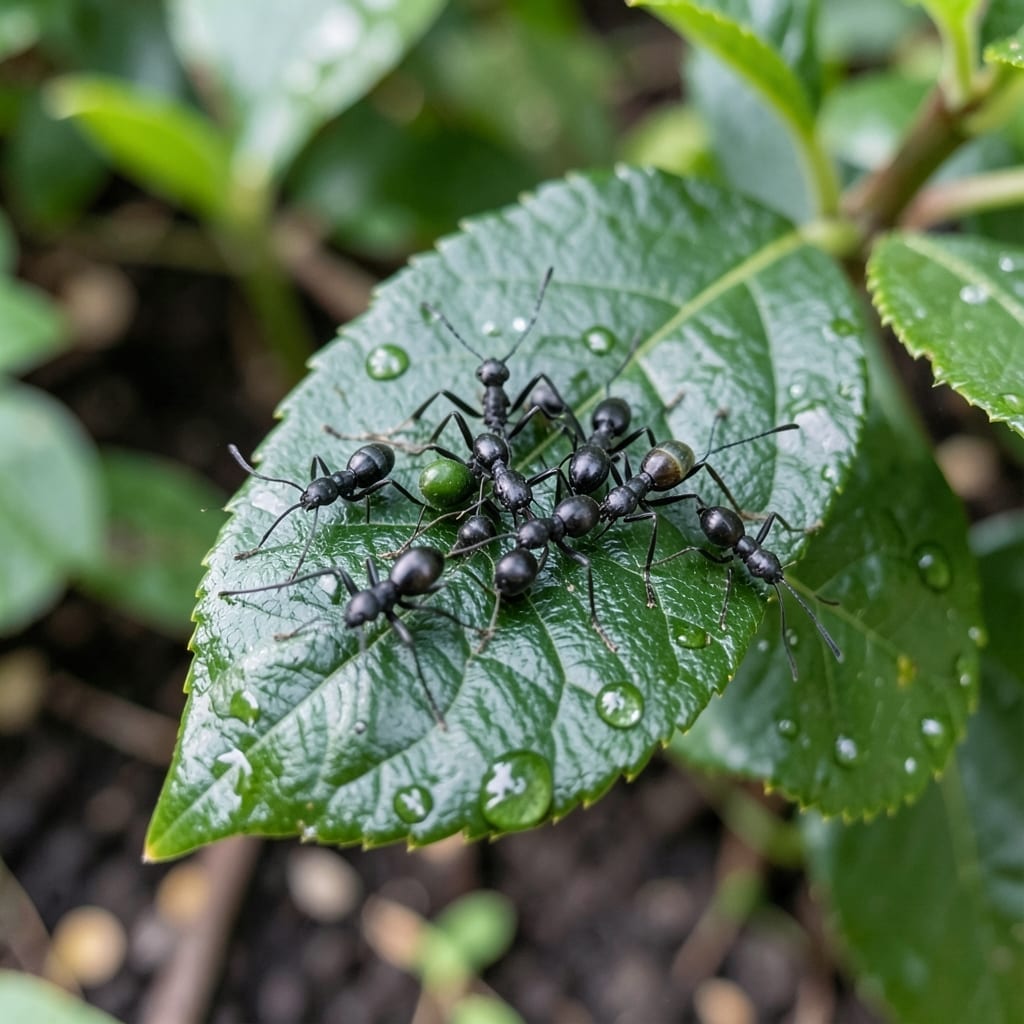
Those tiny black bugs on your cherry tree leaves aren’t just annoying—they’re sapping its strength. Black cherry aphids multiply fast, curling leaves and stunting growth before you even notice the damage.
I’ve battled these pests in my own orchard, and neem oil became my go-to weapon. It disrupts their life cycle without harming beneficial insects, and you’ll see results within 24-48 hours of the first application.
What you get is a foolproof treatment that works on contact and as a preventative. The oil smothers existing aphids while making leaves unappetizing to new invaders.
Best part? It’s organic, budget-friendly, and safe for edible plants. Here’s how to mix and apply it for maximum impact.
Black cherry aphids thrive due to a mix of environmental, biological, and horticultural factors. Understanding these triggers helps prevent infestations before they start.
Aphids, including Myzus cerasi (black cherry aphid), multiply rapidly in mild temperatures (60–80°F) and high humidity. Spring and early summer are prime seasons, as tender new growth on cherry trees provides an ideal food source. Overwatering or poor drainage can also create the damp conditions these pests love.
Excess nitrogen in soil promotes lush, soft foliage—a buffet for aphids. While healthy trees need nutrients, over-fertilizing (especially with synthetic nitrogen) can lead to suculent tissue that’s easier for aphids to pierce and feed on. Balanced, slow-release fertilizers are less likely to attract these pests.
In ecosystems lacking beneficial insects like ladybugs, lacewings, or parasitic wasps, aphid populations explode unchecked. Pesticide overuse can wipe out these natural enemies, leaving your cherry trees vulnerable. Encouraging biodiversity with companion planting (e.g., dill, fennel, or yarrow) helps restore the balance.
Weak or stressed trees are aphid magnets. Drought, root damage, or disease compromise a tree’s ability to defend itself, making it a target. Proper pruning, consistent watering, and disease management reduce stress and resilience against infestations.
Tackling aphid infestations on cherry trees starts with identifying the root causes and applying targeted fixes. Here’s how to reclaim your tree’s health with practical, step-by-step solutions.
Dense foliage traps moisture and creates a haven for black cherry aphids. Trim back crowded branches to improve airflow and sunlight penetration. Use sterilized pruning shears to remove affected shoots, and dispose of them in sealed bags to prevent re-infestation. Prevention tip: Thin branches annually in late winter to keep the canopy open.
Aphids thrive in damp conditions. Water at the base of the tree early in the day to allow foliage to dry quickly. Avoid overhead sprinklers, which can promote fungal growth and aphid spread. Prevention tip: Use drip irrigation to keep leaves dry while maintaining soil moisture.
Natural predators like ladybugs and lacewings keep aphid populations in check. Release ladybugs at dusk near infested areas, or plant aphid-repelling companions like marigolds or nasturtiums nearby. Prevention tip: Avoid broad-spectrum pesticides, which harm beneficial insects alongside pests.
For immediate control, apply neem oil—a natural insecticide that disrupts aphid feeding and reproduction. Mix 1 tablespoon of neem oil with 1 teaspoon of mild soap and a gallon of water, then spray thoroughly on both sides of leaves. Reapply every 7–10 days or after rain. Prevention tip: Rotate treatments with insecticidal soap to prevent resistance.
💡 Pro tip: Monitor your tree weekly for early signs of aphids—curled leaves or sticky honeydew—and act fast to nip infestations in the bud!
Black cherry aphids are tiny, 1-2mm long, and dark brown to black. They cluster on undersides of leaves and new shoots, often leaving a sticky residue called honeydew.
They reproduce rapidly, with populations doubling every 3-5 days in ideal conditions. A small infestation can cover a tree in 2-3 weeks if untreated.
Yes, they can spread to nearby cherry trees and other Prunus species. Isolate infested plants and treat immediately to prevent cross-contamination.
Insecticidal soap works for light infestations. Mix 1 tablespoon mild soap per 1 quart water and spray directly on aphids. Reapply every 4-7 days.