
Beautiful Plants For Your Interior
Beautiful Plants For Your Interior
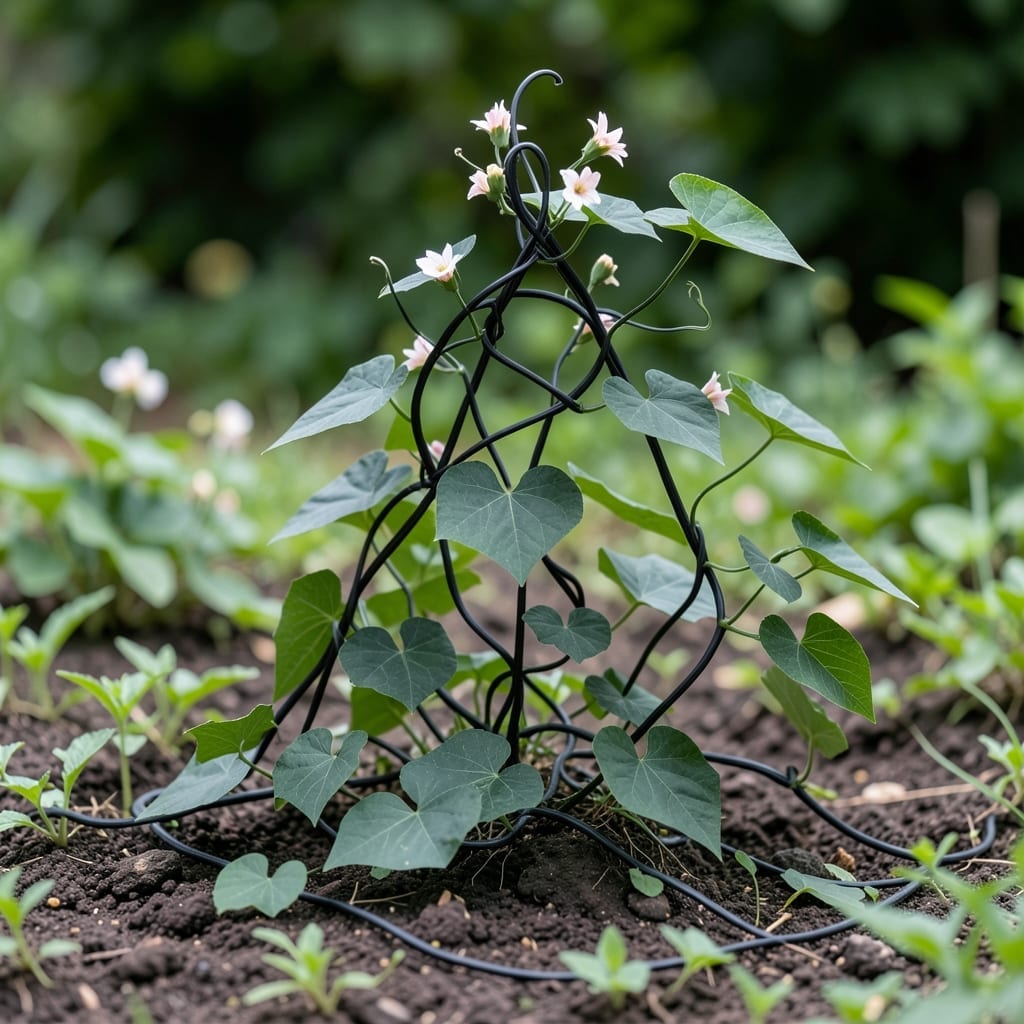
Black bindweed is a highly invasive perennial vine that smothers native plants, spreads rapidly via rhizomes and seeds, and is difficult to eradicate once established in gardens or wild areas.
I’ve seen firsthand how this vine can overtake a garden in a single season. Its extensive underground rhizome network allows it to spread far beyond where you first spot it, while each plant can produce thousands of seeds that remain viable for years. What makes it particularly challenging is its ability to regrow from even small root fragments left in the soil. 🌱
This aggressiveness gives it a clear advantage over slower-growing native species, which often can’t compete for sunlight and nutrients. Early intervention is key to preventing long-term damage to your landscape. 💫
💡 In This Article
The underground rhizome system is the primary driver of its expansion. These horizontal stems can extend 10-15 feet in a single season, sending up new shoots every few inches. Unlike surface runners, rhizomes grow deep enough (6-12 inches) to survive winter freezes and drought, giving the plant a persistent advantage. 🔥
Each mature plant produces 300-500 seeds annually, with some varieties reaching 2,000+ seeds. These seeds remain dormant in soil for 5-20 years, germinating when conditions are favorable. The seeds spread via wind, water, animals, and human activity, making containment nearly impossible without vigilant management. ✨
Above ground, black bindweed grows at an astonishing rate—6-10 inches per day under ideal conditions. This rapid vertical growth allows it to climb and smother other plants, blocking sunlight to anything beneath. The vines can reach 20 feet in length, creating dense mats that choke out native vegetation. 💫
Its competitive edge comes from efficient resource use. The plant’s deep roots access water and nutrients unavailable to shallower-rooted species, while its broad leaves maximize photosynthesis. This combination makes it outcompete most garden plants for essential resources. ⚡
What’s particularly insidious is its ability to regenerate. Even a 1-inch fragment of rhizome left in soil can sprout a new plant. This makes mechanical removal tricky, as breaking the rhizomes during digging often creates more plants rather than eliminating them. 🌟
Under ideal conditions, it can grow 6-10 inches per day and spread its rhizomes 10-15 feet in a single season. This rapid growth allows it to smother other plants within weeks.
Even a 1-inch fragment of rhizome left in the soil can regrow. Its seeds also stay dormant for 5-20 years, making re-infestation likely without long-term vigilance.
Yes, smothering with 4-6 inches of mulch over cardboard can block sunlight. However, this takes 6-12 months to be effective.
Household vinegar may burn the leaves but won’t kill the deep rhizomes. For best results, use a glyphosate-based herbicide on dry, wind-free days.