
Beautiful Plants For Your Interior
Beautiful Plants For Your Interior
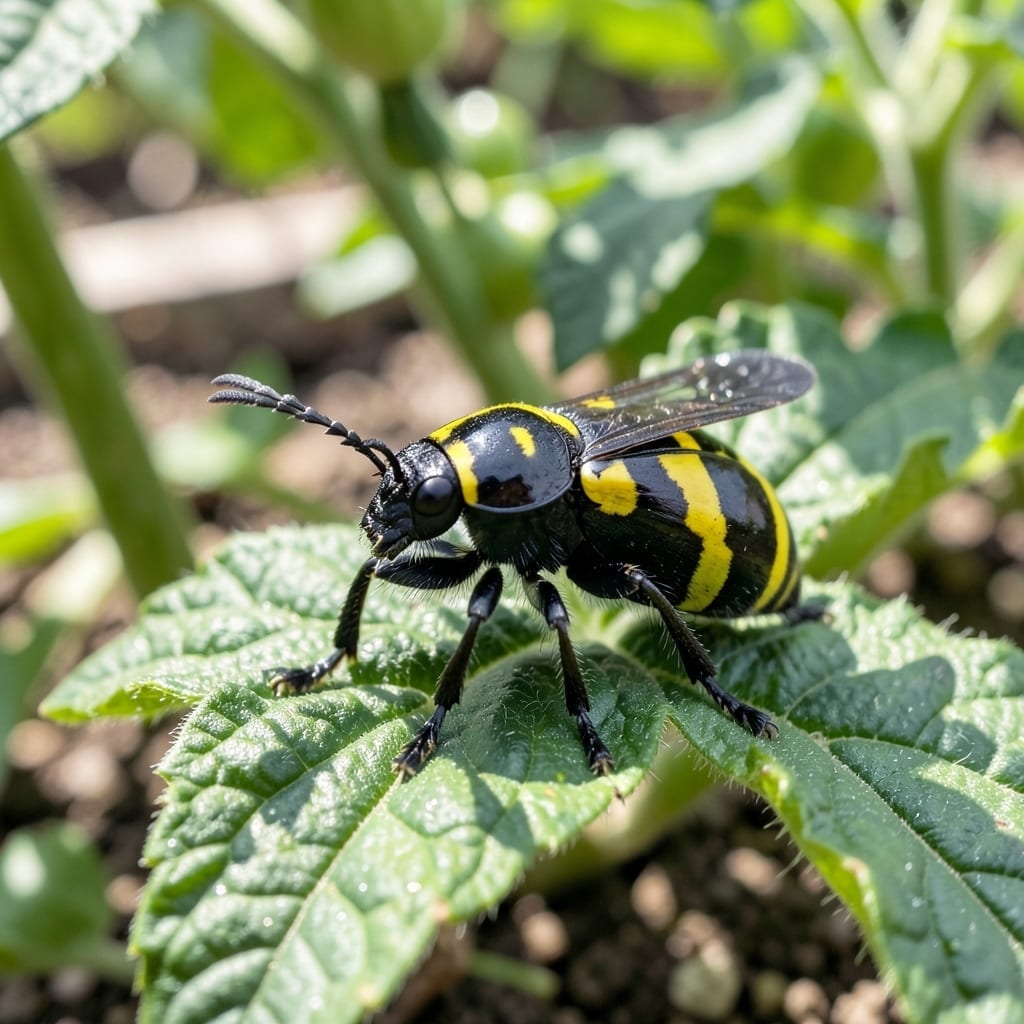
Spotted black and yellow bugs in your garden? I’ve been there—watching those striped invaders munch on my cucumbers and squash like it’s an all-you-can-eat buffet.
The worst part? They’re not just eating your plants. Some spread diseases that can wipe out entire crops. I learned the hard way that a few beetles today means zero harvest tomorrow if you don’t act fast.
Here’s the thing—you don’t need harsh chemicals to win this battle. Natural solutions work just as well, and they’re safer for your plants, pollinators, and family. The key is knowing which bugs you’re dealing with.
This guide will help you identify, prevent, and remove them naturally. No guesswork, just effective results.
Black and yellow bugs in your garden often signal specific environmental or ecological conditions. Understanding the root causes can help you address the issue effectively. Here are the most common reasons these insects show up:
Many black and yellow bugs, like stink bugs or colorado potato beetles, thrive on particular plants. Overgrown or monoculture gardens (e.g., large patches of tomatoes, beans, or squash) create ideal breeding grounds. These pests are highly specialized, so planting diverse species disrupts their life cycle.
Standing water or overly damp soil attracts insects like yellowjacket wasps or blister beetles. Poor drainage creates humid microclimates where eggs and larvae flourish. Improving soil aeration and fixing irrigation issues can reduce their appeal.
Piles of leaf litter, compost heaps, or rotting wood invite scavengers such as soldier beetles or ground beetles. While some are beneficial, others may harm plants. Regularly clearing debris and maintaining compost bins can limit their presence.
Sunny, protected spots (e.g., under mulch or dense foliage) provide perfect nesting sites for bugs like boxelder bugs. These areas retain heat, accelerating their reproduction. Pruning overgrown areas and reducing mulch depth can make your garden less inviting.
If beneficial insects (e.g., ladybugs, lacewings) or birds are absent, pest populations explode. Pesticides often kill these predators first, creating an imbalance. Encouraging biodiversity with native plants and avoiding chemicals restores natural pest control.
Dealing with black and yellow bugs in your garden can be frustrating, but these practical solutions will help you reclaim your space naturally. Below are targeted fixes for common causes, along with prevention tips to keep them from returning.
If tiny black and yellow bugs are clustering on new growth or the undersides of leaves, they’re likely aphids. Blast them off with a strong stream of water from your hose, then apply neem oil or insecticidal soap to discourage their return. For a DIY approach, mix 1 teaspoon of dish soap with 1 quart of water and spray directly on the pests.
Prevention: Encourage natural predators like ladybugs and lacewings by planting pollinator-friendly flowers such as marigolds or alyssum. 💡
These striped beetles love potato, tomato, and eggplant leaves. Handpick adults and larvae (they’re bright orange with black spots) and drop them into soapy water. For larger infestations, spread diatomaceous earth around plants or use spinosad, an organic pesticide.
Prevention: Rotate crops yearly and cover young plants with floating row covers to block access. ✨
If you’re seeing aggressive black and yellow striped insects, they may be yellowjackets. Avoid swatting—it releases alarm pheromones. Instead, set up traps with sweet bait (like fruit juice) away from your garden to lure them away. For nests, contact a professional or use a wasp-specific foam spray at dusk when they’re less active.
Prevention: Keep food and trash sealed, and remove fallen fruit or sugary residues that attract them. 🎯
These flat, shield-shaped bugs target squash, pumpkins, and cucumbers. Remove debris and mulch where they hide, and check the undersides of leaves for copper-colored eggs to crush them. Use kaolin clay as a barrier spray to deter adults.
Prevention: Plant resistant varieties like ‘Butternut’ squash and practice crop rotation. 🌡️
No, some like soldier beetles actually eat pests. Only a few species, such as striped cucumber beetles, damage plants. Learn to identify the harmful ones before taking action.
Start with handpicking or a strong water spray. For stubborn cases, use neem oil or insecticidal soap at dusk to avoid harming pollinators.
They’re likely attracted to specific plants or moisture. Rotate crops, improve drainage, and remove debris to break their life cycle.
Encourage natural predators with native plants, use row covers, and maintain garden cleanliness. These methods work long-term.