
Beautiful Plants For Your Interior
Beautiful Plants For Your Interior
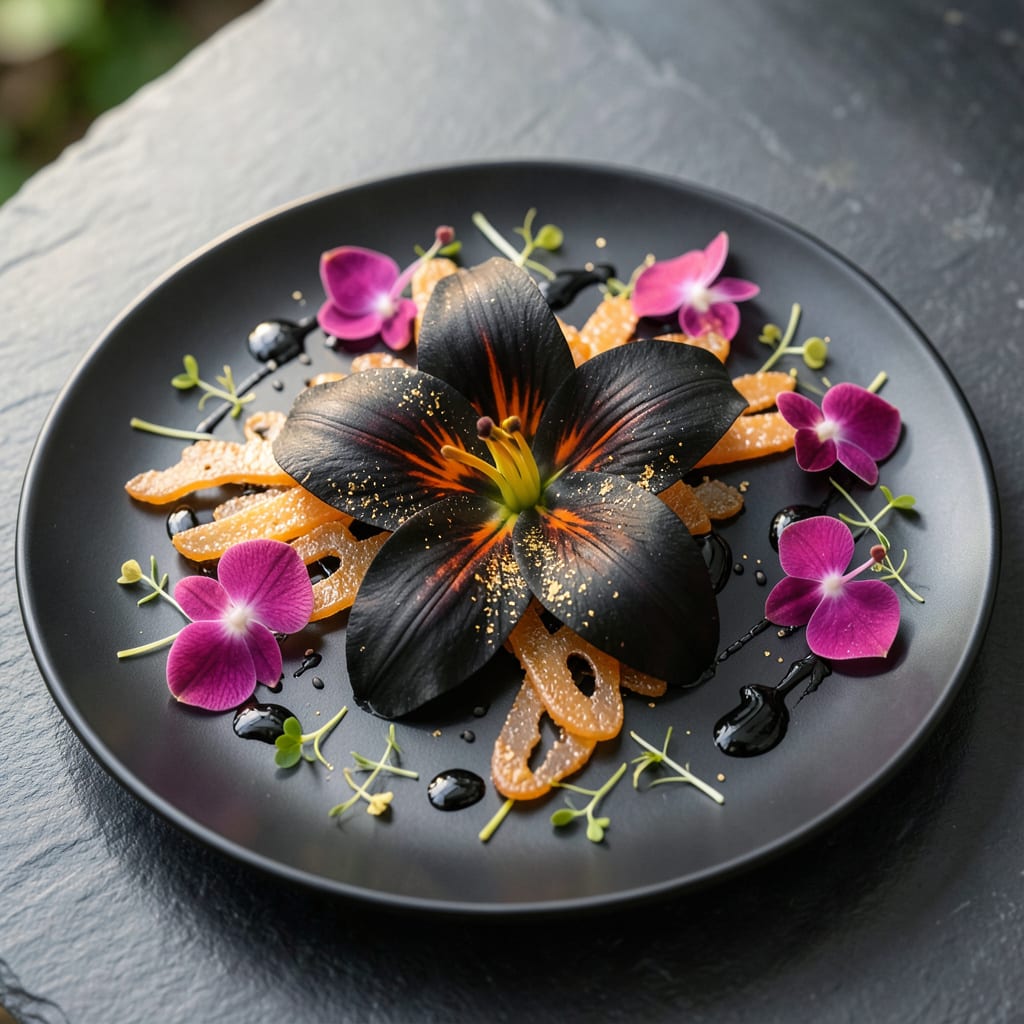
There’s nothing subtle about black and orange tiger lilies. These bold blooms demand attention with their striking colors and dramatic spotted patterns, turning any garden into a showstopper.
I planted my first batch in a sunny corner with well-draining soil, and by mid-summer, they were the talk of the neighborhood. They thrive with minimal fuss—just give them space to spread and watch the magic happen.
📚 In This Guide
Here’s the method I rely on for bold, vibrant blooms that stop neighbors in their tracks.
Choose a spot with full sun to partial shade, as tiger lilies thrive with 6+ hours of direct sunlight daily. The soil should be well-draining and rich in organic matter—clay-heavy or waterlogged areas will rot the bulbs. I always test drainage by digging a 1-foot hole and filling it with water. If it drains within 1 hour, you’re good to go.
These lilies tolerate a range of soil pH but prefer slightly acidic to neutral (6.0-7.0). If your soil is alkaline, amend with sulfur or peat moss. Avoid low-lying areas where water pools after rain—this is the quickest way to lose bulbs to rot.
Loosen the soil to a depth of 12-15 inches, removing rocks and breaking up clumps. Mix in a 2-3 inch layer of compost or aged manure to boost fertility. Tiger lily bulbs are tough, but they’ll reward you with bigger blooms if the soil is prepped properly.
Plant bulbs 4-6 inches deep and 8-12 inches apart, pointy end up. Deeper planting protects bulbs from freeze-thaw cycles in colder climates. Water thoroughly after planting to settle the soil and eliminate air pockets, which can desiccate roots.
Keep the soil evenly moist but not soggy during the first growing season. Water deeply 1-2 times per week, allowing the top 1-2 inches of soil to dry between waterings. A 2-inch layer of mulch (straw or shredded bark) helps retain moisture and suppresses weeds.
Once established, tiger lilies are drought-tolerant, but they’ll produce the most dramatic blooms with consistent moisture. Yellowing leaves often signal overwatering, while crispy edges indicate underwatering. Adjust accordingly and always water at the base to avoid wetting the foliage, which invites fungal issues.
Apply a balanced, slow-release fertilizer (10-10-10) in early spring as new growth emerges. Work it lightly into the soil surface, then water deeply. I avoid high-nitrogen fertilizers, which promote leafy growth at the expense of flowers.
Tiger lilies can grow 3-5 feet tall, so staking may be necessary, especially in windy areas. Use bamboo stakes or decorative supports, tying stems loosely with soft twine. Remove spent blooms to encourage more flowers, but leave foliage intact until it yellows naturally—this feeds the bulb for next year’s display.
Small details make the difference between lackluster blooms and a show-stopping display.
Sunlight Strategy: That 6+ hours of direct sunlight mentioned in Step 1 is non-negotiable for vibrant color. I learned this the hard way after planting in too much shade—blooms were pale and sparse. If your yard has limited sun, prioritize morning light over harsh afternoon rays.
Drainage Test: The 1-hour drainage test in Step 1 is your best insurance against bulb rot. Dig that 1-foot hole, fill it, and time it precisely. If water lingers beyond an hour, raise the planting bed or amend with coarse sand. Between us, I’ve lost entire batches by skipping this simple check.
Planting Depth: In Step 2, planting 4-6 inches deep protects bulbs from temperature swings. In colder zones, go deeper within that range. Shallower planting can cause bulbs to heave out of the soil during freeze-thaw cycles, exposing them to damage.
Watering Wisdom: The 1-2 times per week watering schedule in Step 3 works best if you water deeply each time. Light, frequent watering encourages shallow roots. Instead, soak the soil to a depth of 6 inches each session, then let the top 1-2 inches dry out completely between waterings.
Plant them in well-draining soil with full sun to partial shade. Water moderately, keeping the soil moist but not soggy. Apply a balanced fertilizer in early spring for vibrant blooms.
These striking flowers typically bloom in mid to late summer, often from July to August, depending on your climate and planting zone.
Yes, all parts of the tiger lily are toxic to cats and dogs if ingested. Keep them out of reach of curious pets to avoid health issues.
Absolutely! Use a large container with good drainage. Ensure the pot gets at least 6 hours of sunlight daily and maintain consistent moisture for best results.
Common reasons include insufficient sunlight, poor soil nutrition, or overcrowded bulbs. Divide bulbs every 3-4 years and ensure they receive proper care to encourage blooming.
