
Beautiful Plants For Your Interior
Beautiful Plants For Your Interior
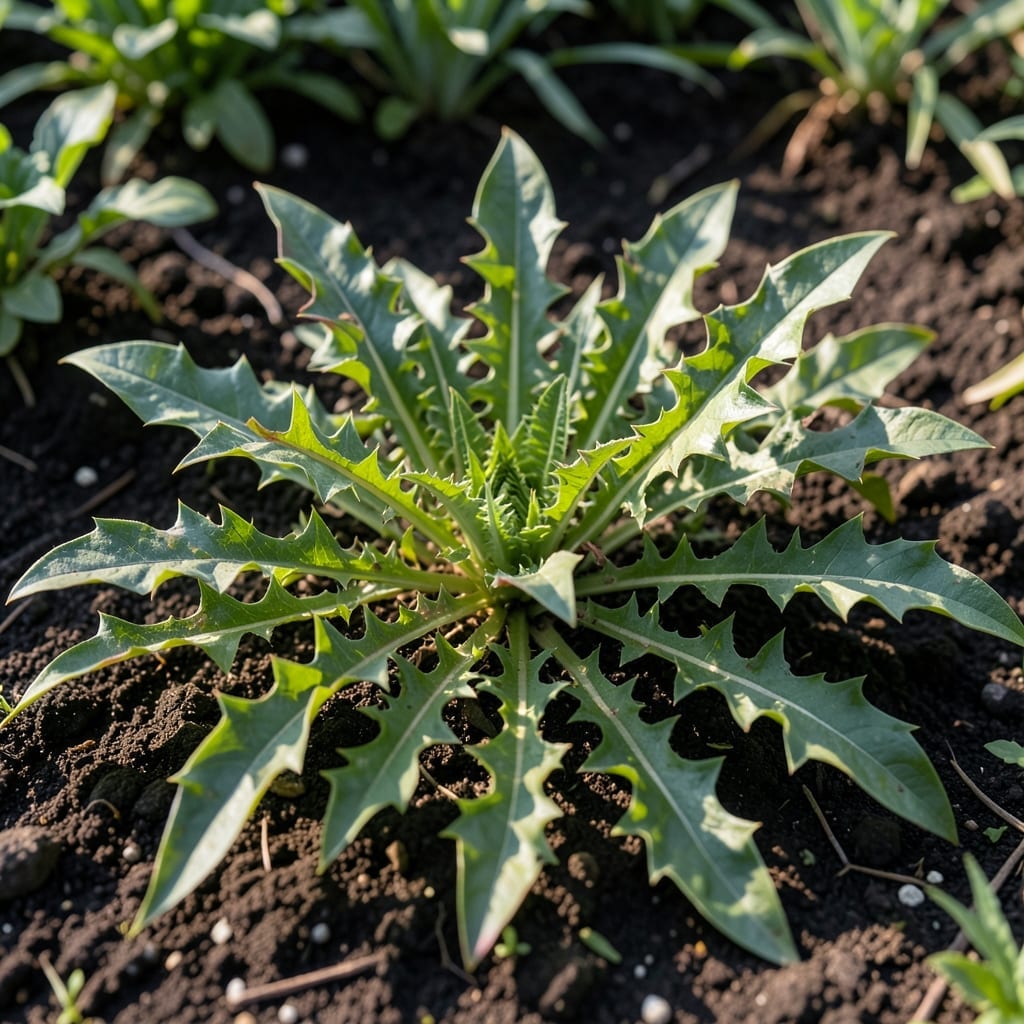
Bitter green vegetables like kale, arugula, and dandelion greens pack intense flavors and rich nutrients, offering antioxidants, vitamins, and digestive benefits in every leafy bite.
I love how these leafy powerhouses deliver complex flavors while boosting health. Their natural compounds like glucosinolates support liver function, and the fiber content aids digestion. 🔥 Plus, they’re packed with vitamin K for bone health and vitamin C for immunity, making them a smart addition to any meal. Their bold taste often softens when sautéed with garlic or dressed in citrus.
💡 In This Article
The secret lies in their unique phytochemicals. Bitter greens contain high concentrations of glucosinolates, the compounds that create that sharp flavor while triggering your liver’s natural detoxification pathways. A single cup of raw dandelion greens delivers over 500% of your daily vitamin K needs, essential for blood clotting and bone health. 🔥
Antioxidant levels in these greens are off the charts. Arugula packs 8x more vitamin C than iceberg lettuce, while kale contains quercetin—a flavonoid shown to reduce inflammation at the cellular level. The darker the leaf, the more antioxidants it typically contains, with mustard greens testing at 1,500 ORAC units per 100g. ✨
Your gut microbiome thrives on bitter greens. The fiber content (about 2-4g per cup) feeds beneficial bacteria, while the bitterness stimulates digestive enzyme production. Studies show regular consumption can improve gut diversity by up to 20% in just 4 weeks. This explains why they’ve been used for centuries in traditional medicine for digestive health. 💫
These greens outperform many superfoods in nutrient density. Compare: 1 cup of cooked collard greens provides 1,045% DV vitamin K, 308% DV vitamin A, and 58% DV vitamin C—all for just 63 calories. Their mineral profile includes hard-to-get nutrients like manganese and calcium in highly bioavailable forms. ⚡
What makes them truly special is how these compounds work together. The combination of vitamins, minerals, and phytochemicals creates a synergistic effect where the whole is greater than the sum of its parts. This is why bitter greens consistently rank at the top of nutrient-density charts.
The bitterness comes from compounds like glucosinolates and flavonoids. These natural plant chemicals act as a defense mechanism while also providing health benefits. The darker the green, the more intense the flavor tends to be.
Try blanching in boiling water for 30-60 seconds or sautéing with garlic and olive oil. Adding acidic ingredients like lemon juice or vinegar can also balance the flavor. Harvesting younger leaves often yields a milder taste.
Start with small portions, as the high fiber content might cause discomfort. Their natural compounds can stimulate digestion, which may be too intense for some. Cooking them thoroughly can help make them gentler on the stomach.
Milder options include baby arugula, young dandelion greens, or escarole. These have less bitterness than mature kale or mustard greens but still pack plenty of nutrients. Try them raw in salads before cooking.
Some water-soluble vitamins like C may decrease with cooking, but others like vitamin K become more bioavailable. Light steaming or quick sautéing preserves most nutrients while improving digestibility.