
Beautiful Plants For Your Interior
Beautiful Plants For Your Interior
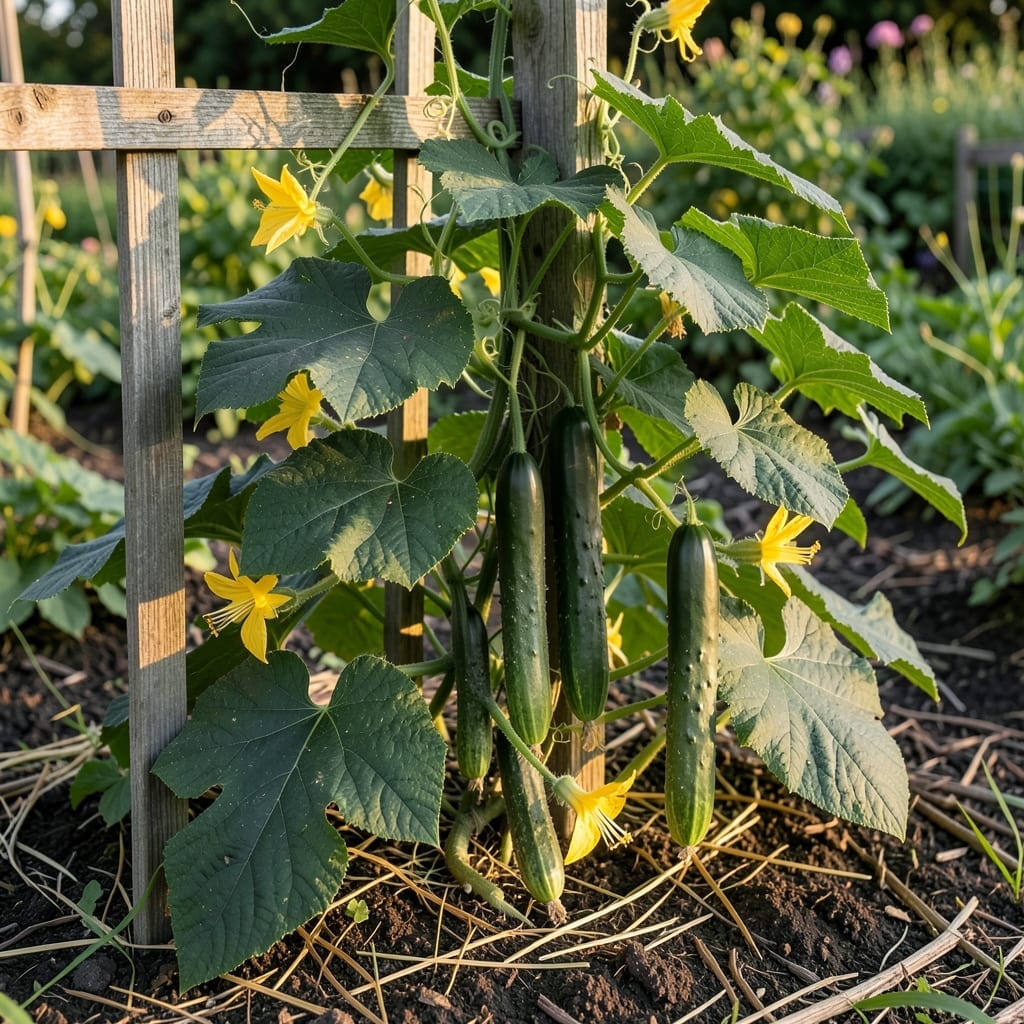
Consuming bitter cucumbers may cause nausea, vomiting, or diarrhea due to cucurbitacins. In rare cases, severe poisoning can occur, especially if the bitterness is intense.
These compounds are natural toxins that develop when cucumbers experience stress, like inconsistent watering or poor growing conditions. I always taste a small piece first—if it’s bitter, I discard the entire vegetable immediately. Even mild bitterness can indicate unsafe levels, so it’s better to be cautious than risk an upset stomach or worse. ⚡
💡 In This Article
Cucurbitacins are the toxic compounds responsible for that sharp, bitter taste. These natural pesticides develop in cucumbers under stress, like drought or temperature swings. The concentration can spike to 0.01-0.1% of the fruit’s weight, which is enough to trigger gastrointestinal distress in humans. 🔥
Your body reacts to cucurbitacins because they disrupt cellular processes. They inhibit protein synthesis and damage cell membranes, particularly in the digestive tract. This is why even small amounts can cause immediate symptoms like stomach cramps or vomiting within 30 minutes to 2 hours after consumption.
The bitterness threshold matters—most people detect cucurbitacins at concentrations as low as 5 ppm. However, some modern cucumber varieties have been bred to lack the bitter gene, making them safer. Still, wild or heirloom types often retain this defensive mechanism, so caution is always warranted. ✨
Severe cases, though rare, can lead to more than just digestive upset. High doses may cause dehydration, low blood pressure, or even collapse due to the compound’s effect on red blood cells. Children and pets are particularly vulnerable because of their smaller body size relative to potential toxin intake.
What’s fascinating is how cucurbitacins serve a dual purpose in nature. While toxic to mammals, they deter pests without harming the plant itself. This evolutionary advantage explains why the compounds persist in many cucurbit family members, from squash to melons. 💫
Reactions typically start within 30 minutes to 2 hours after ingestion. Initial signs include nausea, stomach cramps, or vomiting.
Yes. Children, elderly individuals, and pets face higher risks due to their smaller body size. Even small amounts can cause severe reactions in these groups.
No. Heat does not break down cucurbitacins. The only safe option is to discard the entire cucumber if it tastes bitter.
Stress during growth, like inconsistent watering or temperature swings, triggers toxin production. Even commercial varieties can develop bitterness under poor conditions.
Drink water and monitor for symptoms. If vomiting or diarrhea occurs, seek medical attention immediately. Never wait for symptoms to worsen.