
Beautiful Plants For Your Interior
Beautiful Plants For Your Interior
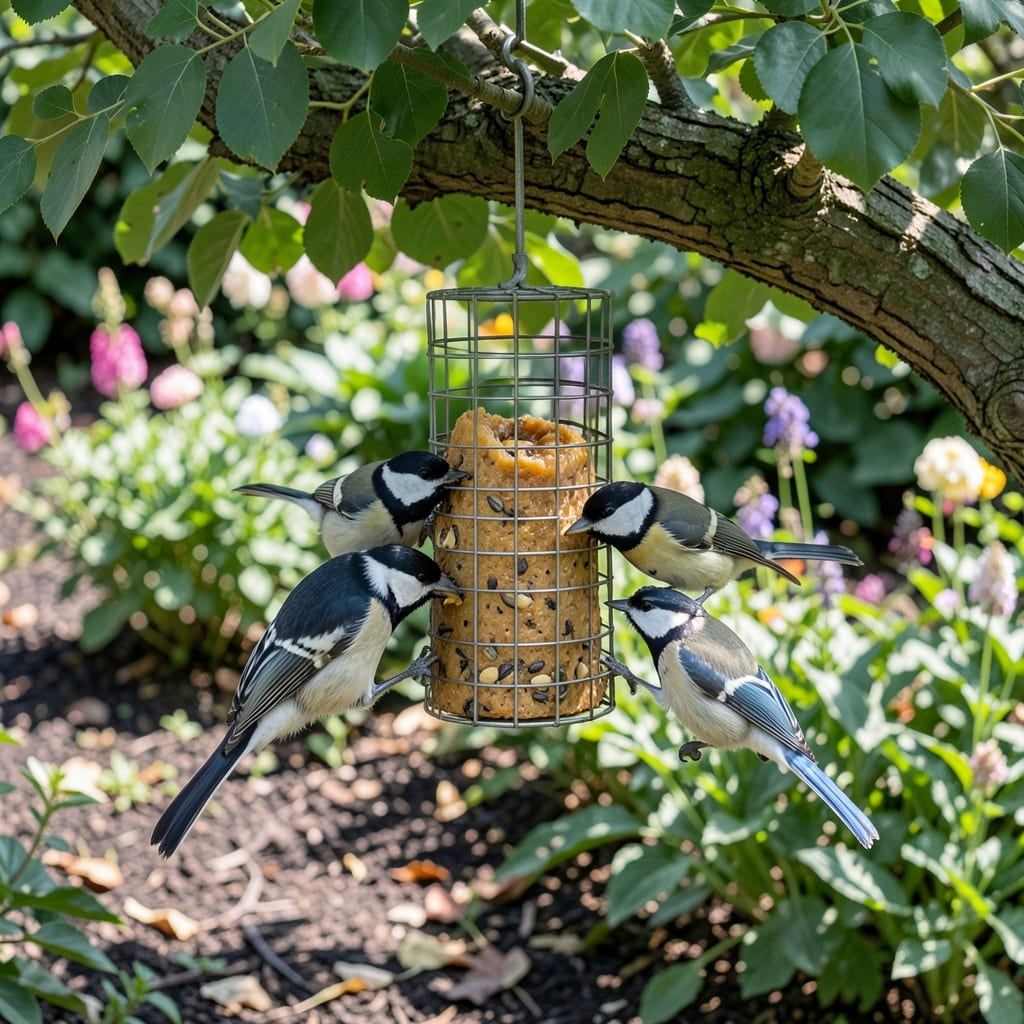
Yes, many wild birds love suet, especially woodpeckers, nuthatches, and chickadees. It provides high-energy fat, perfect for cold months or nesting season when birds need extra calories.
I’ve seen firsthand how suet becomes a lifeline for backyard birds during harsh weather. Its concentrated fat content fuels their high metabolism, especially for species that stay active in winter. This is why offering suet can attract a diverse flock to your yard. 🔥
What’s more, it’s not just about survival—birds actually prefer this energy-rich option over seeds when temperatures drop.
💡 In This Article
Suet’s power comes from its 95-98% fat content, packing nearly 4,000 calories per pound. This dense energy source fuels birds’ high metabolic rates, especially for species like woodpeckers that burn energy rapidly while foraging. The fat oxidizes quickly in their systems, providing sustained energy without the bulk of seeds. 🔥
Small birds lose up to 10% of their body heat overnight in winter. Suet’s concentrated calories help them maintain 104-108°F body temperatures when natural food is scarce. Chickadees, for example, can consume up to 1/3 of their body weight in suet daily during cold snaps. ⚡
Clinging birds like nuthatches and brown creepers benefit most because suet’s firm texture allows them to feed upside-down. Unlike seeds, suet doesn’t require shell-cracking, making it accessible to smaller species with weaker beaks. The rendered fat also stays stable in 20-50°F ranges, ideal for winter feeding. ✨
Migration and nesting seasons create additional demand. Parent birds feed suet to nestlings for rapid growth, while migrants use the energy for long flights. Research shows suet-fed birds have 20% higher survival rates in harsh conditions compared to those relying solely on natural food sources. 💫
What sets suet apart is its immediate usability. Unlike seeds that need digestion to access nutrients, suet’s fat is directly metabolized. This explains why you’ll see birds making repeated trips to feeders—they’re efficiently converting calories to energy with minimal effort.
Woodpeckers, nuthatches, and chickadees are the biggest fans. They cling easily to feeders and benefit from the high-fat energy, especially in colder months.
Year-round feeding works best, but it’s especially valuable in winter and nesting season. Birds need the extra calories to stay warm or fuel their young.
Place feeders in shady spots and choose high-melt suet cakes during warmer months. Avoid direct sunlight to prevent spoilage.
Squirrels and raccoons may try to raid feeders. Use baffles and avoid suet mixes with corn or millet to minimize pest interest.
Swap out uneaten suet every 2-3 weeks in warm weather. Clean feeders monthly with a 1:9 bleach-water solution to prevent mold.