
Beautiful Plants For Your Interior
Beautiful Plants For Your Interior
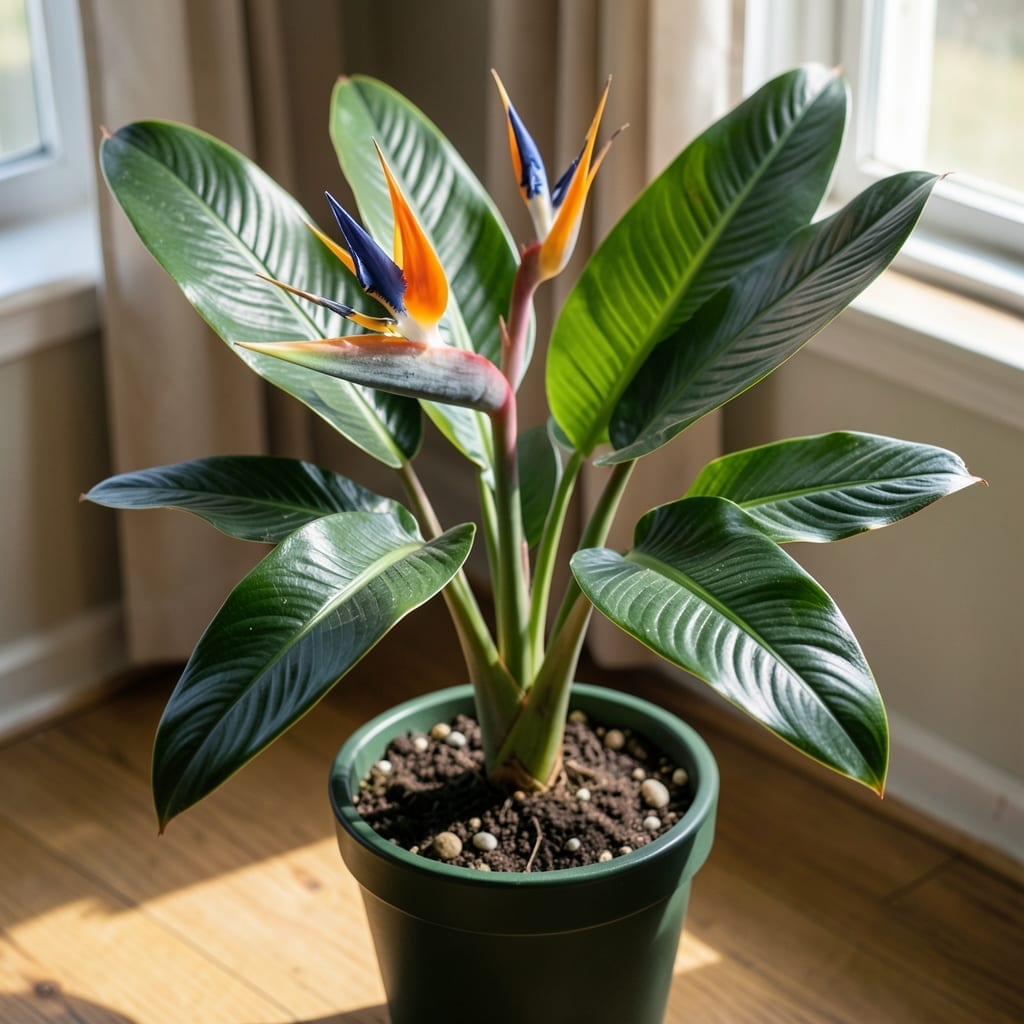
Bird of paradise birds display vibrant plumage with iridescent colors, elaborate tail feathers, and unique shapes. High-quality images capture their exotic beauty in natural habitats or controlled settings.
These birds are nature’s living art, with some species flaunting metallic blues and emerald greens that shift in sunlight. I’ve seen how their elaborate courtship dances make for breathtaking action shots, especially in the rainforests of New Guinea. 💫
Photographers often wait hours to catch the perfect moment when their plumage fully unfurls, revealing intricate patterns that look almost painted. The contrast between their vivid colors and dark backgrounds creates some of the most dramatic wildlife images.
💡 In This Article
The iridescence in their plumage comes from microscopic feather structures that refract light. These birds possess melanin layers in their barbs that create interference patterns, producing colors that shift between violet, turquoise, and gold as they move. This structural coloration is more vibrant than pigment-based hues found in most other birds.
Their elaborate tail feathers often exceed 3 feet in length, with species like the Ribbon-tailed Astrapia boasting the longest relative to body size. These feathers feature intricate wire-like strands that curl and twist, creating mesmerizing shapes during courtship displays.
The Superb Bird-of-Paradise, for instance, transforms into a black oval with electric blue accents when viewed from certain angles.
Many species develop unique head adornments, from the fanned crests of the King Bird-of-Paradise to the wire-like filaments of the Twelve-wired Bird-of-Paradise. These structures aren’t just decorative—they amplify movements during elaborate mating dances, making them appear larger and more impressive to potential mates. 🌟
Color intensity varies by species and sex, with males typically displaying the most dramatic plumage. The Wilson’s Bird-of-Paradise, for example, combines crimson, yellow, and turquoise in a pattern that looks almost hand-painted. Females often have more subdued brown or gray tones, providing better camouflage during nesting.
Their beaks are another striking feature, ranging from short and stout to long and curved depending on diet. The Sicklebill species have particularly dramatic curved beaks that can reach 4 inches long, perfectly adapted for extracting insects from bark. This diversity in beak shapes adds another layer of visual interest in photographs.
New Guinea and surrounding islands offer the best opportunities. Look for protected rainforests or specialized aviaries that allow photography with minimal disturbance.
Use a fast shutter speed of at least 1/1000s and a wide aperture like f/2.8 to f/4. Shoot in RAW format for better post-processing flexibility.
Their iridescence shifts with viewing angle and light. Camera sensors may not capture the full spectrum of colors visible to the human eye.
Always prioritize the birds’ well-being. Avoid using flash, playing recordings, or disturbing their natural behavior.