
Beautiful Plants For Your Interior
Beautiful Plants For Your Interior
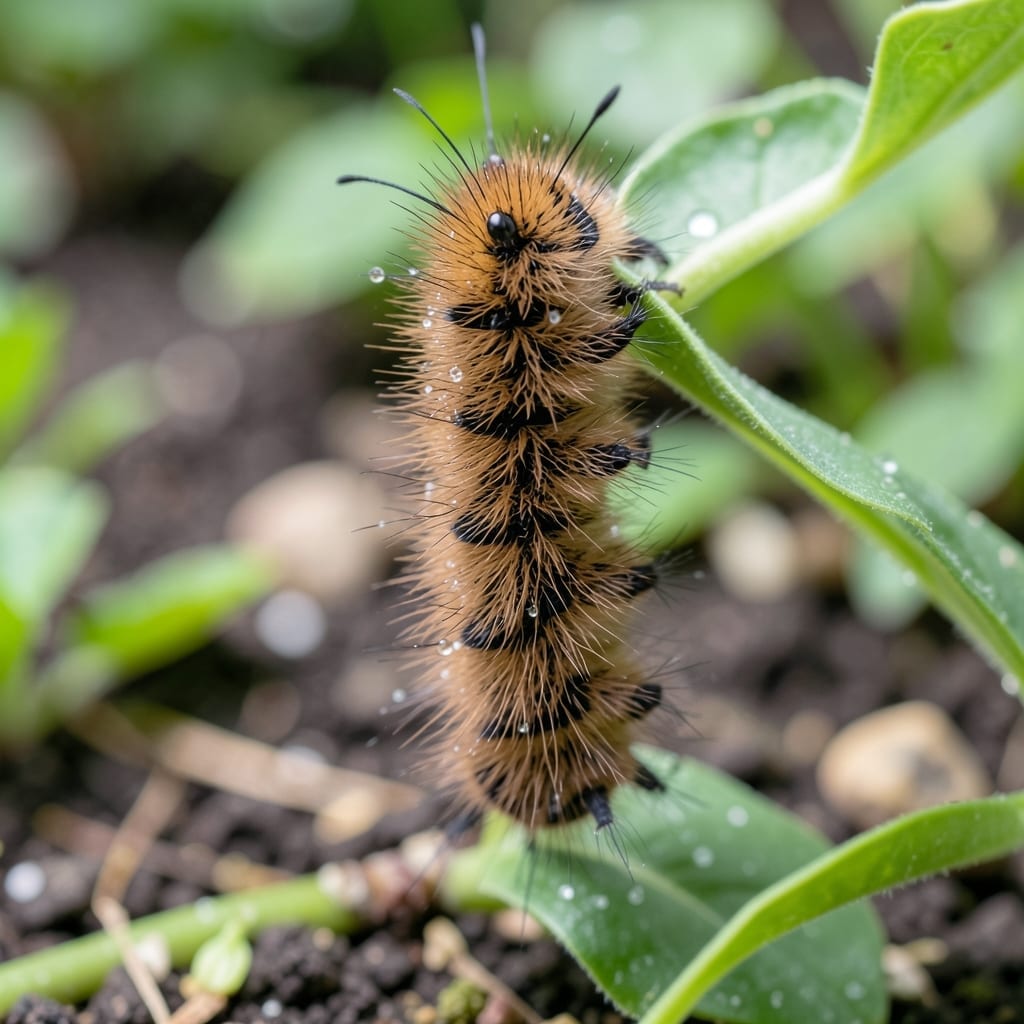
I first noticed them munching on my oak leaves last summer. Big, brown, and fuzzy—they look harmless until you see the damage they can do to young trees and garden plants.
These caterpillars thrive in wooded areas but often wander into yards. Their life cycle is fascinating: eggs hatch in spring, they feed voraciously for weeks, then spin cocoons to emerge as moths by mid-summer.
Here’s the thing—they’re not always pests. Some species help pollinate plants as adults. But when populations explode, they can defoliate entire sections of your landscape overnight.
Understanding their habits helps you decide whether to intervene or let nature run its course. The choice depends on your garden’s specific needs.
The big brown fuzzy caterpillar often appears due to natural ecological factors and seasonal triggers. Below are the primary causes behind its presence:
These caterpillars thrive in environments with abundant host plants, such as oak, willow, or cherry trees. Warm, humid climates accelerate their life cycle, making them more visible during late summer and early fall.
Like many caterpillars, the brown fuzzy variety emerges as part of its species’ bivoltine (two generations per year) or univoltine (one generation per year) life cycle. Eggs laid in spring hatch into larvae, which feed voraciously before pupating. A second wave often appears in late summer as temperatures rise.
Urban and suburban areas with ornamental trees or gardens can inadvertently attract these caterpillars. Pesticide reduction in organic landscapes may also lead to higher populations, as natural predators (like birds or wasps) are less active.
If you notice an uptick, check for nearby host plants or recent weather shifts—these are key indicators of their presence.
If you’ve spotted a big brown fuzzy caterpillar in your garden or home, don’t panic. Here’s how to address common issues they may cause, from plant damage to accidental encounters indoors.
These caterpillars can munch through leaves quickly. To protect your garden:
Prevention tip: 💡 Regularly inspect plants for eggs or young larvae to catch infestations early.
If one wanders inside, avoid squashing it—some species can trigger allergies. Instead:
Prevention tip: 🎯 Keep outdoor lights off at night to reduce attracting moths that lay eggs.
Some fuzzy caterpillars have spines that can cause itching or rashes. If touched:
Prevention tip: ✨ Wear gloves when handling plants or gardening in areas where they’re common.
With these steps, you can coexist safely with these fascinating creatures while minimizing disruptions.
Some species have tiny spines that can irritate skin. Always wear gloves when handling them.
Most become moths after pupating in cocoons for 2-4 weeks. The transformation is remarkable to observe!
Encourage natural predators like birds, or use neem oil as a safe deterrent. Regular plant inspections help too.
The fuzz provides insulation and protection from predators. It also helps them blend into their environment.