
Beautiful Plants For Your Interior
Beautiful Plants For Your Interior
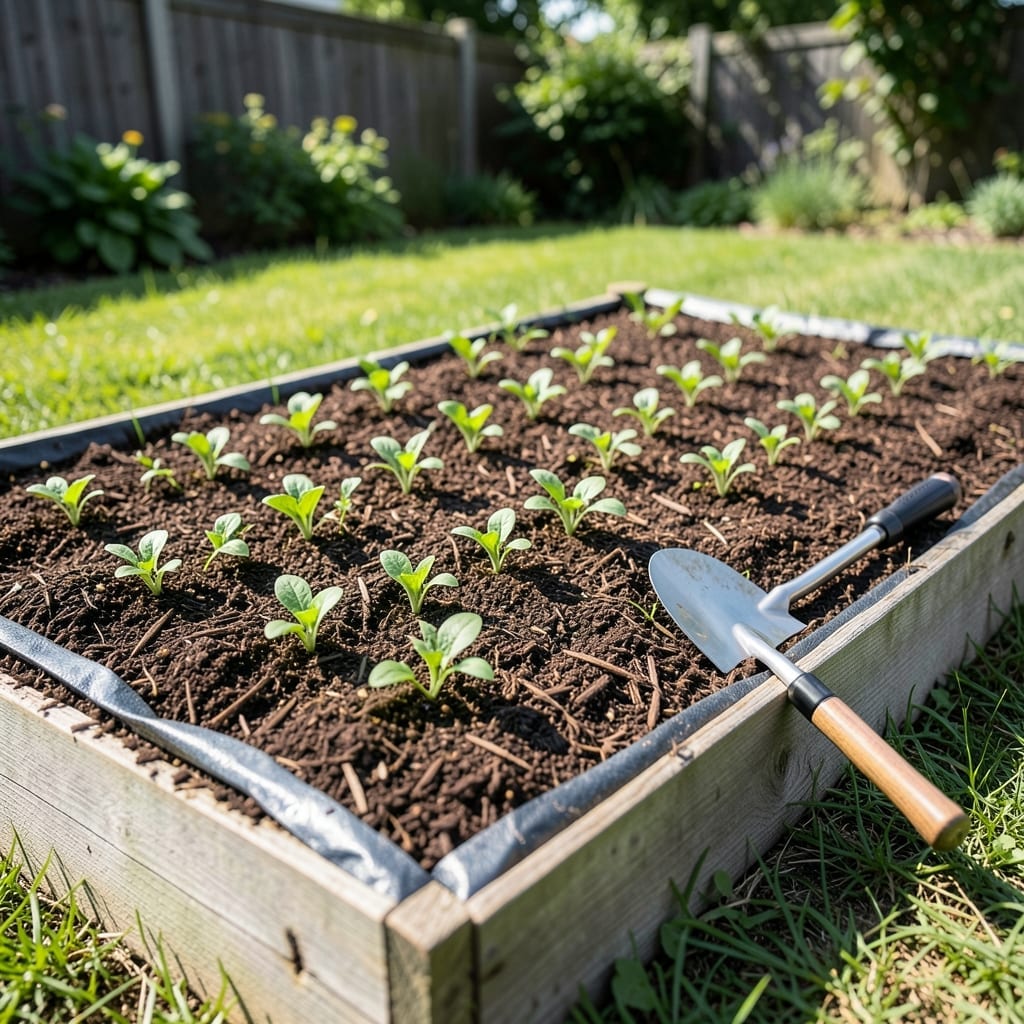
Combine thick mulch layers with pre-emergent herbicides and regular hand-pulling for the most effective control. Preventative measures like landscape fabric and dense plantings also reduce weed growth significantly.
From my experience, the real game-changer is layering 4-6 inches of organic mulch to block sunlight while letting beneficial plants thrive. I’ve seen gardens transform when this is paired with strategic herbicide timing, especially in early spring before weeds germinate. The key is consistency—skipping even a week can let opportunistic weeds take hold and spread rapidly. 💫
💡 In This Article
Weeds thrive due to their aggressive reproduction methods. A single dandelion can produce up to 15,000 seeds in a season, which wind can carry over 5 miles. Their roots often grow deep and spread horizontally, creating extensive networks that store energy and regrow quickly even after partial removal.
This resilience allows them to outcompete desired plants for water, nutrients, and sunlight. 🔥
Ideal conditions for weed growth include disturbed soil, bare spots, and consistent moisture. Many weed seeds can lie dormant for years until conditions are right. Light triggers germination for many species, which is why bare soil patches quickly become weed-infested. The temperature range of 60-80°F is particularly conducive to rapid weed growth in most climates.
Some weeds use allelopathy, releasing chemicals that inhibit the growth of nearby plants. Black walnut trees and garlic mustard are known for this trait. Others, like creeping charlie, spread via stolons—horizontal stems that root at nodes. Understanding these mechanisms helps explain why weeds seem to appear overnight and can be so persistent in garden beds.
✨
Soil health plays a crucial role in weed proliferation. Compacted or poor-quality soil often has less competition from desirable plants, leaving space for weeds. Conversely, rich, well-aerated soil with dense plantings naturally suppresses weed growth by blocking light and using available resources. This is why gardeners often see fewer weeds in established, well-maintained beds. 💫
Seasonal patterns also affect weed growth. Cool-season weeds like chickweed and henbit thrive in early spring and fall, while warm-season varieties such as crabgrass and purslane dominate in summer. Each type has adapted to specific temperature and moisture conditions, making year-round vigilance necessary for effective control.
Refresh mulch every 6-12 months or when it thins to less than 2 inches. This maintains the light-blocking barrier weeds need to sprout. Organic mulches break down over time, so top up as needed.
It blocks most weeds but won’t stop determined ones that seed on top. Use fabric under mulch for best results, and secure edges to prevent weeds from creeping underneath.
Early morning or after rain when soil is moist. This makes roots easier to remove completely. Avoid midday heat to reduce stress on you and your plants.
Yes! Layer 4-6 sheets of newspaper under mulch. It’s biodegradable and effective for 1-2 seasons. Avoid glossy pages—stick to plain newsprint.