
Beautiful Plants For Your Interior
Beautiful Plants For Your Interior
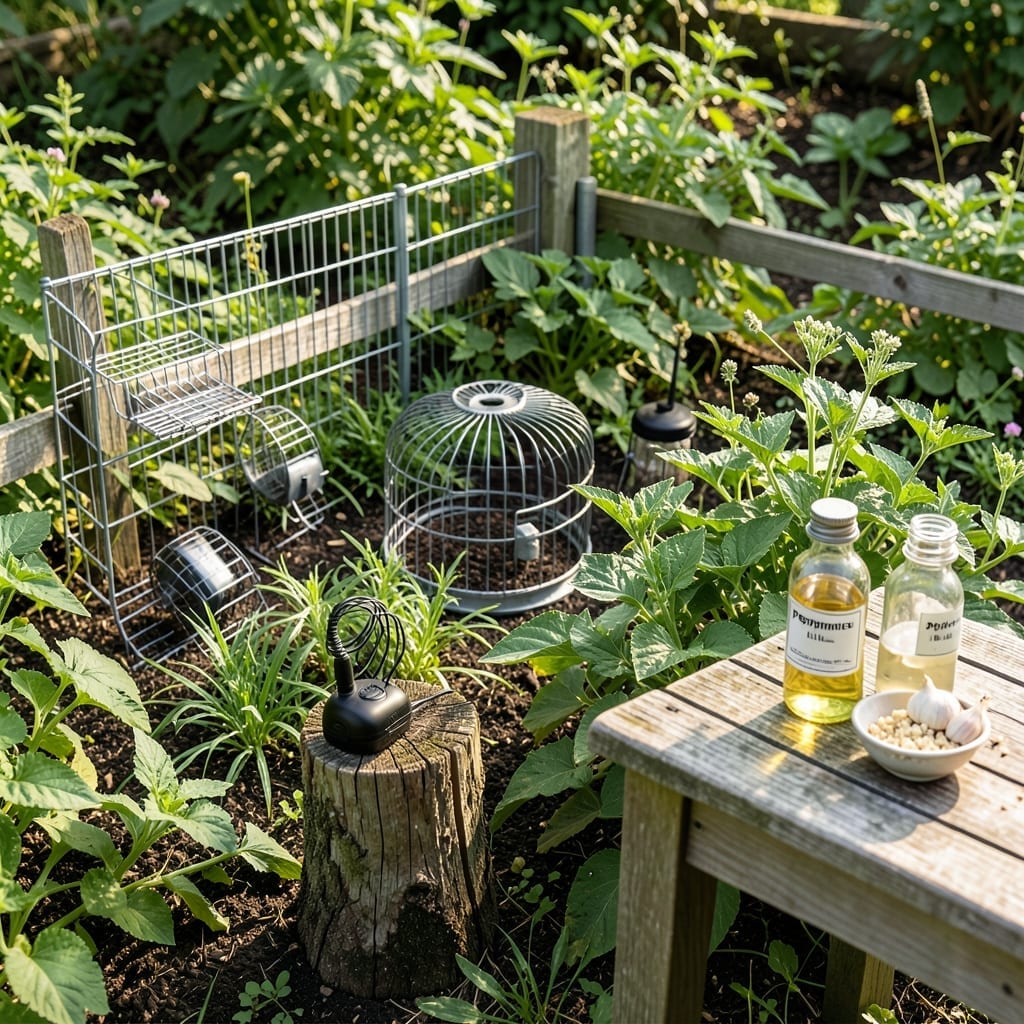
Seal entry points, remove food sources, and use natural deterrents like peppermint oil or predator urine. Traps and ultrasonic repellents can provide additional protection for gardens and outdoor spaces.
I’ve seen firsthand how preventive measures make all the difference with rodent control. Rats are drawn to easy access and unsecured food, so eliminating those invitations is your first line of defense. 🔥
For long-term results, consider planting mint or marigolds around vulnerable areas, as their strong scents naturally discourage rats from settling nearby. ✨
💡 In This Article
Rats are opportunistic feeders drawn by accessible food and water. A single unsecured trash can or pet food bowl can sustain a colony of 10-12 rats for weeks. They’re also attracted to dense vegetation, woodpiles, and cluttered storage areas that provide shelter and nesting sites.
These rodents can squeeze through openings as small as 1/2 inch, making even tiny gaps in fences or foundations potential entry points. 🔥
Environmental factors play a huge role too. Overgrown gardens, compost piles, and standing water create ideal conditions for rats to thrive. They’re especially active at night, when they can scavenge undetected, and they’re capable of traveling up to 150 feet from their nests in search of food.
This means even a neighbor’s unkempt yard can contribute to your rat problem. ✨
Rats also seek out materials for nesting, like paper, fabric, or plant debris. A cluttered shed or garage provides both shelter and building supplies. Their nesting habits are tied to survival—they prefer warm, dry spaces close to food sources. This is why basements, crawl spaces, and even thick mulch beds are common hotspots. 💫
Seasonal changes influence their behavior as well. In colder months, rats move indoors or into more sheltered outdoor areas, like under decks or inside hollow tree stumps. During warmer weather, they’re more likely to nest in gardens or tall grass. Understanding these patterns helps you target your prevention efforts more effectively. ⚡
What most people don’t realize is that rats are also attracted to bird feeders and fallen fruit from trees. A single bird feeder can drop enough seed to feed a family of rats for days. Similarly, overripe fruit on the ground acts like a buffet.
Addressing these often-overlooked food sources can dramatically reduce rat activity in your outdoor space. 🌟
Inspect traps daily, preferably in the morning. Rats are most active at night, so morning checks ensure you don’t leave caught rodents for 24+ hours. Empty and reset traps promptly to maintain effectiveness.
They can be effective for small infestations in enclosed spaces. However, results vary—some rats adapt to the high-frequency sounds. For best results, combine with other methods like sealing entry points.
Overlooking small food sources like bird seed or fallen fruit. Even a handful of spilled pet food can sustain rats for days. Always store food in airtight containers and clean up spills immediately.
Yes! Peppermint oil is highly effective. Soak cotton balls in the oil and place them near entry points or problem areas. Refresh every 2-3 weeks as the scent fades.