
Beautiful Plants For Your Interior
Beautiful Plants For Your Interior
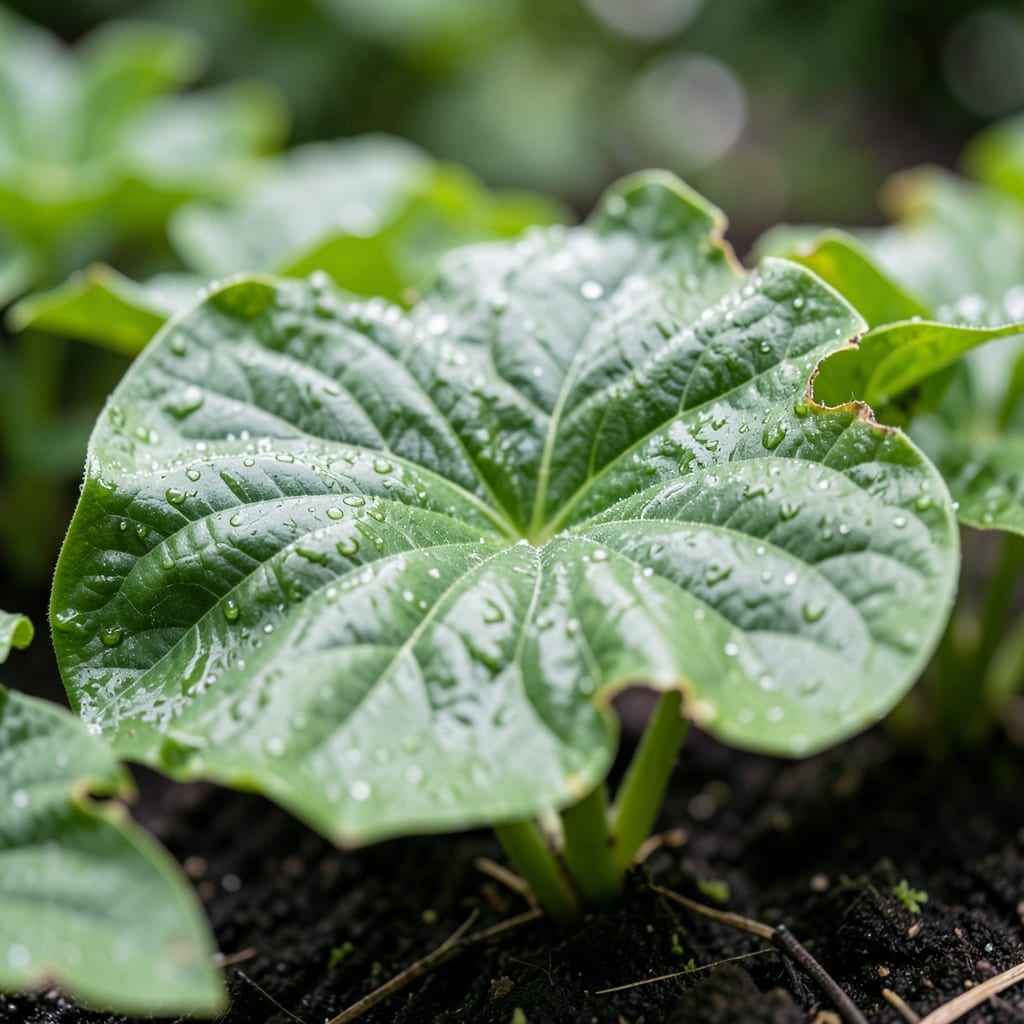
Use physical barriers like 8-foot fencing or netting, apply commercial repellents with putrescent eggs or capsaicin, and plant deer-resistant species like lavender or boxwood.
I’ve tested these methods in my own garden and found that deer are most deterred when you combine multiple approaches. Physical obstacles work because deer are jumpers, while scent-based solutions exploit their strong sense of smell. 🔥
Timing matters too—reapply repellents after rain and rotate plants they dislike with ones they love to eat.
💡 In This Article
Deer are creatures of habit with a vertical jump reach of 8-10 feet and a strong sense of smell—1000x more sensitive than humans. Physical barriers work because they exploit these natural limitations.
A tall fence or suspended netting creates a literal wall that deer cannot clear or reach over, making your garden inaccessible without completely blocking views.
Scent-based repellents trigger the deer’s survival instincts. Compounds like putrescent eggs mimic the smell of decaying animals, signaling danger. Capsaicin, the active component in hot peppers, irritates their sensitive nasal passages. These odors must be reapplied every 30-60 days or after rain to maintain potency, as natural breakdown occurs quickly in outdoor environments. 🔥
Taste deterrents use bitter or spicy flavors that deer instinctively avoid. When they take a bite of treated foliage, the unpleasant taste creates a negative association. Studies show deer can remember these bad experiences for up to 2 years, making this method effective long-term.
The key is rotating deterrents to prevent deer from becoming accustomed to any single flavor profile.
Behavioral patterns also play a role. Deer are most active at dawn and dusk, so deterrents must be effective 24/7. They’re also social animals—if one deer learns to avoid your garden, others in the herd will often follow suit.
This herd mentality means your efforts can have a multiplier effect beyond just the immediate area you’re protecting. ✨
Seasonal changes affect deterrent effectiveness. In spring and summer, deer have abundant food sources and may be less persistent. During winter months when food is scarce, they become more determined and may test barriers repeatedly. This is why layering multiple deterrent types—physical, scent, and taste—creates the most robust protection for your plants. 💫
A fence needs to be at least 8 feet tall to effectively block deer. They can jump 6-8 feet from a standing position and even higher with a running start. For best results, angle the top 1 foot outward at a 45-degree angle.
Yes! The sudden spray of water startles deer and conditions them to avoid the area. Look for models with 90-degree coverage and a range of 30-40 feet. Reposition them occasionally so deer don’t learn their pattern.
Deer typically avoid strongly scented or fuzzy plants. Try lavender, boxwood, rosemary, or Russian sage. These work well as natural barriers around more vulnerable plants.
Most commercial repellents last 30-60 days before needing reapplication. Always reapply after heavy rain, as water can wash away the active ingredients. For DIY sprays, reapply every 7-10 days.