
Beautiful Plants For Your Interior
Beautiful Plants For Your Interior
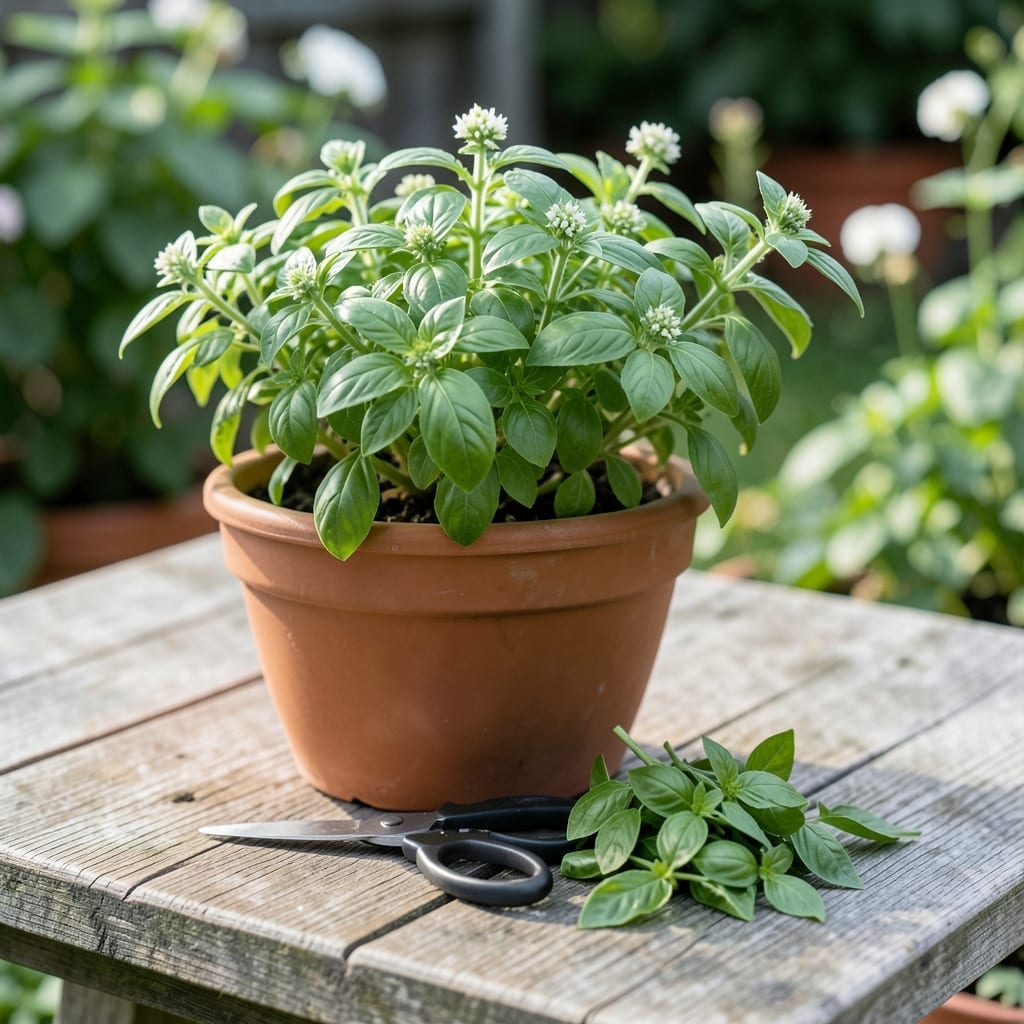
Fresh basil shines in Italian dishes like pesto, Caprese salad, and pasta sauces. It also enhances soups, pizza, and cocktails with its aromatic, slightly sweet flavor.
I love how this herb transforms simple ingredients into vibrant meals. The key is adding it at the right moment—toss fresh leaves into hot pasta at the last second or muddle them into drinks for a bright finish. Its versatility extends beyond savory dishes too, as it pairs surprisingly well with summer fruits like strawberries in desserts. ✨
What makes it special is the way its flavor changes with heat, becoming more mellow when cooked but losing some of its punch if overcooked. 🔥
💡 In This Article
The volatile oils in basil are most potent when raw, which is why it’s best added at the end of cooking. Heat breaks down these compounds, so tossing chopped leaves into a simmering tomato sauce during the last 2-3 minutes preserves its bright, peppery notes.
This is especially true for delicate dishes like margherita pizza, where the herb’s freshness contrasts the melted cheese. 🔥
For maximum impact, tear basil by hand instead of chopping with a knife. This prevents bruising the leaves, which can release bitter enzymes. The ideal ratio for pesto is 2 cups fresh basil to 1/3 cup olive oil, creating a smooth paste that clings perfectly to pasta or bruschetta.
The emulsification happens because the oils in basil naturally bind with fat. ✨
Basil’s sweetness pairs beautifully with acidic ingredients like tomatoes and vinegar. In a Caprese salad, the herb bridges the gap between creamy mozzarella and tart tomatoes, while its aroma cuts through the richness. For cocktails, muddle 4-5 leaves with lime and simple syrup—the oils infuse the drink within 30 seconds of gentle pressure. 💫
When cooking with basil, remember that dried versions lack the same vibrancy. The drying process reduces the volatile oil content by up to 60%, which is why fresh leaves are non-negotiable for dishes where basil is the star.
For cooked applications like soups, add fresh basil only after removing from heat to maintain its color and flavor. ⚡
For cold dishes, basil can be infused into liquids like olive oil or vinegar. Simply combine 1 cup leaves with 2 cups warm oil and let steep for 24-48 hours in a cool, dark place. The result is a fragrant oil perfect for drizzling over grilled vegetables or fresh bread. 🌟
Dried basil works in cooked dishes but lacks fresh basil’s bright flavor. Use 1/3 the amount since drying concentrates the oils. It’s best for soups or stews, but always use fresh for pesto or salads.
Trim stems and place in a glass of water at room temperature, like a bouquet. Cover loosely with a bag and change water every 2 days. This keeps it fresh for up to 1 week.
Tear leaves by hand instead of chopping with a knife. This prevents releasing bitter enzymes. For pesto, pulse in a food processor with oil to avoid overworking.
Yes! Its sweet, aromatic notes pair well with fruits like strawberries or peaches. Try infusing basil into simple syrup for cocktails or desserts.
Cold temperatures damage the leaves. Store basil at room temperature, not in the fridge, to maintain its vibrant color and flavor.