
Beautiful Plants For Your Interior
Beautiful Plants For Your Interior
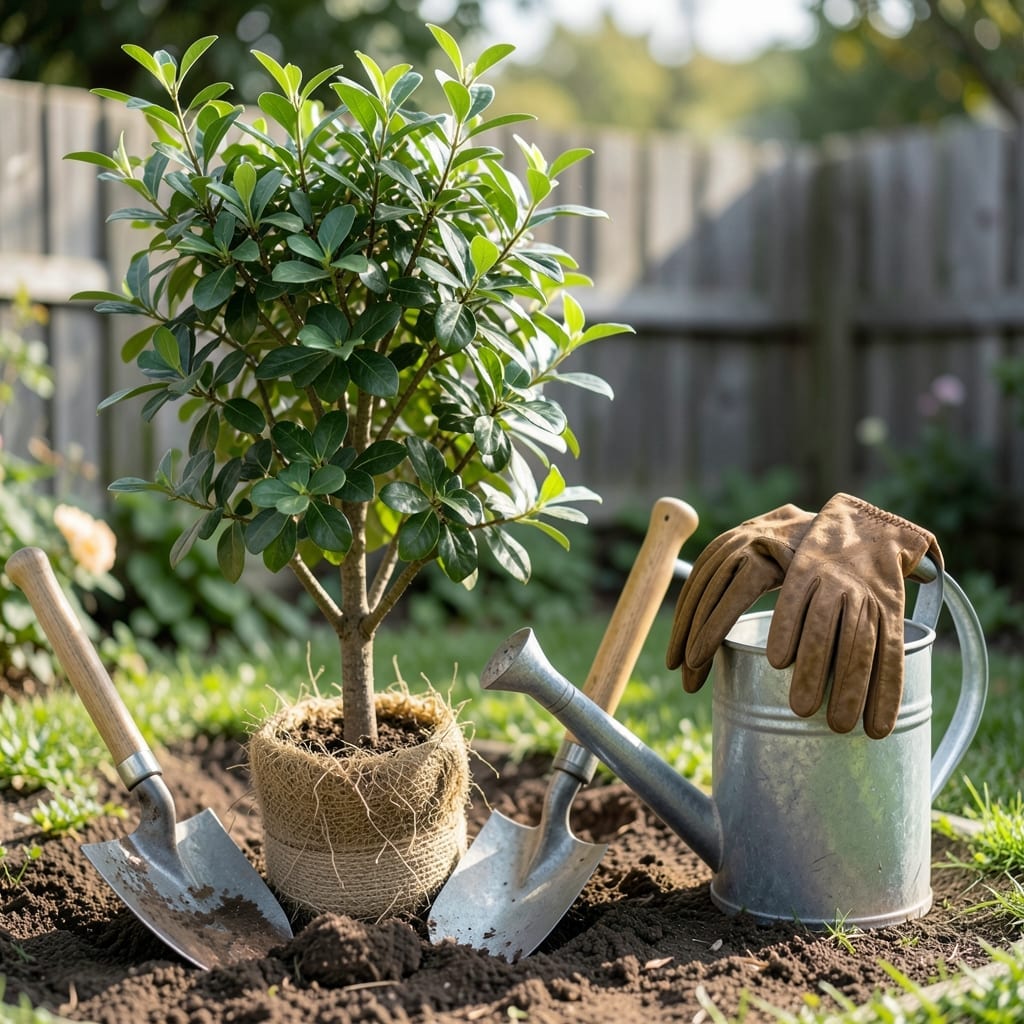
Transplanting Shrubs And Bushes at the right time can make or break your garden’s success. I’ve seen too many gardeners lose their prized plants simply because they moved them during the wrong season.
The 🌿 key is working with nature’s rhythm, not against it. When you align your efforts with the plant’s natural dormancy periods, you give it the best chance to thrive in its new home.
Whether you’re in USDA Zone 6 or another region, timing matters just as much as technique. Early spring or fall provides the ideal conditions for minimal stress and maximum root establishment.
Discover how to pick the perfect window and set your Shrubs And Bushes up for long-term success. Your garden will thank you.


Timing your shrub transplanting right is crucial for minimal stress and strong root growth. I’ve found that early spring and fall are the safest windows for most regions.
In cold climates, aim for early spring just as the ground thaws but before new growth starts. This gives roots time to settle before summer heat hits.
| Climate Zone | Best Transplant Time | Key Advantage |
|---|---|---|
| USDA 1-3 | Early Spring | Avoids frost damage |
| USDA 4-6 | Spring or Fall | Moderate temperatures |
| USDA 7-9 | Fall or Early Winter | Cooler soil, less stress |
| USDA 10-11 | Late Fall to Winter | Avoids summer drought |
For -warmer zones like USDA 7-9, I recommend fall transplanting to avoid summer heat stress. The soil stays warm enough for root growth but cool enough to prevent shock.
In mild climates like USDA 10-11, late fall or even winter works well. The cooler temps reduce transpiration stress on the shrub.
If you’re in USDA 4-6, you’ve got flexibility—spring or fall both work, but I prefer early fall for most shrubs. This gives them 6-8 weeks to establish before frost.
Evergreen shrubs often do better with spring transplanting in these zones. They need that full growing season to recover before winter.
For deciduous shrubs, fall is ideal because they’re entering dormancy. This means less energy is spent on leaves, and more on root establishment.
Always check your local frost dates. I transplant at least 4-6 weeks before the first frost in fall or after the last frost in spring.
Remember, soil moisture is key during this period. I water deeply the day before transplanting and keep the new location consistently moist for the first month.
And don’t forget to mulch after planting—it helps retain moisture and regulate soil temperature as your shrub adjusts. 🌿
Transplanting shrubs and bushes successfully starts with timing. I always aim for early spring or fall when plants are dormant and stress is minimal. This gives roots a chance to settle before extreme weather hits. 🌿
Before you dig, water deeply the day before to reduce root shock. Use a sharp spade to cut a wide circle around the base, preserving as much of the root ball as possible. The larger the root system, the faster your shrub will recover. 🌱
After planting, I recommend staking tall shrubs to prevent wind damage while roots establish. Keep the soil consistently moist but not soggy for the first 2-3 weeks. This is critical for root recovery. ✂️
Monitor your transplanted shrubs for wilted leaves or yellowing foliage, which may indicate stress. If you notice these signs, provide temporary shade and increase watering slightly. Most shrubs bounce back within 4-6 weeks. 🌳
For evergreen shrubs, I’ve found early fall works best as it allows roots to grow before winter. Deciduous shrubs are more flexible and can often handle spring or fall transplanting with equal success.
Avoid transplanting during summer heat or winter freeze. These extreme conditions put unnecessary stress on plants. The ideal soil temperature for root growth is between 50-60°F.