
Beautiful Plants For Your Interior
Beautiful Plants For Your Interior
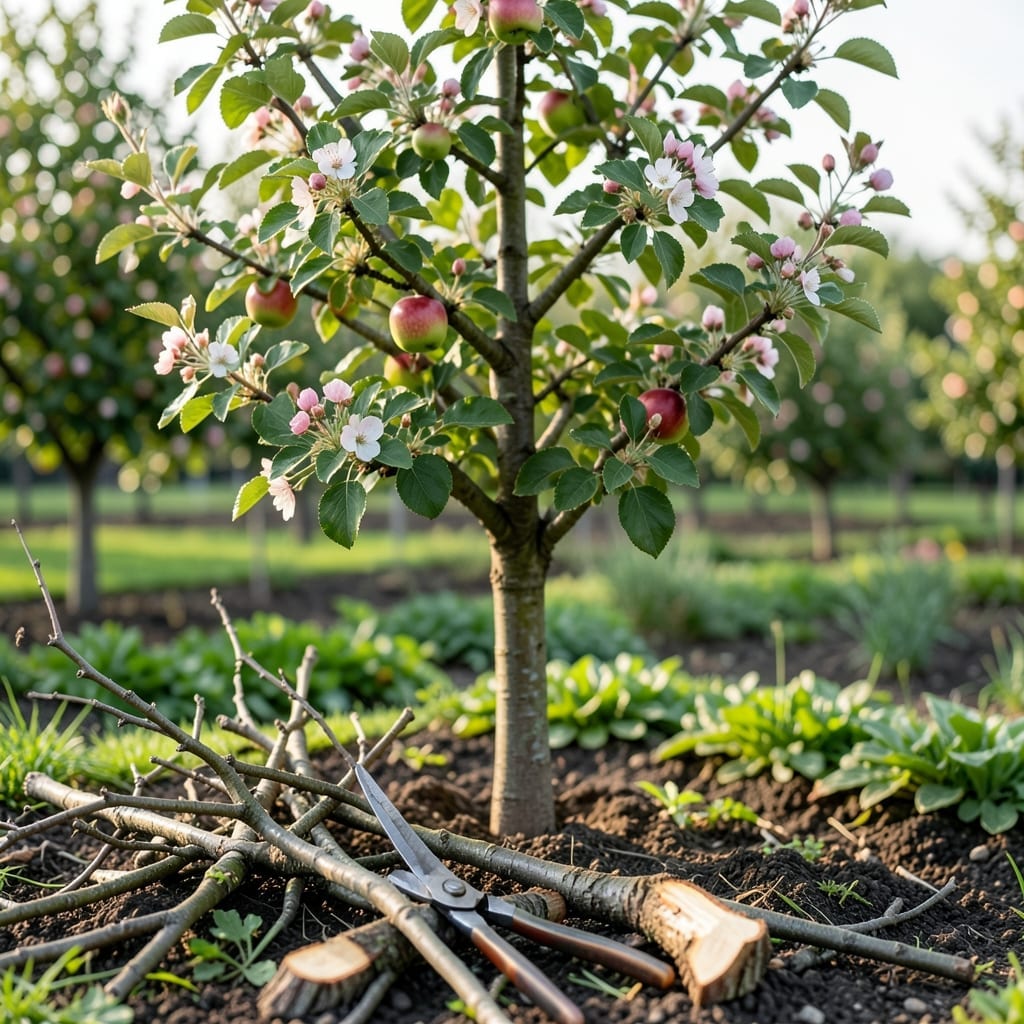
Pruning your 🍎 Apple Tree at the right time can mean the difference between a bountiful harvest and a struggling tree. It’s not just about cutting back branches—it’s about giving your tree the best chance to thrive.
Timing is everything when it comes to promoting healthy growth and fruit production. Prune too early or too late, and you risk stressing the tree or missing out on its full potential.
Let me walk you through when and why late winter is the ideal window for this essential task. Your Apple Tree will thank you for it.
Pruning your apple trees in late winter sets them up for success. During this dormant period, the tree conserves energy, making it the perfect time to shape and remove unwanted branches without stressing the plant.
I always aim for 4-6 weeks before bud break, typically in February or early March. This timing allows the tree to heal before new growth starts, reducing the risk of disease and pests entering through fresh cuts.
| Factor | Late Winter Advantage |
|---|---|
| Dormancy | Tree is inactive, reducing stress from cuts |
| Disease Risk | Fewer active pathogens to infect fresh wounds |
| Healing Time | Cuts callus over before spring growth begins |
| Energy Focus | Tree directs resources to new growth, not repair |
Another key benefit is reduced sap loss. In late winter, the tree’s sap isn’t actively flowing, so pruning won’t deplete its energy reserves. This is crucial for maintaining vigor during the upcoming growing season.
I’ve found that pruning during dry, frost-free days works best. Avoid pruning on wet or freezing days, as moisture can slow healing, and extreme cold can damage exposed wood.
Late winter pruning also gives you better visibility of the tree’s structure. Without leaves, it’s easier to spot dead, diseased, or crossing branches that need removal for optimal air circulation and sunlight penetration.
For young apple trees, focus on establishing a strong framework. Remove any competing leaders and shape the tree to encourage a balanced, open center. This early training pays off with stronger growth and higher fruit yields in future years.
If you’re in a region with harsh winters, wait until the coldest part of winter has passed. In milder climates, you can start pruning as early as late January. Always check your local frost dates and weather forecast.
Remember, the goal is to remove no more than 25% of the tree’s canopy in a single year. Over-pruning can weaken the tree and reduce fruit production. When in doubt, make small, strategic cuts rather than large, drastic ones.
Finally, always use clean, sharp tools to make smooth cuts. This minimizes damage and helps the tree heal faster. I recommend using bypass pruners for smaller branches and a pruning saw for thicker ones. ✂️
While late winter is ideal, there are times when pruning apple trees can do more harm than good. I’ve learned that spring blooming is a critical period to avoid trimming.
During spring bloom, the tree is using all its energy to produce flowers, which will become fruit. Pruning at this time can reduce your harvest significantly.
⚠️ Avoid Pruning: Spring blooming (March-April) can remove flower buds, drastically reducing your apple yield. Wait until after harvest for any corrective pruning.
Another period to steer clear of is summer heat stress. When temperatures soar, your tree is already under stress from the heat. Pruning during this time can weaken the tree and make it more susceptible to sunburn and pest infestations.
Fall pruning might seem like a good idea to prepare for winter, but it can actually leave your tree vulnerable. Fresh cuts in fall have less time to heal before cold weather sets in, increasing the risk of winter damage and disease.
I also avoid pruning during wet seasons or right after heavy rains. Moisture can slow the healing process and create perfect conditions for fungal infections to take hold in the fresh cuts.
If you must prune outside the ideal late winter window, aim for dry, mild days and use clean, sharp tools to minimize damage. Always remember that light pruning is better than heavy pruning during non-optimal times.
By avoiding these high-risk periods, you’ll give your apple tree the best chance to thrive and produce a bountiful harvest year after year. ✂️