
Beautiful Plants For Your Interior
Beautiful Plants For Your Interior
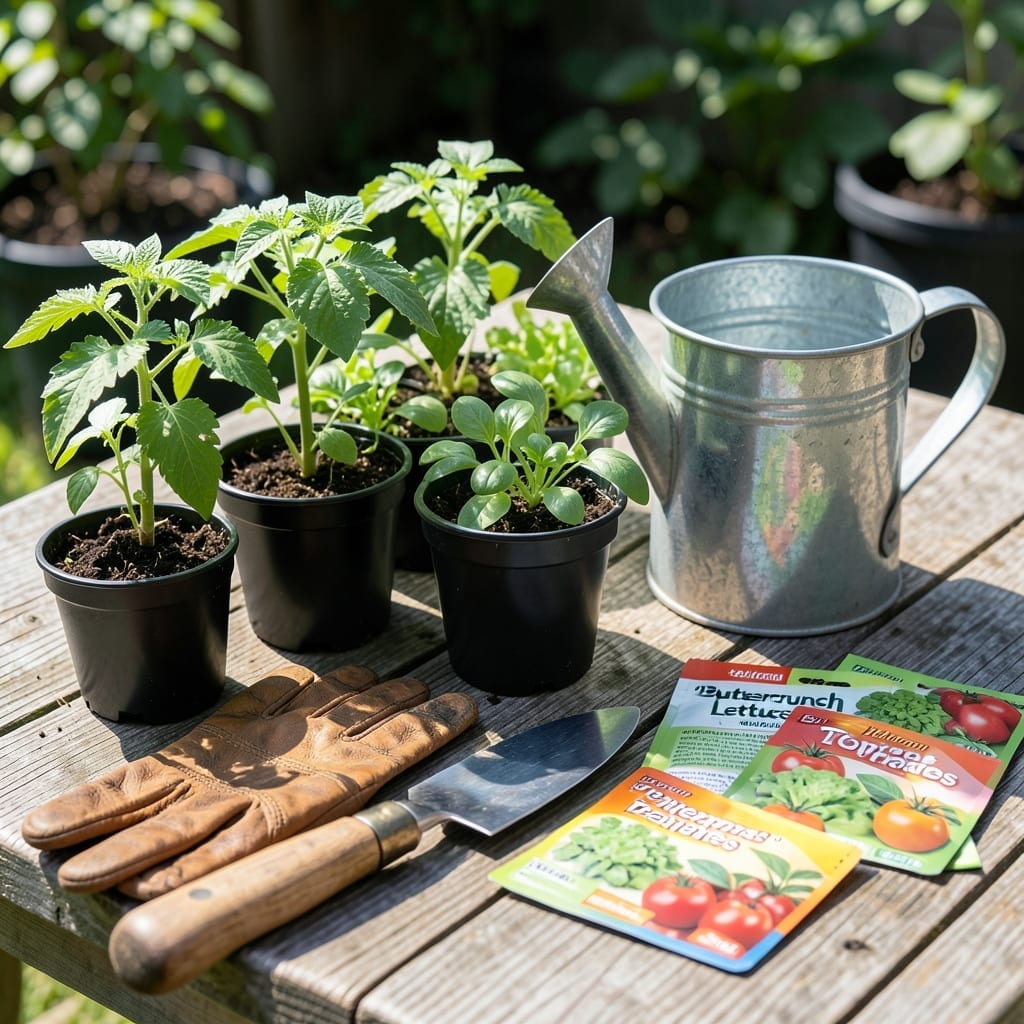
Timing is everything when it comes to your 🥕 Vegetable Garden—plant too early or too late, and you risk poor results. Getting this right can make or break your harvest.
I’ve seen firsthand how the right schedule transforms a struggling patch into a thriving garden. The difference comes down to understanding your local climate and soil conditions.
Discover how to align your planting with nature’s rhythm for the best outcomes. Whether you’re in zone 6 or elsewhere, the principles remain the same.
Let me walk you through the seasonal calendar that will help you maximize your yield. It’s easier than you might think to get this right.


Getting your vegetable garden timing right means understanding your USDA hardiness zone and local frost dates. These factors determine when your soil is warm enough for seeds to germinate properly.
I always check my last frost date before planting—this is the magic number that tells me when it’s safe to put warm-season crops like tomatoes and peppers in the ground.
| Zone | Cool-Season Start | Warm-Season Start | Last Frost |
|---|---|---|---|
| 3-4 | Mid-March | Late May | May 15 |
| 5-6 | Early March | Mid-April | April 15 |
| 7-8 | February | Early March | March 15 |
| 9-10 | January | February | February 15 |
For cool-season vegetables like lettuce, spinach, and peas, I plant them 4-6 weeks before my last frost date. These hardy plants can even tolerate light frosts.
But warm-season crops such as cucumbers, beans, and squash need soil temperatures of at least 60°F. I use a soil thermometer to check this—it’s more reliable than guessing.
In Zone 6, where I garden, my last frost date is around April 15. This means I can start cool-season crops in early March and warm-season varieties in mid-April.
Don’t forget about soil preparation. I always amend my beds with compost a few weeks before planting. This improves drainage and gives seedlings a nutrient boost.
For succession planting, I stagger my plantings of quick growers like radishes and lettuce every 2-3 weeks. This ensures a continuous harvest rather than one big glut.
If you’re in a warmer climate, you might have a second planting window in late summer for a fall harvest. I’ve had great success with this for crops like kale and carrots.
Remember, these are general guidelines. Always adjust based on your specific microclimate and current weather conditions. A surprising late frost can wipe out tender seedlings overnight.
Knowing whether your veggies are cool-season or warm-season is the first step to perfect timing. Cool-season crops like lettuce and spinach thrive in 50-70°F soil and can handle light frosts, making them ideal for early spring or fall planting.
On the other hand, warm-season vegetables such as tomatoes and peppers need soil temps above 60°F and won’t tolerate frost. These should go in the ground only after the last frost date when the soil has warmed up.
| Type | Examples | Planting Time | Soil Temp |
|---|---|---|---|
| Cool-Season | Lettuce, Peas, Radishes | Early Spring/Fall | 40-70°F |
| Warm-Season | Tomatoes, Peppers, Cucumbers | After Last Frost | 60-85°F |
For cool-season veggies, I start seeds indoors 4-6 weeks before the last frost or direct sow as soon as the ground is workable. These plants often bolt in heat, so timing is crucial for a good harvest.
Warm-season crops need extra patience. I wait until soil temps hit 60°F and nighttime air temps stay above 50°F. Using black plastic mulch can help warm the soil faster in cooler climates.
In areas with short growing seasons, I use transplants for warm-season veggies to get a head start. For cool-season crops, succession planting every 2-3 weeks ensures a continuous harvest.
Remember, microclimates matter! A south-facing wall or raised bed can create warmer spots, allowing me to plant warm-season crops a bit earlier than the general guidelines suggest.
Always check your local frost dates and use a soil thermometer for accuracy. This small investment can make a huge difference in your garden’s success 🌱