
Beautiful Plants For Your Interior
Beautiful Plants For Your Interior
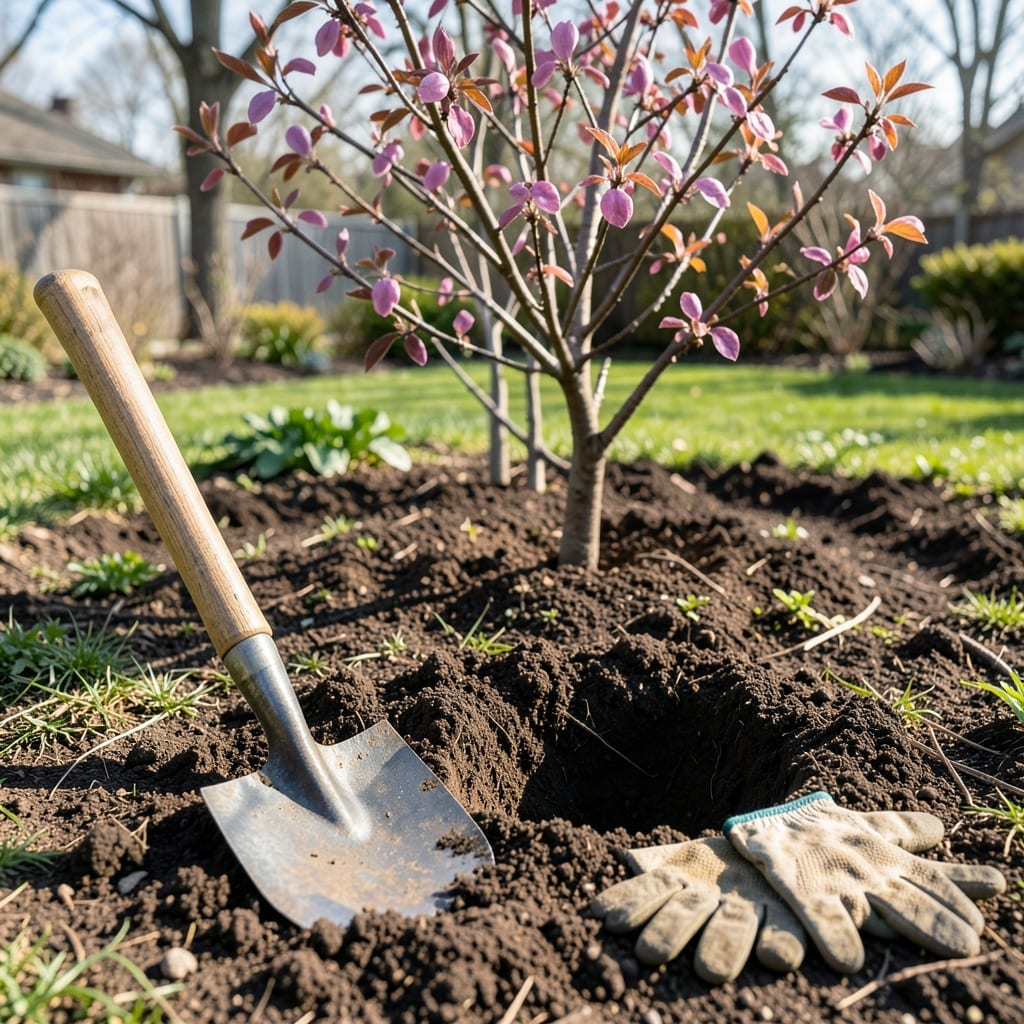
Timing is everything when planting a Redbud Tree—plant at the wrong moment and you risk stunted growth or even failure.
I’ve seen too many gardeners struggle because they missed the optimal window. The good news? With the right timing, your 🌳 Redbud Tree can thrive with vibrant blooms year after year.
Discover the ideal seasons to plant, whether it’s early spring or fall, and why these moments matter most. Your tree’s future starts with this simple but critical decision.
Let’s break down the best approach so you can plant with confidence and watch your Redbud Tree flourish.
I’ve found that timing your redbud tree planting can make or break its growth. The best windows are early spring or fall, when the weather is mild and stress on the tree is minimal. This gives roots time to establish before extreme heat or cold hits. 🌳
For most gardeners, March to April or October to November are ideal. These months avoid the summer heat and winter frost that can shock a new tree. Always check your USDA hardiness zone—redbuds thrive in zones 4-9. 🌿
| Planting Factor | Ideal Specification |
|---|---|
| Best Months | October-November, March-April |
| Soil Temperature | 50-60°F for root growth |
| Hardiness Zones | 4-9 |
| Sunlight Needs | Full sun to partial shade |
| Soil Type | Well-draining, moist |
In warmer climates like zone 9, I recommend fall planting to avoid the summer drought stress. The cooler temperatures and autumn rains help the tree settle in before winter dormancy. Just ensure you plant at least 4-6 weeks before the first frost. ✂️
For cooler regions in zones 4-6, early spring is often better. Plant as soon as the soil is workable—usually after the last frost date. This gives the redbud a full growing season to establish its root system before winter arrives.
Soil temperature is another critical factor I always check. 50-60°F is the sweet spot for root growth. Use a soil thermometer to verify conditions before planting. If the ground is still frozen or waterlogged, wait for better conditions.
The redbud’s adaptability makes it a favorite, but it still needs the right start. In drought-prone areas, fall planting allows the tree to develop deep roots before the dry summer months. In wet climates, ensure the site has good drainage to prevent root rot.
I’ve seen gardeners make the mistake of planting in peak summer or deep winter. Both can lead to transplant shock or poor establishment. Stick to the shoulder seasons for the best results, and your redbud will reward you with vibrant blooms for decades.
Don’t forget to consider your local microclimates. Urban areas, slopes, or spots near buildings can have slightly different conditions. Observe your garden’s specific patterns—sometimes, a sheltered spot can extend your planting window by a few weeks.
Finally, always water deeply after planting and mulch around the base to retain moisture. This simple step can significantly boost your redbud’s survival rate during its first critical months in the ground. 🌱
Planting a redbud tree correctly sets the stage for lifelong beauty and vibrant blooms. I’ve found that timing and technique go hand in hand for success.
Start by choosing a sunny to partially shaded spot with well-draining soil. This tree thrives in USDA zones 4-9, so check your local climate first.
After planting, give your redbud tree a deep watering to settle the soil. I recommend watering weekly for the first year to help roots establish.
Avoid overwatering—redbuds prefer moderate moisture but dislike soggy conditions. A 2-3 inch mulch layer helps maintain consistent soil moisture.
For best results, plant in early spring or fall when temperatures are mild. This reduces transplant shock and encourages strong root growth.
Finally, monitor your tree for the first few months. Look for new growth as a sign it’s adjusting well to its new home. 🌳