
Beautiful Plants For Your Interior
Beautiful Plants For Your Interior
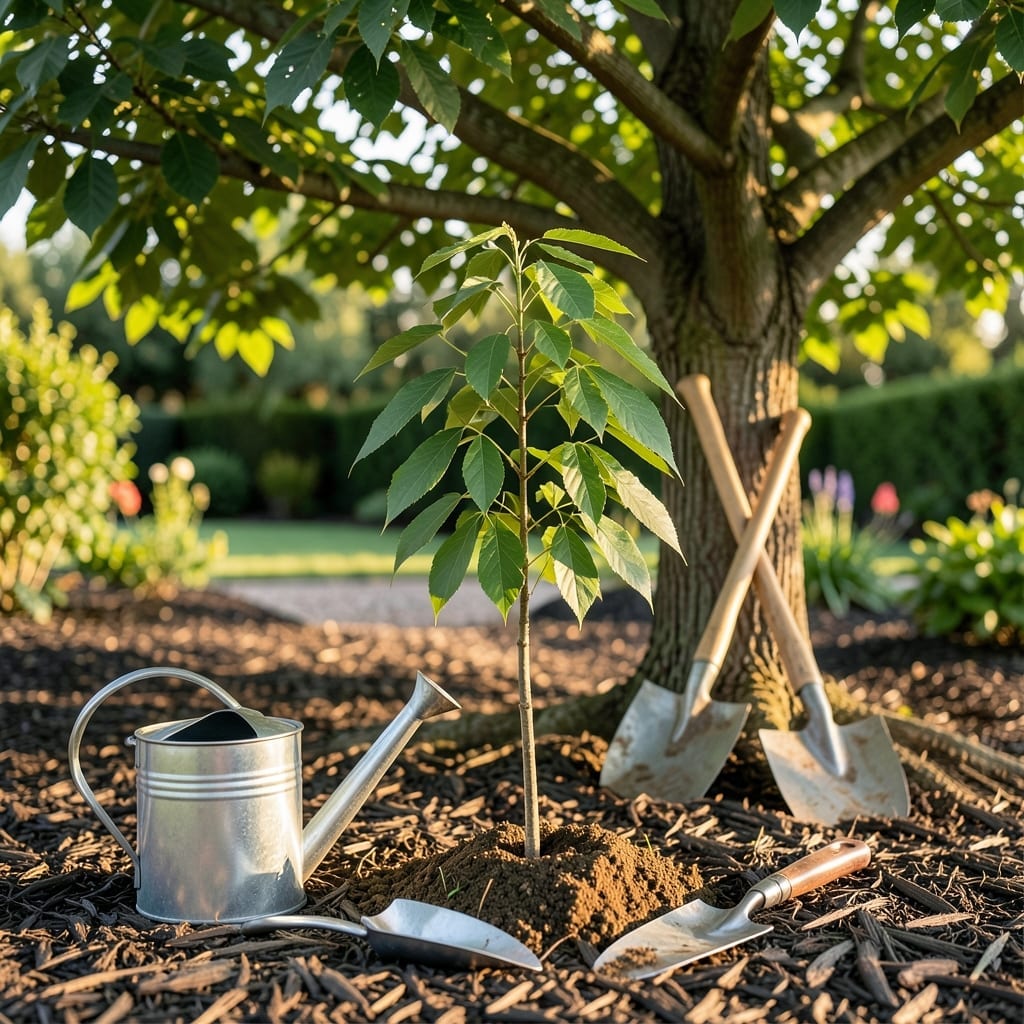
Timing is everything when it comes to giving your 🌰 Pecan Tree the best start in life. Plant too early or too late, and you risk stunting its growth for years to come.
In 6a, the window from February to April offers ideal conditions for root establishment before summer heat arrives. This period aligns perfectly with the tree’s natural growth cycle.
I’ve seen firsthand how planting during this season leads to stronger root systems and faster initial growth. The key is working with nature’s timeline, not against it.
Discover exactly why this timeframe works so well and how to prepare your soil for maximum success. Your future harvests will thank you.

Timing is everything when planting pecan trees. I’ve found that getting the season right ensures strong root systems and healthy growth for years to come. The best time varies by climate zone, but there are clear patterns to follow.
For most regions, late winter to early spring is ideal. This allows roots to establish before the summer heat kicks in. However, fall planting can work in warmer zones if done early enough.
| Climate Zone | Best Planting Time | Key Consideration |
|---|---|---|
| Zones 6-7 | February-April | Avoid late frost damage |
| Zones 8-9 | January-March | Plant before summer heat |
| Zones 10+ | December-February | Ensure cool soil for roots |
In cooler zones like 6-7, I recommend planting in early spring after the last frost. The soil temperature should be at least 50°F for optimal root growth. This timing helps avoid frost damage to young trees.
For warmer zones 8-9, late winter planting is often best. The trees can establish roots before the intense summer heat arrives. Just be sure to water deeply during the first year to help them settle in.
In the hottest regions like Zone 10, winter planting is key. The cooler temperatures reduce transplant shock and give roots time to grow before the scorching summer begins.
No matter your zone, always check the soil moisture before planting. Pecans prefer well-draining soil with a pH of 6.0-6.5. I’ve seen trees struggle in heavy clay, so amend the soil if needed.
If you’re planting bare-root trees, aim for late winter before bud break. For container-grown trees, you have more flexibility, but early spring is still ideal for most areas.
One thing I always stress: avoid planting during extreme heat or cold snaps. These conditions can stress the tree and hinder establishment. Patience pays off with pecans!
Finally, remember that local microclimates can affect timing. If your area has unique weather patterns, adjust accordingly. When in doubt, consult a local nursery for zone-specific advice. 🌳
I’ve found that late winter to early spring is the sweet spot for planting pecan trees in most climates. This timing allows roots to establish before the summer heat kicks in, giving your tree a head start. It also aligns perfectly with the tree’s natural growth cycle. ☀️
Planting during this window reduces transplant shock significantly. The soil is beginning to warm, but it’s not yet scorching, which helps the roots settle in comfortably. I always aim for February to April in most regions. 🌱
In my experience, bare-root pecan trees do especially well when planted in this timeframe. The dormancy period ensures they focus energy on root development rather than foliage. Just be sure to plant before bud break for the best results. ✂️
For those in warmer climates, like USDA zones 8-10, you can push the planting window a bit earlier. The key is avoiding extreme temperatures—either too cold or too hot—during the first few weeks after planting. 🌡️
I also recommend checking your local frost dates. Planting 2-3 weeks before the last frost gives the tree time to acclimate. Pair this timing with well-draining soil, and you’ll set your pecan tree up for long-term success. 🌿
Finally, remember that consistent watering is crucial during the first year. Even with perfect timing, a pecan tree needs about 1-2 inches of water weekly to thrive. This is especially true if spring rains are sparse in your area. 💧