
Beautiful Plants For Your Interior
Beautiful Plants For Your Interior
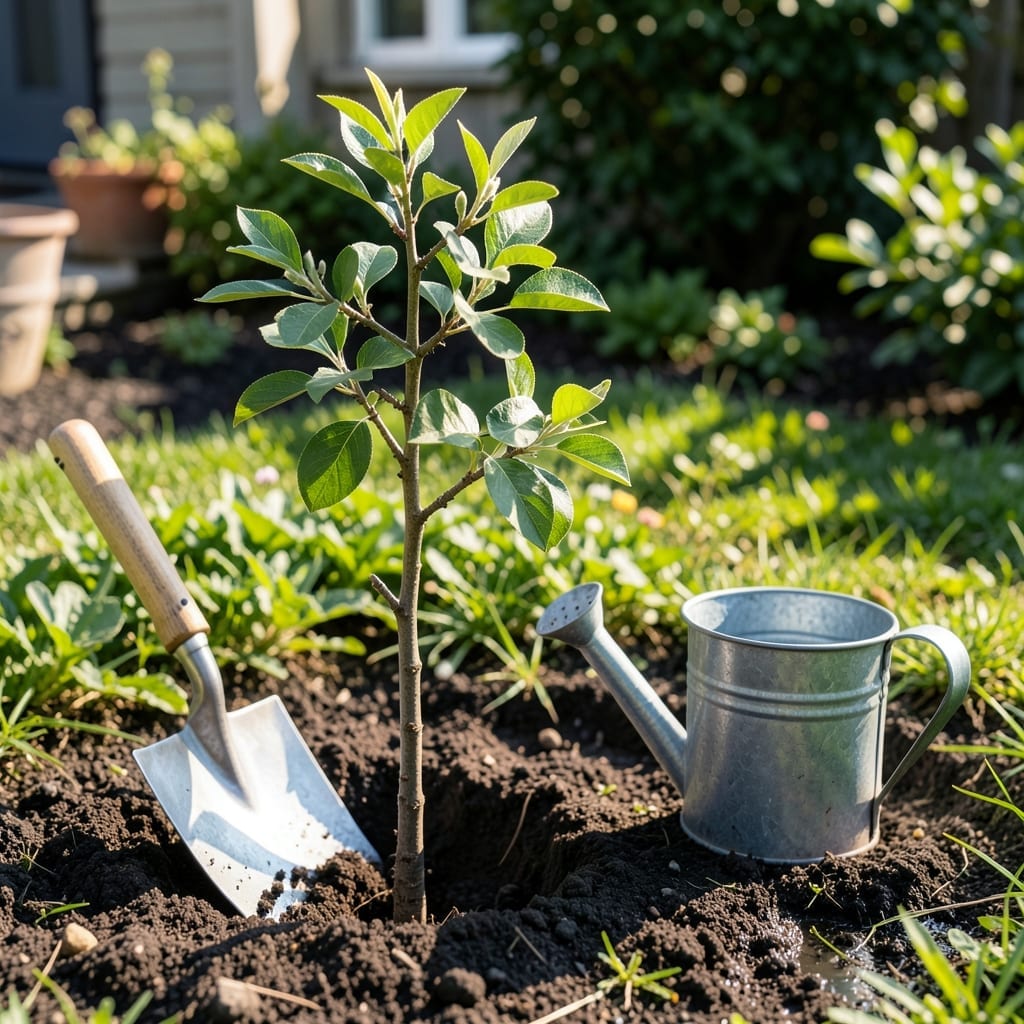
Planting fruit trees at the right time can mean the difference between a thriving orchard and years of struggle. Discover the seasonal sweet spots that give your 🍎 Fruit Tree the best start for healthy growth.
Timing is everything when it comes to establishing strong roots and ensuring long-term productivity. Whether you’re in zone 6 or another region, knowing when to plant is the key to success.
Let me walk you through the optimal windows and what to consider for your specific climate. You’ll learn how to set your trees up for a lifetime of bountiful harvests.

Timing your fruit tree planting correctly sets the stage for strong root development and future harvests. The best planting window varies significantly by your climate zone and tree type. 🌱
In cold climates, early spring or fall planting works best, while warm regions often favor late fall through winter. I’ll help you navigate these variations for optimal success with your orchard. 🌳
| Climate Zone | Bare-Root Planting | Container-Grown |
|---|---|---|
| Cold (Zones 3-5) | Early spring, after last frost | Spring or early fall |
| Temperate (Zones 6-8) | Late winter to early spring | Fall or early spring |
| Warm (Zones 9-11) | November to February | Year-round with proper care |
For bare-root trees, the dormant season is ideal because it reduces transplant shock. I recommend planting these 4-6 weeks before your last expected frost date. This gives roots time to establish before new growth begins. 🌿
In temperate zones like zone 6, you have more flexibility. Both spring and fall planting can work well, but I’ve found that spring planting often gives trees a full growing season to establish. Just be sure to water consistently during dry spells.
Container-grown trees offer more flexibility since they’re not dormant. These can be planted anytime during the growing season, but I always advise avoiding extreme heat or cold periods for best results. The root ball needs time to adjust to its new home.
For warm climates, the cool months from November to February are perfect. This allows trees to establish roots before the hot summer arrives. I’ve seen citrus trees thrive when planted during this window in zones 9-11. ☀️
Remember that soil temperature is just as important as air temperature. I always check that the soil is workable and not frozen or waterlogged before planting. A simple soil thermometer can be your best friend here.
In cold climates, fall planting should be done at least 4-6 weeks before the first frost. This gives the tree enough time to establish roots before winter dormancy. I’ve had great success with apple and pear trees planted in early fall in zone 4.
No matter your zone, always consider your specific microclimate. A south-facing slope might be warmer than your general zone suggests. I use a soil test to check pH and nutrient levels before planting any fruit tree. 🌱
Choosing between spring and fall for planting your fruit trees depends on your climate, tree type, and local conditions. Each season offers unique advantages that can impact root establishment and growth. 🌱
I’ve found that spring planting allows trees to establish roots during the growing season, while fall planting gives them a head start before winter dormancy. Let’s compare these approaches for optimal results. 🌳
In my experience, spring planting works best for bare-root trees in colder zones. The warmer soil helps roots establish quickly, and you can monitor growth throughout the season. However, I always mulch heavily to retain moisture. ✂️
For container-grown trees, fall can be ideal in temperate zones. The cooler weather reduces transplant shock, and roots can grow until the ground freezes. I’ve had great success with apple trees planted in early fall in zone 6.
Watering needs differ between seasons. Spring-planted trees often need more frequent watering to combat heat, while fall-planted trees benefit from natural rainfall. Always check soil moisture 1-2 inches deep before watering. 💧
Consider your local frost dates carefully. In cold climates, I recommend planting at least 4-6 weeks before the first frost. This gives trees enough time to establish roots before winter sets in. A soil thermometer can help you time it perfectly.