
Beautiful Plants For Your Interior
Beautiful Plants For Your Interior
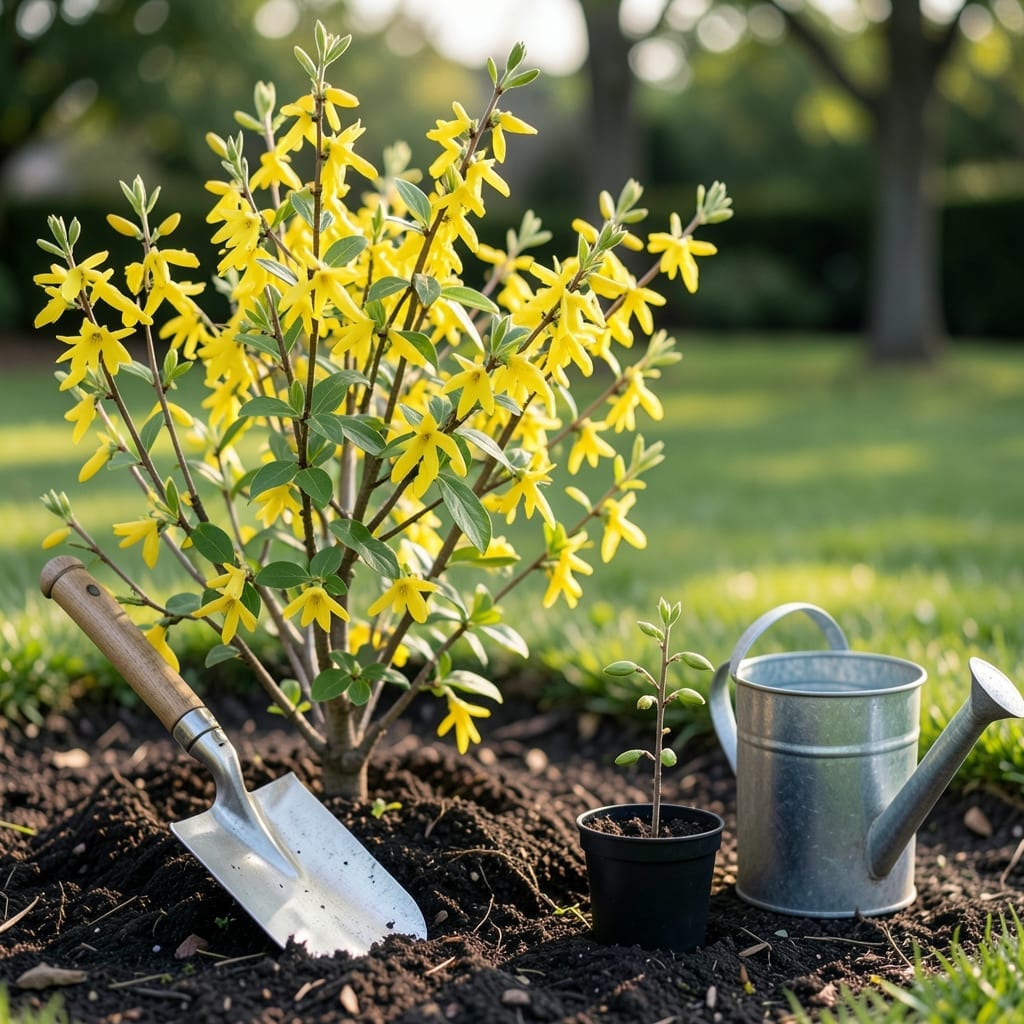
Timing is everything when planting Forsythia—get it right, and you’ll be rewarded with a burst of golden blooms each spring. Plant at the wrong time, and your shrub may struggle to establish roots or miss its flowering window.
I’ve seen many gardeners make the mistake of waiting until summer, only to watch their plants wilt in the heat. The smart move is to think ahead and let nature do the work for you.
Whether you’re in zone 5-8 or just starting out, knowing the best window sets you up for success. And trust me, the payoff is worth it when those bright yellow flowers light up your yard.
Let me walk you through exactly when and how to plant Forsythia so you can enjoy those stunning spring displays year after year.

The best time to plant forsythia is in early fall, about 6-8 weeks before your first frost. This gives roots time to establish before winter dormancy, ensuring a strong start for spring blooming.
In USDA zones 5-8, September through early November is ideal. The cooler temps reduce stress while soil stays warm enough for root growth. Spring planting works too, but fall is my top recommendation.
| Season | Best Time | Notes |
|---|---|---|
| Fall | September-November | Ideal for root establishment |
| Spring | March-April | After last frost date |
| Avoid | Summer | Heat stress on new plants |
For northern climates (zone 5-6), aim for late September to early October. This gives roots 4-6 weeks to grow before the ground freezes. In warmer zones 7-8, you can plant through November.
I’ve found that morning planting reduces transplant shock. The cooler part of the day helps the shrub adjust. Always water deeply after planting to settle the soil around the roots.
Soil temperature matters more than air temperature. Use a soil thermometer to check—50-60°F is perfect for root growth. If your soil is too cold, wait for a warmer spell.
If you miss the fall window, early spring is your next best option. Plant as soon as the soil is workable, typically March or April. Just avoid planting during active growth periods.
For container-grown forsythia, you have more flexibility. These can be planted anytime during the growing season if you provide extra watering and shade from afternoon heat.
Remember that forsythia blooms on old wood. Fall planting ensures the shrub establishes enough growth to produce those iconic yellow flowers the following spring.
Finally, check your local frost dates and plan accordingly. A little research now means a more vibrant display later. Trust me, your future self will thank you when that first burst of color appears.
🌼Planting Forsythia in early fall gives roots time to establish before winter. I always aim for September or October in USDA zones 5-8 to avoid extreme heat or frost.
This timing allows the shrub to focus on root growth rather than foliage, setting the stage for vibrant spring blooms. Plus, cooler temps reduce stress on new plants. 🌱
I’ve found that spacing plants 4-6 feet apart prevents overcrowding as they mature. Forsythia grows quickly, so give it room to thrive without competition.
After planting, keep soil consistently moist for the first few weeks. Once established, Forsythia is fairly drought-tolerant, but don’t let it dry out completely.
Avoid heavy pruning right after planting—wait until after the first bloom in spring. This ensures you don’t accidentally remove flower buds forming for next year. ✂️
With the right timing and care, your Forsythia will reward you with cheerful yellow flowers that signal spring’s arrival. Trust me, it’s worth the effort! 🌼