
Beautiful Plants For Your Interior
Beautiful Plants For Your Interior
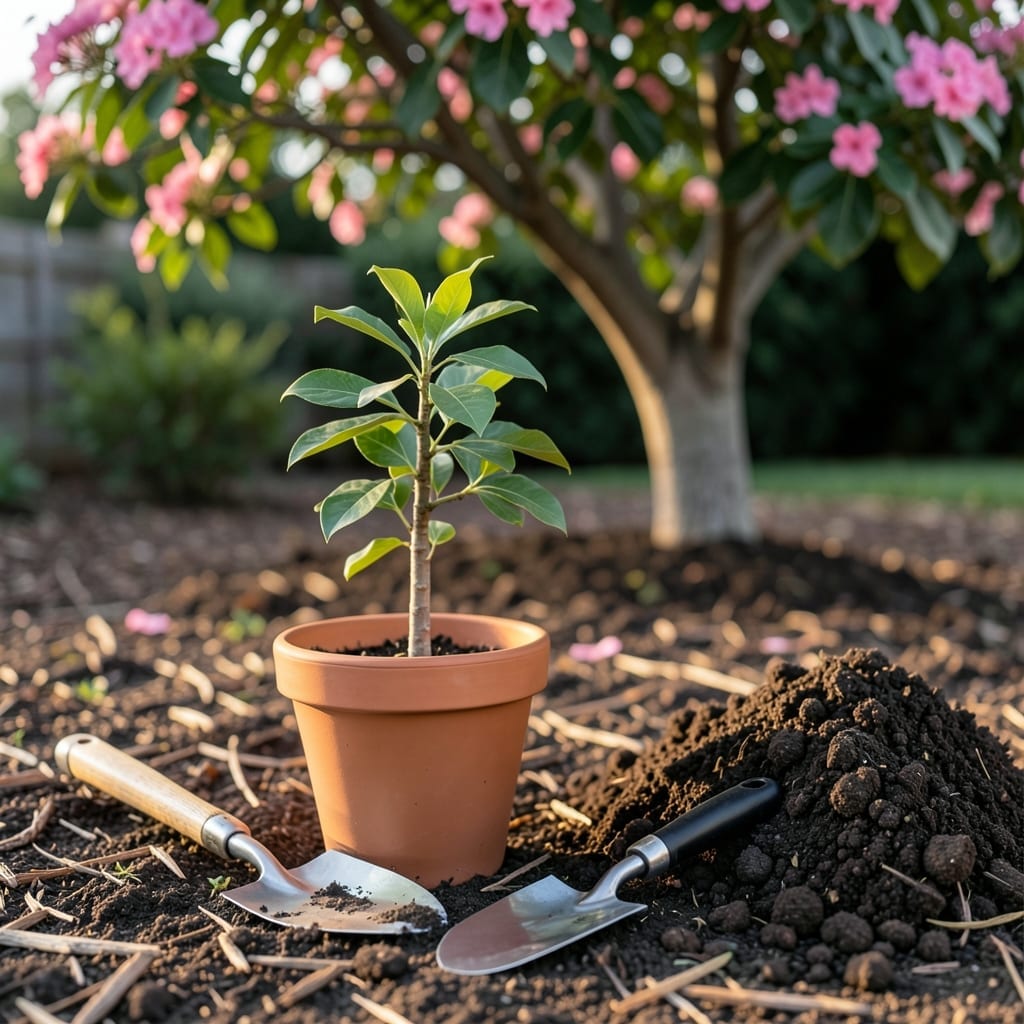
Timing is everything when planting Crape Myrtles—choose the right season, and you’ll be rewarded with explosive summer blooms and a tree that thrives for decades.
Plant at the wrong time, and you risk stunted growth or even failure. The 🌳 Crape Myrtle is a resilient beauty, but it needs the perfect window to establish strong roots.
Discover the ideal planting conditions and how to set your tree up for success from day one. Let’s dig in.
The best time to plant crape myrtle depends heavily on your USDA hardiness zone. In warmer zones 7-11, I recommend planting in early spring or early fall to avoid extreme heat. This gives roots time to establish before summer or winter stress.
For cooler zones 6-7, stick to late spring after the last frost. The soil needs to warm to at least 60°F for optimal root growth. Planting too early risks frost damage to tender new growth.
| Climate Zone | Best Planting Time | Key Consideration |
|---|---|---|
| Zones 7-11 | Early Spring or Early Fall | Avoid summer heat stress |
| Zones 6-7 | Late Spring | After last frost date |
| All Zones | April-May | Ideal soil temperature |
In my experience, spring planting often gives the best results. The combination of warming soil and moderate temperatures creates perfect conditions for root establishment before summer’s heat arrives.
For fall planting, aim for at least 6-8 weeks before the first frost. This gives your crape myrtle enough time to develop a strong root system before winter dormancy. I’ve seen fall-planted trees struggle if planted too late.
Soil temperature is more important than air temperature. Use a soil thermometer to check – you want consistent 60°F+ readings at a 4-inch depth. This ensures active root growth from day one.
In hot climates like zones 9-11, consider container-grown plants year-round, but avoid planting during peak summer. The stress of 100°F+ temperatures can shock even established plants.
Remember that dwarf varieties may establish faster than standard sizes. I’ve found ‘Delta Jazz’ and ‘Black Diamond’ series particularly forgiving when planted in marginal conditions.
Water needs are critical in the first year. I recommend deep watering 2-3 times weekly for the first month, then tapering to weekly. This encourages deep root growth, which is key for drought tolerance later.
Lastly, always mulch heavily after planting. A 3-4 inch layer of organic mulch helps maintain soil moisture and temperature, giving your new crape myrtle the best start possible 🌳
Once you’ve chosen the best time to plant crape myrtle, proper technique ensures success. I always start with site selection—pick a spot with full sun and well-draining soil for vibrant blooms.
Test your soil’s drainage by digging a 12-inch hole, filling it with water, and checking if it drains within 2-3 hours. If not, amend with compost or choose a raised bed.
I can’t stress enough how critical planting depth is. The root flare (where roots meet trunk) must stay above soil level. Burying it too deep leads to girdling roots and poor growth.
For container-grown crape myrtles, gently tease the outer roots if they’re circling. This encourages outward growth into the surrounding soil, preventing future root binding issues.
After planting, create a watering basin around the tree to help contain water. I recommend 5 gallons per inch of trunk diameter at planting, then deep watering 2-3 times weekly for the first month.
Finally, stake only if necessary. Most crape myrtles establish better without staking, but use flexible ties if your area gets strong winds. Remove stakes after 1 year to prevent trunk damage 🌳